
A grinder may be manufactured as a standardized accessory, but the way it is presented can make the finished product feel completely different in the retail market. Two products can share similar basic specifications while creating very different impressions because of their packaging, branding, photography, naming, and overall presentation. For businesses purchasing grinder wholesale, this creates an important opportunity to use custom packaging as part of a broader private-label strategy.
Packaging is often treated as the final step after product development. In reality, it can influence how buyers perceive the product before they ever handle it. A well-planned package can communicate brand identity, organize product information, protect the item, support retail display, and create a consistent visual connection with other accessories in the same collection.
For emerging smoking accessory brands, this can be especially valuable. Developing a completely unique product from the ground up may require significant investment and production resources. Custom packaging provides another way to differentiate a wholesale product while maintaining control over how the brand is presented.
A successful grinder wholesale packaging program therefore goes beyond printing a logo on a box. It connects product positioning, visual identity, information architecture, protection, retail presentation, and future brand development.
Packaging Is the First Physical Brand Contact
Before a customer uses a grinder, they may interact with its packaging first.
The package communicates whether the product belongs to a minimalist collection, a premium range, a colorful lifestyle brand, or a functional everyday accessory line.
This first impression is created through several elements working together.
Typography establishes tone.
Images explain the product.
Colors create recognition.
Materials influence perceived quality.
Product names create memorability.
Logo placement establishes ownership.
When these elements are coordinated, packaging becomes an extension of the product rather than simply a protective container.
For grinder wholesale buyers, this means packaging should be discussed during the branding stage instead of being left until the end of production.
Build Packaging Around a Clear Brand Identity
The first packaging decision should not be the box size or printing method.
It should be the brand identity.
A company should determine what visual characteristics need to remain consistent across its product range.
The logo may always occupy a particular position.
The brand may use a defined typography system.
Certain colors may represent the company.
Photography may follow a consistent style.
Product names may follow a recognizable structure.
These decisions create a framework that can later be applied to grinders, trays, glassware, storage products, smoking kits, and other accessories.
The objective is consistency without making every product look identical.
Use the Front Panel for Recognition
The primary packaging panel has limited space, so information should be prioritized carefully.
The brand name should be immediately visible.
The product name should be clear.
A concise visual element can communicate the product’s identity.
Too much information can weaken the presentation.
Too little information can make the package difficult to understand.
For a grinder wholesale product, the front panel should generally create quick recognition while secondary panels provide more detailed information.
This approach works particularly well in retail environments where customers may only glance at a package for a few seconds.
Turn the Back Panel Into a Product Information Tool
The back or side of the package provides additional space for useful information.
This area can explain product specifications, dimensions, materials, included components, care information, branding information, or other relevant details.
The goal is not to fill every available space.
Instead, information should be organized so customers can quickly find what they need.
A clean information hierarchy can also help retail employees answer common questions without opening the package.
For private-label brands, this makes packaging part of the sales process.
Tell a Simple Product Story
Brand storytelling does not need to be complicated.
A short statement can explain the idea behind the collection.
The story may focus on design philosophy, craftsmanship, brand inspiration, or the intended product experience.
The most useful stories are specific enough to feel authentic but short enough to work within the packaging format.
For grinder wholesale, a simple product story can also help differentiate a standardized product from competitors offering visually similar accessories.
The physical grinder may share common manufacturing characteristics with other products, but the brand presentation gives customers another reason to remember it.
Use Product Names to Create a Collection
A product name can become a long-term branding asset.
Instead of using only generic descriptions, a private-label brand can establish a naming system that connects multiple products.
A grinder may belong to a specific collection.
Different finishes can receive related names.
Future trays or storage products can use the same collection language.
This creates continuity.
When customers encounter another product from the same brand, the naming structure reinforces recognition.
For businesses building a grinder wholesale collection, product naming can therefore support both packaging and long-term catalog development.
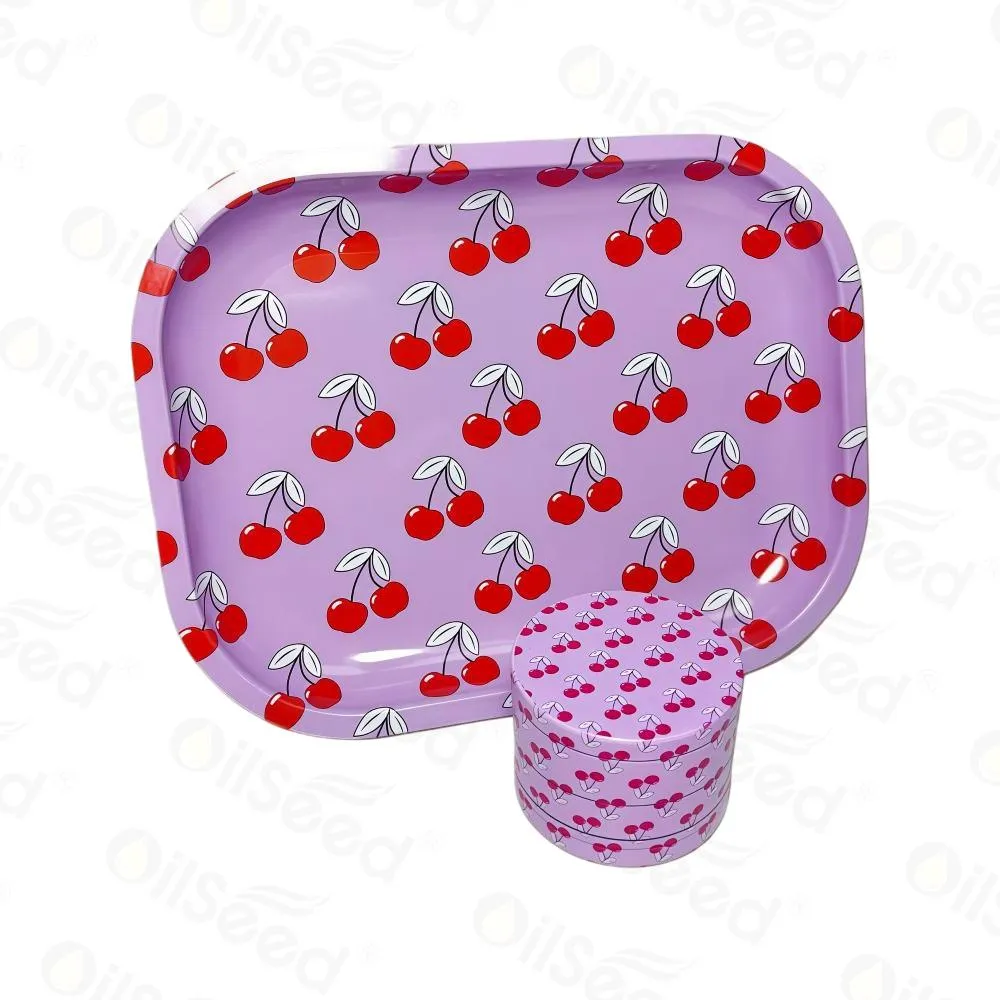
Make Packaging Work With Retail Shelves
Packaging must function in the environment where it will eventually be sold.
A package may need to stand vertically.
It may need to hang.
It may be displayed in a case.
It may sit alongside several variations.
It may be placed next to competing products.
These factors influence the appropriate packaging structure.
A visually attractive package that cannot be displayed efficiently may create unnecessary challenges for retailers.
Wholesale buyers should therefore consider the final retail environment before approving packaging specifications.
Protect the Product During Distribution
Branding is important, but packaging still has a fundamental physical function: protecting the product.
The packaging should account for handling during production, warehousing, transportation, distribution, and retail stocking.
This becomes especially important when products are shipped internationally.
A damaged package can affect both the product and the brand impression.
Therefore, structural packaging decisions should be evaluated alongside visual design.
The package needs to look appropriate and perform appropriately.
Coordinate Inner and Outer Packaging
A private-label program may involve several packaging layers.
The grinder may have an individual package.
Multiple units may be placed into an inner carton.
Several cartons may then be packed into a master shipping carton.
Each layer has a different purpose.
The consumer-facing package communicates the brand.
The inner packaging supports organization.
The master carton supports logistics.
For grinder wholesale orders, coordinating these levels can make warehouse handling easier while keeping the customer-facing experience consistent.
Use Consistent Packaging Across Product Categories
Once a brand develops a successful grinder package, the visual system can be extended to other accessories.
A rolling tray can use the same typography.
A storage product can share the same logo placement.
A smoking kit can use similar graphics.
Glassware packaging can adopt related colors.
This creates a recognizable brand architecture.
The products remain different, but the packaging communicates that they belong to the same company.
For private-label businesses, this can be more valuable over time than designing every package independently.
Create Premium Packaging Without Unnecessary Complexity
Premium appearance does not always require elaborate packaging.
Sometimes the strongest result comes from restraint.
Clean typography.
Controlled colors.
High-quality printing.
Accurate product photography.
Well-organized information.
Consistent branding.
These elements can create a professional impression without adding unnecessary structural complexity.
For wholesale buyers, this can also make packaging easier to scale across larger product collections.
Consider Different Packaging Levels
A brand may need more than one packaging style.
A core grinder collection may use simple retail packaging.
A premium collection may use a more refined structure.
A limited release may use special graphics.
A distributor-focused product may require more practical packaging.
This allows the same brand to serve different commercial purposes without abandoning its overall identity.
For grinder wholesale programs, packaging can therefore become a flexible system rather than one permanent template.
Coordinate Packaging With Product Finishes
The relationship between the physical product and its package is important.
A matte grinder may require a different visual treatment from a highly reflective finish.
A brightly colored product may work better with restrained packaging.
A minimalist product may benefit from photography that emphasizes its form.
The package should support the product rather than compete with it.
This is why packaging approval should ideally happen after the product’s finish, color, and branding direction have been clearly established.
Prepare Accurate Product Photography
Photography is part of packaging development as well as digital marketing.
The product shown on the package should accurately represent what the customer will receive.
Colors should be presented as consistently as practical.
Branding should appear in the correct location.
Product proportions should not be misleading.
Different variations should have appropriate images.
For grinder wholesale, accurate photography becomes particularly useful when the same visual assets are later reused on product pages, wholesale catalogs, distributor presentations, and social media.
One well-prepared asset set can support multiple channels.
Design Packaging for Private Label Flexibility
Private-label brands often change products over time.
New colors may be introduced.
A logo may be updated.
A collection may expand.
A product may be replaced.
Packaging should therefore be flexible enough to support future changes.
This does not mean creating generic packaging with no identity.
Instead, the brand can establish permanent elements while leaving controlled areas for product-specific information.
This makes future updates easier without requiring the entire packaging architecture to be redesigned.
Keep Manufacturing Communication Precise
Custom packaging creates another layer of production communication.
Artwork files need to be approved.
Dimensions need to be confirmed.
Printing methods need to be specified.
Material requirements need to be documented.
Product-to-package relationships need to be checked.
Packaging samples should be reviewed before large-scale production.
For businesses sourcing grinder wholesale, these details should be recorded clearly because packaging errors can affect an entire production batch.
A supplier should have access to the correct approved files and specifications before manufacturing begins.
Use Sample Approval as a Brand Control Point
Packaging samples provide an opportunity to catch problems before mass production.
Buyers can inspect:
- Logo position
- Printing quality
- Color accuracy
- Text accuracy
- Package dimensions
- Product fit
- Protective structure
- Barcode or product identification
- Overall visual appearance
This stage should be treated as a formal approval point.
Once the sample is approved, the final version can become the reference for future production.
This reduces uncertainty during repeat orders.
Connect Packaging With Digital Brand Assets
A physical package and a digital product page should communicate the same identity.
Product names should match.
Images should represent the same design.
Descriptions should use consistent terminology.
Brand colors and visual elements should remain recognizable.
This is increasingly important because customers may encounter a product online before seeing it in person.
A retailer might discover the product through a distributor catalog and later see the package in-store.
Consistent presentation connects those experiences.
Give Retailers Useful Packaging Information
Wholesale customers may need packaging specifications for their own operations.
Useful information can include package dimensions, unit quantities, carton quantities, product weight, shipping carton size, and available variations.
Providing this information early helps retailers and distributors plan storage and merchandising.
For grinder wholesale, packaging data can also help buyers determine how many units can fit within a particular display or storage area.
Think About Unboxing as Part of the Brand
Even a wholesale product can benefit from an intentional unboxing experience.
The customer opens the package.
The product becomes visible.
Branding appears throughout the process.
Supporting information may be included.
The product is removed from its protective structure.
Each stage contributes to the overall impression.
The experience does not need to be elaborate.
A clean and organized package can communicate professionalism more effectively than excessive decoration.
Use Packaging to Differentiate Product Collections
When a brand develops several grinder collections, packaging can help customers distinguish them.
One collection may use a particular visual identity.
Another may use a different color family.
A premium range may use a more refined package structure.
A seasonal collection may introduce temporary graphics.
The underlying brand remains consistent while each collection receives its own identity.
This creates more flexibility as the catalog grows.
Make Packaging Easy for Retail Staff to Handle
Retail employees should be able to identify products quickly.
Packages should not be unnecessarily difficult to open, stack, label, or restock.
Product variations should be easy to distinguish.
Important information should be visible.
This practical side of packaging is sometimes overlooked when brands focus heavily on visual appearance.
For a grinder wholesale program, packaging should work for everyone involved: manufacturer, distributor, retailer, and customer.
Build a Repeatable Packaging System
The strongest private-label packaging programs eventually become systems.
The brand establishes a core template.
Product-specific information occupies defined areas.
Collections receive controlled visual variations.
Packaging specifications are documented.
Approved artwork is stored systematically.
New products can then enter the system without starting from zero.
This creates consistency while reducing future development time.
Conclusion
A grinder wholesale product can be manufactured according to familiar industry specifications and still become a distinctive branded product through thoughtful packaging. The difference comes from how product identity, visual design, information, protection, retail presentation, and brand storytelling are connected.
Custom packaging should not be viewed simply as a box with a logo. It can become a physical representation of the brand, a retail merchandising tool, a product information source, and a foundation for future private-label expansion.
For businesses developing branded smoking accessories, the most effective packaging systems balance appearance with practicality. They protect the product during distribution, communicate useful information, support retail display, remain consistent across product categories, and provide enough flexibility for future collections.
When a grinder arrives in packaging that feels deliberate, recognizable, and connected to the rest of the brand, the customer is no longer experiencing a generic wholesale accessory. They are experiencing a product that belongs to a specific brand.
That transformation is one of the practical opportunities available through grinder wholesale and private-label product development: using packaging not merely to contain the product, but to give the product a recognizable place within a larger brand story.