
Wholesale purchasing is often approached one product at a time. A retailer selects a grinder, adds several trays, chooses a few glass pieces, and then moves on to storage or other accessories. This method is straightforward, but it can overlook an important commercial opportunity: many smoking accessories naturally work better when they are presented as connected products rather than isolated items.
For businesses involved in smoking accessories wholesale, product bundling provides a practical way to create more structured retail assortments. A bundle does not necessarily mean that several products must be permanently packaged together. It can also describe a coordinated group of products purchased together, displayed together, promoted together, or developed around the same customer need.
This distinction gives wholesale buyers considerable flexibility. A retailer can continue selling each item individually while using product relationships to encourage customers to discover complementary accessories. A distributor can build a collection that is easier to introduce to multiple retail accounts. A private-label brand can develop a group of products that share the same visual identity. Meanwhile, a supplier can use product bundles to demonstrate how different categories within its catalog can work together.
The objective is not simply to increase the number of products in an order. A useful bundle should make commercial sense. Each product should have a recognizable role, the combination should be easy for retailers to understand, and the final assortment should fit the store’s customer base and available selling space.
Think in Product Relationships Instead of Individual SKUs
A product catalog is usually organized according to product categories.
Retail customers do not always think in the same way.
They may begin with a specific need and then discover several related products.
Someone interested in a grinder may also notice a rolling tray. A customer looking at glassware may become interested in storage products. A buyer selecting a smoking kit may want additional accessories that complement the main collection.
These relationships create opportunities for wholesale merchandising.
Instead of asking only which products should be ordered, buyers can ask which products naturally belong together.
This approach can make smoking accessories wholesale purchasing more strategic because the assortment is built around customer behavior rather than simply supplier categories.
Build Around a Primary Product
Most effective bundles have a central product.
The primary product provides the reason for the customer to consider the group.
Complementary products then expand the use case or complete the presentation.
For example, a grinder can act as the primary product while a tray and storage accessory provide supporting roles.
A glass product can become the visual focal point while related accessories create a broader collection.
A smoking kit can function as the main product while smaller accessories reinforce the overall concept.
The primary product should remain easy to understand.
The additional products should make the assortment more useful rather than make it unnecessarily complicated.
Create Complementary Product Groups
The strongest product combinations usually have an obvious relationship.
Some relationships are functional.
Others are visual.
Some are based on customer purchasing habits.
Others are created specifically for merchandising.
A supplier involved in smoking accessories wholesale can therefore provide several types of product groupings rather than one fixed bundle.
Functional bundles focus on products that work naturally together.
Visual bundles connect products through design, color, or branding.
Collection bundles use a shared brand identity.
Promotional bundles combine products for a specific campaign.
Retail display bundles are designed primarily to improve shelf presentation.
Each structure can serve a different business purpose.
Use Cross-Category Merchandising
Cross-category merchandising can help retailers make better use of customer attention.
A store may have separate areas for grinders, trays, glassware, storage, and other accessories. However, customers may not automatically move from one category to another.
Strategic product placement can create those connections.
A grinder display can include a nearby tray.
A glassware section can include related storage products.
A smoking kit can be positioned near complementary accessories.
This does not require the entire store to be reorganized.
Even small cross-category connections can encourage product discovery.
For wholesale buyers, this means assortment planning should consider how products interact on the sales floor.
Develop Bundles for Different Retail Formats
Not every retailer has the same amount of space or the same customer profile.
A large smoke shop may be able to display a broad collection.
A smaller store may need compact product combinations.
An ecommerce retailer may organize bundles through category pages rather than physical displays.
A distributor may need assortments that can be adapted to several different store types.
Therefore, smoking accessories wholesale bundles should be flexible.
The same product family can be presented as a large collection for one retailer and a compact assortment for another.
This flexibility allows the supplier and buyer to maintain the same product concept while adapting its physical scale.
Keep the Bundle Easy to Explain
A wholesale bundle should have a clear commercial story.
Sales representatives should be able to explain why the products belong together without giving a long presentation.
The same principle applies to retail employees.
If a store employee cannot quickly understand the relationship between the products, the customer may not understand it either.
A bundle might be built around convenience.
Another may focus on coordinated design.
A third may introduce a complete product collection.
The explanation should match the actual purpose of the group.
Use Branding to Connect Separate Products
Private-label brands can use bundling to strengthen visual recognition.
A grinder, rolling tray, ashtray, storage product, or glass accessory can each remain a separate retail product while sharing common branding.
Consistent logos.
Related colors.
Matching packaging.
Common graphic elements.
Similar product naming.
These details allow different products to become part of a recognizable collection.
For a private-label business working with smoking accessories wholesale, this can be more useful than applying completely unrelated designs to every product.
The collection becomes easier for retailers to display and easier for customers to recognize.
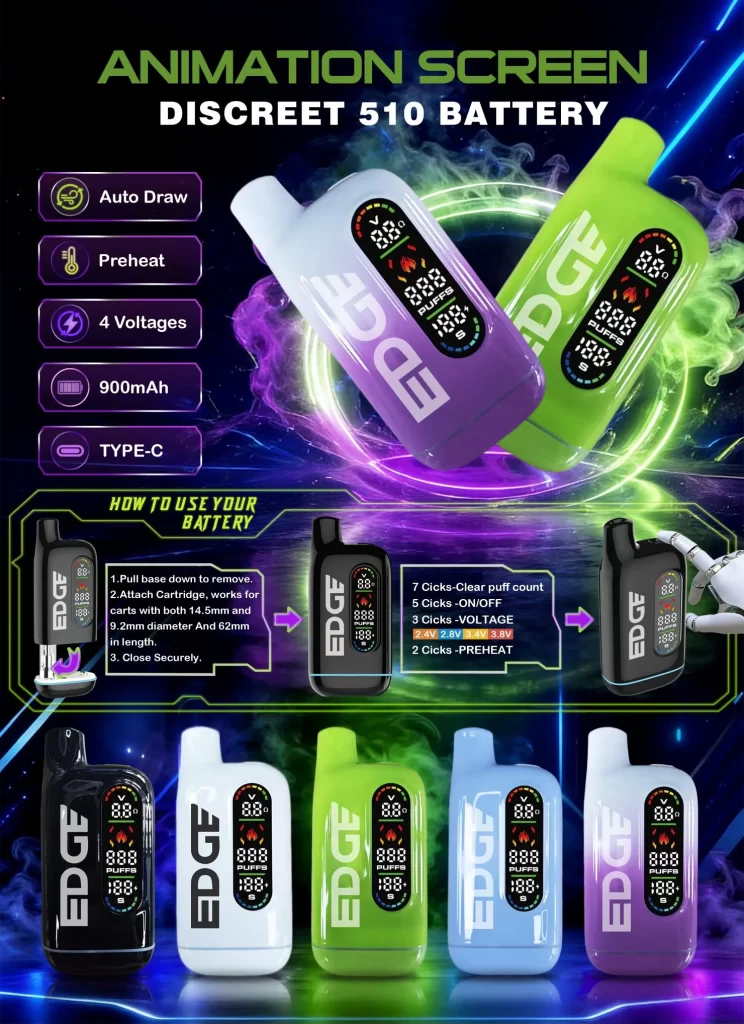
Build Starter Collections for New Retail Accounts
New retail customers may not know which products to select from a large catalog.
A starter collection can simplify the first purchasing decision.
Instead of presenting hundreds of individual products, a supplier can suggest a smaller group containing several complementary categories.
This gives the retailer a starting point without requiring a complete catalog review.
The assortment can later expand according to actual demand.
For smoking accessories wholesale suppliers, starter collections can also make sales conversations more efficient because the discussion begins with a structured selection rather than an open-ended product list.
Create Expansion Paths From Existing Products
A bundle can also provide a path for account expansion.
A retailer may initially purchase one category.
Once that category performs well, complementary products can be introduced.
For example, an account purchasing grinders may later add trays and storage accessories.
A retailer carrying glassware may eventually introduce related accessories.
This creates gradual category expansion without forcing the buyer to change its entire purchasing strategy at once.
The supplier can therefore use product relationships to support account development over time.
Consider Private-Label Collections as Complete Systems
Private-label businesses often begin with one branded product.
The next challenge is creating a broader product identity.
Bundles can help solve this problem.
A brand can establish a visual foundation with one product and then extend the same design language into related categories.
The products do not have to look identical.
They need to share enough characteristics to feel connected.
This could include packaging architecture, logo treatment, typography, finishes, colors, or graphic motifs.
A coordinated collection can make a young brand appear more established while giving retailers a clearer merchandising concept.
Match Packaging to the Selling Format
Packaging requirements depend on how a bundle will actually be used.
If the products remain individual items, each package should work independently while still connecting visually to the collection.
If the products are physically packaged together, the outer package needs to communicate the complete contents.
If the bundle is simply a wholesale purchasing recommendation, special consumer packaging may not be necessary.
This distinction can prevent unnecessary production changes.
For businesses purchasing smoking accessories wholesale, packaging decisions should therefore be connected to the intended sales format rather than automatically adding custom packaging to every combination.
Think About Wholesale Carton Planning
Bundling can influence physical logistics as well.
When several product categories are purchased together, the buyer needs to understand how the products will be packed and shipped.
Different products may require different protective materials.
Some items may be compact enough to maximize carton utilization.
Others may require additional space.
A bundle that works well from a merchandising perspective should also be practical from a logistics perspective.
This is especially important for international wholesale shipments where packaging efficiency can influence handling and transportation requirements.
Use Product Collections to Support Sales Presentations
Sales representatives can make wholesale conversations more effective by presenting products as collections.
A single product photograph communicates one item.
A collection image can communicate a broader commercial concept.
Retail buyers can immediately see how the products might work together.
This can also simplify internal decision-making.
Instead of evaluating ten unrelated products, a buyer can evaluate one collection with several clearly defined components.
For smoking accessories wholesale, collection-based sales presentations can therefore help connect product development with retail merchandising.
Give Retailers Multiple Bundle Options
One bundle rarely fits every customer.
A supplier can provide several structured options.
A compact starter collection.
A broader core assortment.
A premium collection.
A private-label collection.
A seasonal combination.
These options allow retailers to choose according to their business model.
The products remain connected, but the purchasing scale can change.
This approach also gives sales teams a more flexible way to respond to different buyer requirements.
Avoid Adding Products Simply to Increase Order Value
Bundling only works when the products have a genuine relationship.
Adding unrelated products to a package simply because they are available can reduce clarity.
Retailers may end up with products that are difficult to display.
Customers may not understand the relationship.
The bundle may also increase purchasing costs without improving commercial value.
A better approach is to start with the customer use case and work backward.
Which products solve related needs?
Which products naturally appear together?
Which products share a visual identity?
Which products can be displayed effectively as a group?
These questions create stronger foundations for bundle development.
Use Data to Refine Product Combinations
After a bundle has been introduced, businesses can observe how customers respond.
Which products are frequently ordered together?
Which combinations generate additional inquiries?
Which accessories are regularly added after the primary product?
Which products remain untouched?
Which combinations do sales representatives repeatedly recommend?
This information can help refine future assortments.
The goal is not to assume that the first bundle is perfect.
Instead, product relationships can evolve as more purchasing information becomes available.
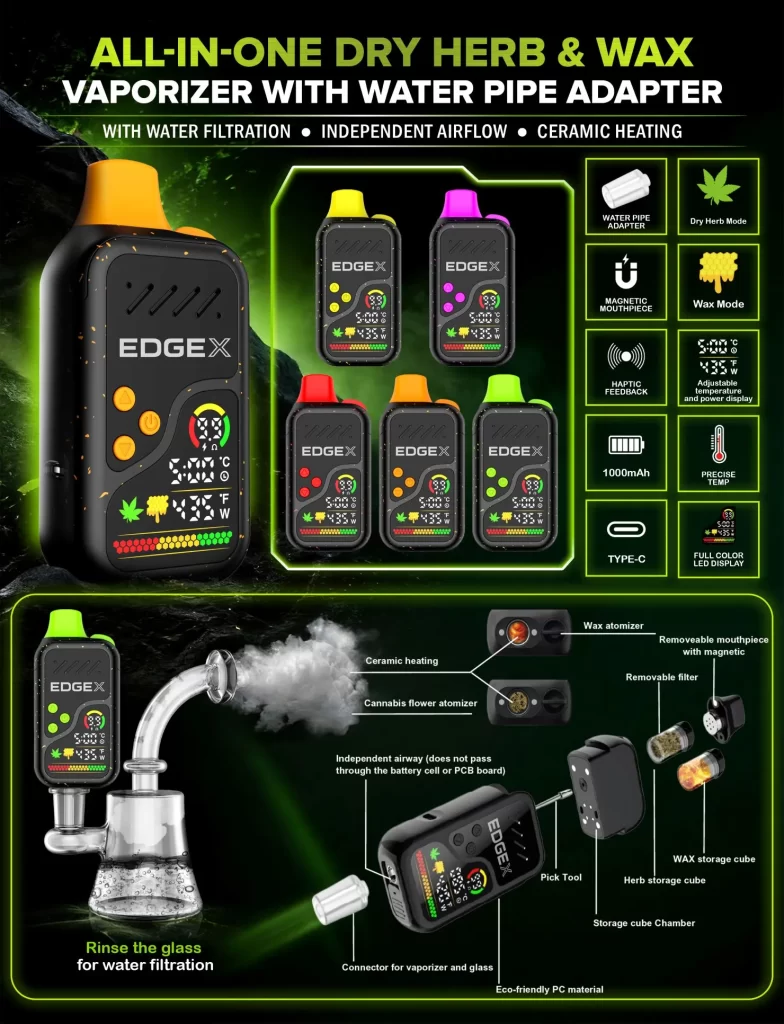
Connect Bundles With Retail Promotions
Product combinations can also provide retailers with additional promotional concepts.
A retailer might introduce a new collection using coordinated displays.
A distributor might offer a special assortment to selected accounts.
A private-label brand may launch several related products simultaneously.
The promotional format can change without changing the underlying product relationships.
This gives businesses more flexibility when planning marketing activity around smoking accessories wholesale products.
Build Bundles That Can Survive Product Changes
Wholesale catalogs change over time.
Products may be replaced.
New designs may be introduced.
Packaging may be updated.
Certain variations may become seasonal.
A good bundle structure should therefore be flexible.
The core concept can remain while individual products change.
A tray may be replaced by a new design.
A storage product may be updated.
A new grinder may become the central product.
This allows the collection to remain relevant without rebuilding the entire merchandising strategy.
Make Bundling Part of Long-Term Product Planning
The most valuable use of product bundling is not a single promotion.
It is incorporating product relationships into long-term product planning.
When developing new accessories, buyers can consider which existing products the new item could complement.
When reviewing a catalog, suppliers can identify categories with strong cross-selling potential.
When developing private-label collections, brands can establish visual systems that work across several product types.
This creates a more connected product ecosystem.
Instead of expanding a catalog randomly, the business develops products that support one another.
Conclusion
Smoking accessories wholesale can become more commercially structured when products are planned as connected assortments rather than isolated items. Product bundles can simplify purchasing, improve retail presentation, support cross-category merchandising, strengthen private-label branding, and give distributors more flexible ways to introduce collections to retail accounts.
The most useful bundles begin with a genuine relationship between products. A primary accessory provides the central purpose, while complementary items add functionality, visual coherence, or merchandising value. From there, packaging, branding, sales materials, logistics, and retail placement can be coordinated around the same concept.
For wholesale suppliers and buyers, this approach also creates a practical path toward long-term product development. Instead of constantly searching for unrelated new products, businesses can expand existing collections through logical product relationships.
When a customer can discover a grinder alongside a tray, a storage product beside a related accessory, or several branded products as one recognizable collection, the wholesale assortment becomes easier to understand and easier to merchandise.
That is the real value of product bundling in smoking accessories wholesale: not simply putting more products into one order, but creating a more connected product system that works across purchasing, retail presentation, branding, and future product development.