
A successful accessory brand is rarely built around one isolated product. Over time, customers begin to recognize collections, visual patterns, packaging styles, materials, and design details that connect individual products together. This is particularly important for businesses purchasing through cannabis accessories wholesale, where a retailer or private-label brand may eventually carry grinders, glassware, rolling trays, storage products, smoking kits, and other accessories under the same commercial identity.
The challenge is that adding more products does not automatically create a stronger brand.
A collection can easily become a mixture of unrelated designs purchased from different sources. One product may use minimalist packaging, another may have a colorful graphic style, while a third may use completely different typography and finishing. Each product might look acceptable independently, yet the overall assortment can feel disconnected.
A more structured approach treats every product as part of a larger visual and commercial system.
The goal is not to make every item identical. Instead, the products should share enough recognizable characteristics to create a relationship between them while retaining enough individual character to remain interesting.
For businesses involved in cannabis accessories wholesale, this approach can be particularly useful when developing private-label collections or expanding an existing accessory brand.
A Product Collection Needs a Clear Identity
Before selecting individual products, a brand needs to understand what it wants its collection to communicate.
Some brands may prefer a clean and understated appearance.
Others may build their identity around bold graphics, distinctive colors, premium materials, artistic designs, or a more technical visual language.
There is no universal formula.
What matters is consistency between the brand concept and the products selected for the collection.
If the brand presents itself as sophisticated and minimalist, adding products with unrelated visual styles can weaken that positioning.
If the brand is designed around expressive graphics, overly generic products may make the collection feel interchangeable.
A clear identity gives purchasing and product development teams a reference point when evaluating new items.
The Collection Should Have Visual Rules
A strong product line often uses a small set of recurring visual elements.
These might include:
- Logo treatment
- Typography
- Color system
- Surface finishes
- Graphic patterns
- Packaging structure
- Photography style
- Product naming conventions
These elements do not need to appear in exactly the same way on every product.
Instead, they create a visual connection.
For example, a brand may use one primary color across packaging while allowing the products themselves to use different finishes. Another brand may use consistent typography and logo placement while giving every product its own artwork.
This flexibility allows the collection to remain coherent without becoming repetitive.
Product Categories Can Have Different Roles
A collection becomes easier to develop when each category has a clear role.
A grinder may function as an everyday entry product.
Glassware may provide a more visually distinctive centerpiece.
Rolling trays may offer a larger branding surface.
Storage products can extend the brand into another functional category.
Smoking kits may combine several products into a single commercial package.
Understanding these roles helps prevent a collection from becoming a random list of SKUs.
For businesses sourcing cannabis accessories wholesale, category planning can therefore begin with the role each product plays within the overall brand rather than simply asking which products are currently available from a supplier.
Packaging Can Connect Different Products
Packaging is one of the easiest ways to create consistency across multiple categories.
Products can have different physical designs while still using related packaging structures.
A brand may use the same logo placement, typography, background treatment, or color system across boxes, sleeves, labels, and inserts.
This creates recognition when several products are displayed together.
Packaging can also provide information that connects the products as a collection.
For example, product names can follow a consistent naming system, while different categories use subtle visual variations.
The result is a collection that looks intentionally developed rather than individually sourced.
Materials Can Become Part of Brand Language
Material selection can also create consistency.
A brand that repeatedly uses similar metal finishes, glass characteristics, wood elements, or other material treatments may gradually establish a recognizable physical identity.
The objective is not to use the same material everywhere.
Instead, materials can be selected according to the product category while maintaining a common design philosophy.
A premium-looking grinder, glass product, and tray do not need to be made from the same material to feel like they belong to the same collection.
Their finishes, proportions, colors, and branding can provide the connection.
Custom Branding Should Go Beyond Logo Placement
Adding a logo to an existing product is one form of private labeling, but it does not necessarily create a distinctive brand.
A stronger approach considers how the brand appears throughout the product.
Logo size, placement, engraving style, packaging, color combinations, product naming, and graphic details can work together.
This creates a recognizable visual system.
For cannabis accessories wholesale buyers developing private-label products, the distinction is important.
A branded product should ideally look like it belongs to a specific brand rather than appearing to be a generic product with a logo added at the final stage.
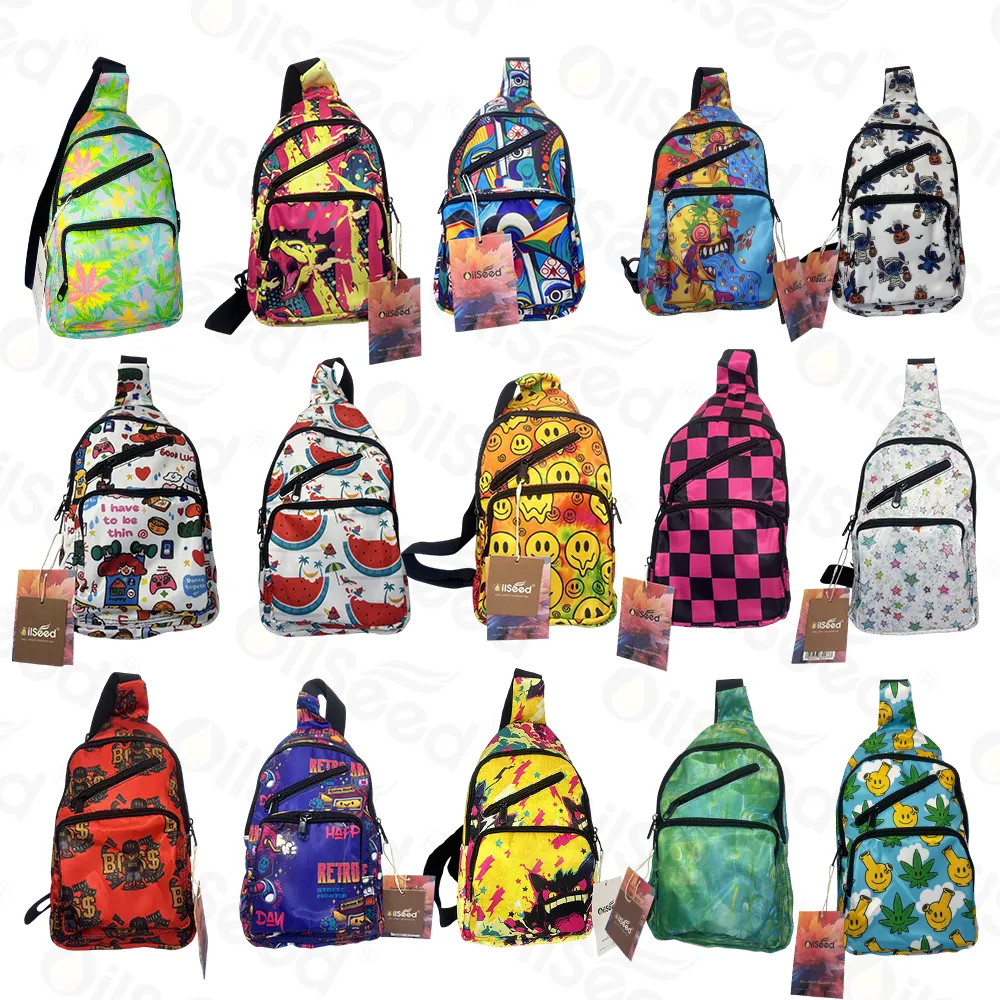
Product Names Can Strengthen Collection Recognition
Naming is another opportunity for consistency.
A collection can use a common naming structure across categories.
For example, products may use names related to a specific theme, design concept, geographic inspiration, color family, or brand story.
The naming system should remain simple enough for sales teams and customers to understand.
Consistent naming also helps distributors and retailers organize catalogs.
When product names follow a recognizable pattern, customers can more easily understand that different items belong to the same product family.
Color Systems Need More Planning Than a Single Brand Color
A brand may have one primary color, but that does not mean every product needs to use exactly that color.
A broader color system can provide greater flexibility.
For example, a collection might have:
Primary colors for core branding.
Secondary colors for supporting products.
Accent colors for limited or seasonal designs.
Neutral finishes for premium or understated products.
This allows the collection to evolve while maintaining visual relationships.
For private-label businesses, establishing this system before placing multiple product orders can reduce the chance of ending up with unrelated colors across the assortment.
Photography Should Match the Product Identity
Digital presentation is another part of collection consistency.
A product can be physically well designed but appear disconnected from the rest of the brand if every product uses different photography styles.
Consistent product photography can use similar backgrounds, lighting, framing, image ratios, and visual composition.
This becomes particularly important for ecommerce brands.
Customers often encounter the collection through a product grid rather than by handling the physical products.
When images appear visually connected, the brand can feel more established.
For distributors, standardized product images can also make sales catalogs easier to organize.
A Collection Should Balance Familiarity and Novelty
If every product looks exactly the same, the collection may become visually boring.
If every product looks completely different, the brand identity can disappear.
The solution is controlled variation.
Certain elements remain consistent while other elements change.
A grinder might use the brand’s primary finish but introduce a new geometric pattern.
A tray might use the same typography while featuring a different graphic concept.
A glass product might use the same color family but a different silhouette.
This balance gives customers both recognition and discovery.
Private Label Works Better With Long-Term Planning
Private-label brands can gain more value when products are developed as a collection rather than one order at a time.
Instead of asking only what product should be launched next, the brand can consider how the next product connects with existing products.
Does it share the same packaging language?
Does it fit the same customer profile?
Does its price position make sense within the collection?
Does the design expand the brand or simply duplicate something already available?
These questions help create a more intentional product roadmap.
A Supplier Can Support Collection-Level Development
A capable wholesale manufacturer can play an important role in maintaining consistency across multiple product categories.
When a supplier understands the brand’s visual requirements, it becomes easier to coordinate custom colors, finishes, packaging, branding, and product specifications across different orders.
This can reduce the need to communicate every design decision from scratch.
The supplier can maintain approved references and apply them to future projects.
For a business purchasing cannabis accessories wholesale, this can make the transition from individual product sourcing toward collection development considerably smoother.
Standard Products Can Still Fit a Private-Label Collection
Not every product needs to be completely custom.
Standard products can sometimes be incorporated into a branded collection through carefully selected finishes, packaging, labels, or coordinated visual elements.
This can allow a growing brand to expand its assortment without developing every product from the ground up.
The key is selection.
A standard product should still fit the overall design language.
If the underlying product is visually inconsistent with the collection, branding alone may not fully solve the problem.
Product Architecture Should Support Future Expansion
A good collection is designed with future growth in mind.
A brand may begin with several core products and later expand into adjacent categories.
If the original visual system is too narrow, future products may be difficult to integrate.
A flexible brand system allows new products to introduce different shapes and materials while maintaining recognizable elements.
This makes the collection more adaptable.
It also reduces the need for major rebranding every time the product range expands.
Packaging Materials Should Be Considered as a System
Packaging consistency is not limited to graphics.
The physical packaging format can also contribute to brand recognition.
A collection may use related box dimensions, paper textures, structural formats, labels, or inserts.
At the same time, packaging should remain appropriate for each product.
A small accessory does not necessarily need the same packaging format as a larger glass product.
The goal is to maintain a family relationship rather than force every product into identical packaging.
Retail Display Can Influence Collection Design
Products are eventually presented in a physical or digital retail environment.
This should influence product development.
A collection that looks attractive individually may not work as well when several products are displayed together.
Different heights, shapes, colors, and packaging formats can either create visual interest or produce clutter.
Retailers can therefore consider how products will appear as a group.
Private-label brands can provide suppliers with packaging and display references early in the development process.
This creates greater consistency between manufacturing and final presentation.
A Strong Collection Can Support Cross-Category Recognition
When customers recognize a brand through one product, related products have an opportunity to benefit from that recognition.
A customer familiar with a particular grinder may notice the same branding on a tray.
A customer who discovers a glass product may recognize the same visual language on a storage accessory.
This does not guarantee additional purchases, but it creates a connected brand environment.
For retailers, this can make related products easier to present together.
For private-label brands, it can gradually build recognition across multiple accessory categories.
Wholesale Buyers Should Think Beyond Individual SKUs
The individual SKU remains important, but brand development requires a broader view.
A buyer should be able to look at the entire product line and ask whether the products feel connected.
Are the colors compatible?
Does the packaging look related?
Is the branding consistent?
Do the products appear to target the same customer?
Are different price levels clearly differentiated?
Does each new product add something useful to the collection?
These questions help transform purchasing into brand development.
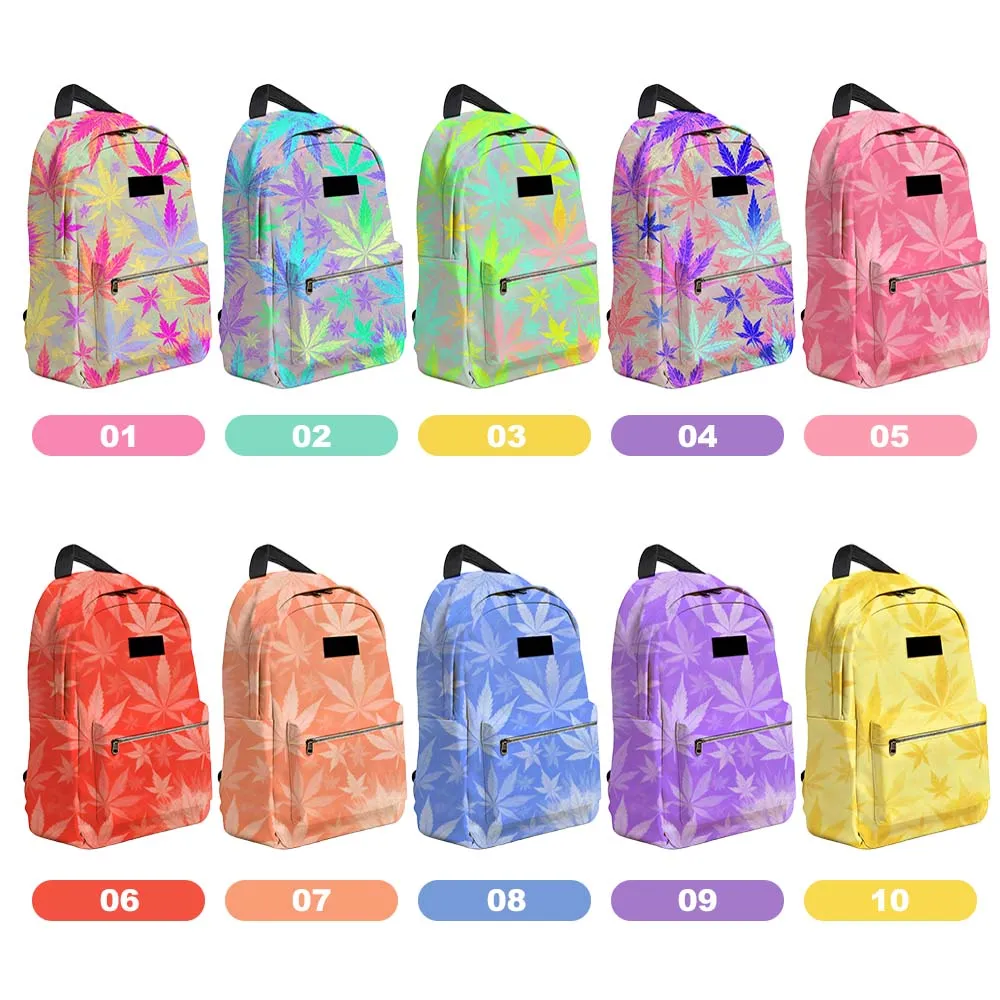
Product Collections Can Have Different Price Levels
A cohesive visual identity does not require every product to have the same price.
A brand can create entry, mid-range, and premium products while maintaining a common design language.
The differences can come from materials, construction, finishing, packaging, product complexity, or customization.
This allows customers to interact with the same brand at different price points.
For cannabis accessories wholesale, this structure can also give retailers greater flexibility when building a branded product display.
Seasonal Products Can Use the Same Brand Framework
Limited collections can introduce new designs without changing the core identity.
Seasonal colors, special graphics, limited packaging, or short-run products can create variation within an established brand system.
The important distinction is between changing the design and changing the identity.
A seasonal product can look different while still being immediately recognizable as part of the same brand.
This makes limited collections easier to introduce without creating a completely separate visual language.
Consistency Should Not Mean Repetition
One of the biggest mistakes in collection design is confusing consistency with duplication.
If every product uses exactly the same graphics, materials, proportions, and colors, the collection can become predictable.
Consistency should instead come from shared principles.
The logo may remain consistent.
Typography may remain consistent.
Packaging structure may remain recognizable.
But product shapes, graphics, finishes, and details can evolve.
This creates a collection that feels related without looking mass-produced from a single template.
Building a Brand Through Manufacturing Decisions
Brand identity ultimately has to exist in the physical product.
Marketing can communicate a brand concept, but customers experience the product itself.
The finish of a grinder.
The color of a glass product.
The texture of a tray.
The structure of the packaging.
The placement of the logo.
The quality of the printed graphics.
All of these details contribute to brand perception.
For this reason, cannabis accessories wholesale can become more than a purchasing channel for private-label companies. It can become part of the process through which a brand’s identity is translated into physical products.
From Individual Products to a Recognizable Collection
A growing accessory brand does not need to launch dozens of products at once.
A more deliberate strategy can begin with a small group of products that share a clear design language.
Once those products establish the visual foundation, additional categories can be introduced gradually.
Each new product should answer a simple question:
Does this product strengthen the collection?
If the answer is yes, the product has a clear role.
If it adds only another SKU without strengthening the brand, its commercial value may need to be reconsidered.
This approach can help prevent uncontrolled product expansion.
Conclusion
A cohesive product collection is built through more than logos and packaging. Product selection, materials, finishes, colors, naming, photography, packaging structure, retail presentation, and customization all contribute to how customers perceive a brand.
For businesses involved in cannabis accessories wholesale, this creates an opportunity to move beyond generic product sourcing and develop a more recognizable private-label identity. Standard products can be integrated when carefully selected, while custom products can provide greater differentiation where the brand requires it.
The objective is not to make every accessory look identical. It is to create a recognizable relationship between products so that customers can see the connection even when the products themselves are different.
When purchasing decisions, product development, branding, and packaging follow the same visual framework, a collection becomes more than a group of individual SKUs. It becomes a coherent product system that can evolve across categories while maintaining a consistent commercial identity.