
The smoking accessories market is becoming increasingly competitive, and simply selling products from a general catalog is no longer enough for many retailers and distributors. As more businesses enter the market, product differentiation has become an important part of long-term commercial strategy. Retailers need ways to distinguish their stores, create recognizable product lines, and establish stronger relationships with customers. This is one reason private label programs are attracting increasing attention across the global wholesale industry.
For businesses working with a smoke shop wholesale supplier, private label manufacturing provides an opportunity to move beyond traditional wholesale purchasing. Instead of purchasing completely standardized products and selling them under a generic presentation, retailers can develop branded packaging, customized collections, and product identities that are more closely connected to their own businesses. This approach is particularly valuable for companies that already have established retail channels and want to develop a stronger market position.
The same opportunity is developing across the wider smoking accessories wholesale industry. Retailers are looking for products that fit their brand image rather than simply adding another interchangeable item to their shelves. Meanwhile, manufacturers specializing in glass pipe wholesale can create additional value by supporting customization, packaging development, product selection, and long-term private label cooperation.
At ZTCSMOKE and Oilseedlife, we view private label manufacturing as more than a packaging service. When properly planned, it can become a complete business strategy that connects product development, brand positioning, retail presentation, and long-term customer loyalty.
Private Label Changes the Relationship Between Retailer and Manufacturer
Traditional wholesale purchasing is relatively straightforward. A retailer selects products from a supplier’s existing catalog, determines the required quantity, confirms packaging, and arranges delivery. The supplier manufactures the products and the retailer sells them under a general product identity.
Private label cooperation changes this structure.
The retailer becomes more involved in decisions surrounding product presentation, brand identity, packaging, and sometimes product specifications. The manufacturer becomes more involved in helping the retailer develop a consistent commercial collection.
For a professional smoke shop wholesale supplier, this means understanding the customer’s business rather than simply processing purchase orders. The supplier needs to understand the intended market positioning, expected price range, visual identity, packaging requirements, and future product plans.
This creates a deeper relationship between both sides.
Instead of asking which existing product should be purchased, the conversation becomes: what kind of product collection should the retailer build?
Brand Identity Starts With Product Selection
A private label strategy should not begin with a logo.
The logo is only one part of the brand.
A stronger approach begins with deciding what the product line should represent.
For example, a retailer may want its collection to communicate:
- Modern design
- Premium positioning
- Simple visual presentation
- Strong color consistency
- Unique product styling
- Accessible pricing
Once the positioning is established, the retailer can select products that support that identity.
This is where an experienced glass pipe wholesale manufacturer can provide valuable assistance. Instead of treating every product independently, the manufacturer can help create a collection with consistent shapes, finishes, colors, packaging styles, and visual characteristics.
A coherent product family is much easier for customers to recognize than a collection of unrelated products carrying the same logo.
Packaging Has Become an Important Part of Wholesale Branding
Packaging is often the first physical interaction between a customer and a product.
Before evaluating the product itself, customers see the box, label, color scheme, graphics, and overall presentation.
For businesses participating in smoking accessories wholesale, professional packaging can therefore become an important part of retail differentiation.
Private label packaging may include:
Custom Brand Identity
The retailer’s name, logo, typography, and visual elements can create a recognizable product family.
Consistent Product Presentation
Different products can use coordinated packaging so that the entire collection looks connected.
Product Information
Clear product identification makes it easier for retailers and customers to understand the collection.
Retail-Focused Design
Packaging can be developed according to the retailer’s preferred shelf presentation and merchandising strategy.
A capable smoke shop wholesale supplier can help coordinate packaging requirements with manufacturing processes so that branding remains consistent across future orders.
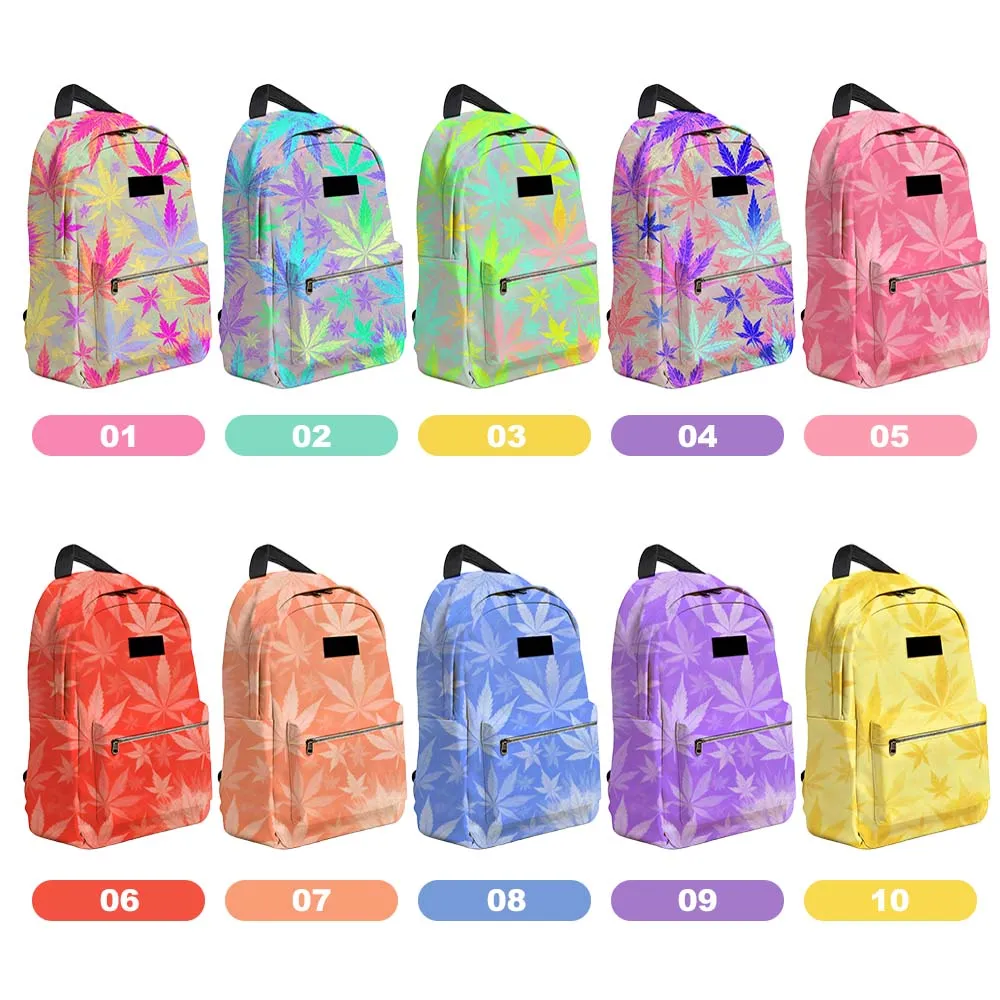
Why Exclusive Product Collections Can Be More Valuable Than Generic Inventory
Generic products are easy to compare.
If multiple retailers sell similar products from the same catalog, customers may compare prices rather than brands.
Exclusive collections create a different competitive environment.
When a retailer develops its own branded collection through smoking accessories wholesale manufacturing, direct product comparison becomes more difficult because competitors may not carry exactly the same products or packaging.
This can provide several business advantages:
- Stronger brand recognition
- Greater product differentiation
- Better merchandising opportunities
- More control over retail presentation
- Increased customer familiarity
For retailers with established customer bases, exclusive collections can become an important part of long-term brand development.
Private Label Does Not Necessarily Mean Completely New Product Design
One common misconception is that private label manufacturing always requires a completely new product design.
That is not necessarily the case.
A retailer can build a private label collection using carefully selected existing manufacturing platforms while differentiating the products through:
- Packaging
- Color combinations
- Finishes
- Product combinations
- Branding
- Collection organization
This approach can significantly reduce development complexity.
For companies entering glass pipe wholesale for the first time, starting with an established manufacturing platform and developing a customized brand presentation can be more practical than immediately investing in completely new product engineering.
As the brand grows, more customized product development can be introduced.
Product Consistency Becomes Even More Important for Private Labels
When products carry a retailer’s own brand, quality problems can directly affect the retailer’s reputation.
This makes manufacturing consistency especially important.
A professional smoke shop wholesale supplier supporting private label programs should establish clear quality standards before mass production begins.
Important areas may include:
- Product dimensions
- Surface finishing
- Color consistency
- Packaging specifications
- Logo positioning
- Product labeling
The objective is not simply to produce one successful batch.
The objective is to make future production look and perform consistently.
This is particularly important when retailers reorder the same collection months later.
Private Label Programs Can Support Multiple Retail Channels
A strong private label brand does not have to depend on one sales channel.
Retailers can potentially use the same branded collection across:
- Physical stores
- E-commerce stores
- Distributor networks
- Social media marketing
- Promotional campaigns
This creates a unified customer experience.
For companies operating in the smoking accessories wholesale market, consistent branding across different channels can strengthen recognition and make marketing investments more efficient.
The product becomes an asset that supports the entire business rather than simply another item in inventory.
Building a Private Label Collection Requires a Clear Product Hierarchy
A successful private label catalog should have structure.
Instead of launching dozens of unrelated products, retailers can create several levels within the collection.
For example:
Core Collection
Products designed to generate stable everyday sales.
Premium Collection
Higher-positioned products designed to strengthen brand perception.
Seasonal Collection
Products introduced around specific promotional periods or market opportunities.
Limited Collection
Smaller runs designed to create exclusivity and customer interest.
This structure allows businesses to manage their brand more strategically while giving customers different purchasing options.
A professional glass pipe wholesale partner can support this structure by coordinating different product categories under one consistent brand identity.
Brand Development Should Be Based on the Target Customer
Private labeling becomes much more effective when retailers understand who they are trying to reach.
A premium customer may respond to sophisticated packaging and refined product presentation.
A younger trend-focused audience may respond more strongly to contemporary visual design and frequently updated collections.
Value-oriented customers may prioritize straightforward presentation and accessible pricing.
Therefore, the right private label strategy depends on the intended customer rather than following one universal design style.
An experienced smoke shop wholesale supplier can help translate these requirements into practical manufacturing and packaging decisions.
Private Label Can Improve Long-Term Customer Recognition
A generic product may be remembered because of its appearance.
A branded product can be remembered because of the company behind it.
Repeated exposure to the same logo, packaging style, product colors, and collection design gradually creates recognition.
Customers who become familiar with a retailer’s private label products may begin actively searching for those products during future purchases.
This creates an important transition from product-based competition to brand-based competition.
For businesses in smoking accessories wholesale, that transition can represent a significant long-term opportunity.
Communication Between Buyer and Factory Is Critical
Private label manufacturing requires more communication than standard catalog purchasing.
The buyer and manufacturer may need to discuss:
- Branding specifications
- Packaging artwork
- Product combinations
- Production samples
- Label placement
- Quality requirements
- Future reorder plans
Clear communication reduces misunderstandings and helps both parties establish realistic expectations.
A professional smoke shop wholesale supplier should therefore provide an organized process for managing customized projects rather than treating private label orders like ordinary wholesale transactions.
Good communication becomes part of the manufacturing service.
Start Small, Then Expand the Brand
A new private label does not necessarily need a large catalog at launch.
Starting with a focused collection can provide valuable market feedback.
Retailers can monitor:
- Which products receive the most attention
- Which designs generate repeat purchases
- Which price levels perform best
- Which packaging receives positive feedback
- Which products deserve future expansion
The strongest products can then become the foundation for subsequent collections.
This approach allows businesses to develop their private label based on actual market performance rather than assumptions.
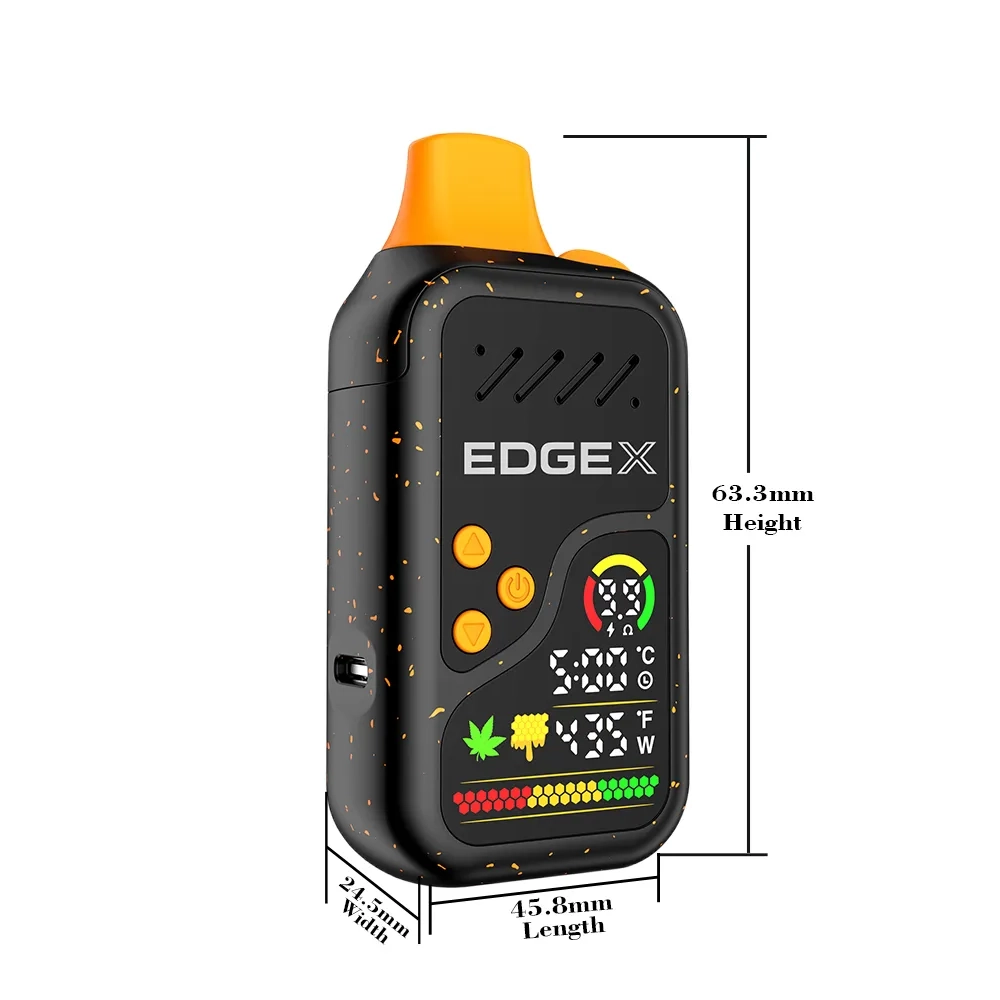
The Future of Wholesale Is Moving Toward Brand Collaboration
Wholesale manufacturing is gradually becoming more collaborative.
Retailers want more control over product identity, while manufacturers are developing greater capabilities in customization and product development.
This creates opportunities for both sides.
For distributors and retailers, private label programs can create differentiation and stronger customer recognition. For manufacturers, long-term private label relationships create more stable cooperation and opportunities to participate in product development.
The result is a more integrated wholesale model in which manufacturing and branding work together.
Conclusion
Private label manufacturing offers retailers an opportunity to move beyond traditional product reselling and develop their own market identity. Through customized packaging, coordinated product collections, consistent manufacturing, and strategic product planning, businesses can create branded products that are more difficult to compare directly with generic competitors.
For companies working with a smoke shop wholesale supplier, private label programs can provide a practical path toward stronger brand differentiation. Businesses purchasing through glass pipe wholesale channels can gradually develop customized collections, while companies operating in smoking accessories wholesale can use private branding to create a more recognizable retail presence.
At ZTCSMOKE and Oilseedlife, we believe successful private label cooperation should begin with a clear understanding of the customer’s brand and continue through product selection, manufacturing, packaging, quality control, and future collection development. The goal is not simply to place a logo on an existing product, but to build a product identity that can grow alongside the business.