
Starting or expanding a smoke shop brand often requires a difficult balance between product variety and purchasing capacity. Customers expect a store to offer enough choices to remain interesting, while business owners need to control how much capital is committed to each product. For established distributors, large-volume purchasing may be relatively straightforward. For emerging retailers and private-label brands, however, committing to large quantities across dozens of products can create unnecessary financial pressure.
This is where a flexible headshop supplier USA can become an important part of a growing business model.
Low-MOQ purchasing allows smaller buyers to access a broader range of products without immediately committing to large production quantities. Instead of building an entire catalog around high-volume orders, businesses can introduce selected products, develop their brand identity gradually, and increase purchasing quantities as their operations become more established.
The value of low MOQ is therefore not simply that buyers can order fewer units. It changes how a business can approach product expansion.
A retailer can introduce new accessories without tying up excessive working capital. A private-label brand can develop a collection without requiring a large first production run. A growing distributor can add new categories while keeping its purchasing structure flexible. In each case, lower minimum quantities create additional room for controlled business development.
Low MOQ Changes the Economics of Product Expansion
A large minimum order can make even a promising product difficult to introduce.
Suppose a growing retailer wants to add several new categories to its store. If every product requires a large minimum quantity, the business may have to choose between carrying fewer products or committing a significant amount of capital before customer demand is known.
A low-MOQ program provides another option.
Instead of purchasing large quantities of every new product, the buyer can allocate purchasing capacity across a wider selection. This can create a more diversified product offering without requiring the same level of upfront commitment.
For businesses working with a headshop supplier USA, this flexibility can be particularly useful during periods of expansion. A retailer may want to introduce grinders, glassware, rolling trays, storage products, smoking kits, or other accessories, but demand may vary significantly between categories.
Lower minimum quantities allow the business to build its product range progressively.
Growing Brands Need Flexibility More Than Scale
Large companies often benefit from purchasing power, established sales channels, and predictable demand. Smaller brands operate differently.
A growing smoke shop may still be learning which products its customers prefer. A new private-label company may still be developing its visual identity. An emerging distributor may be building relationships with its first group of retail customers.
At this stage, flexibility can be more valuable than maximum purchasing volume.
A business needs room to change direction.
If one category receives stronger customer interest, purchasing can increase around that category. If another product generates limited demand, the buyer does not necessarily need to maintain a large inventory simply because the original MOQ was high.
This makes low MOQ particularly relevant to businesses that are still developing their commercial model.
Build a Wider Catalog Without Overbuilding Inventory
Product variety is important in retail, but variety does not always require deep quantities.
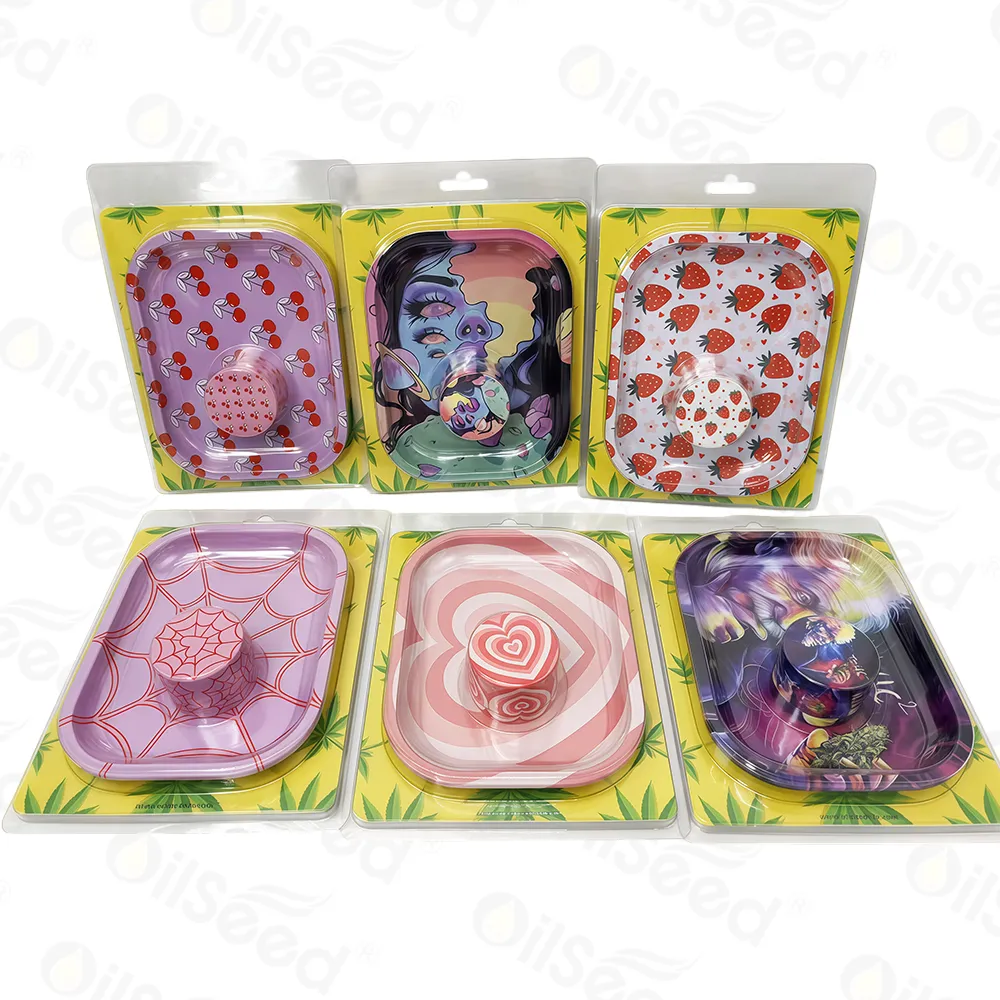
A smaller retailer may want to present multiple designs of glass pipes, several grinder finishes, different rolling tray styles, and complementary accessories. Purchasing large quantities of every variation could quickly create an oversized inventory position.
A more flexible approach is to maintain broader selection with controlled quantities.
For example, a retailer could carry several variations within a product category while keeping the initial quantity of each variation relatively modest. This creates a more visually diverse shelf without requiring every SKU to be purchased at large scale.
A headshop supplier USA that supports flexible quantities can therefore help smaller retailers build assortment depth while maintaining greater control over purchasing commitments.
Low MOQ Can Support Gradual Brand Development
Private-label brands face an additional challenge.
A new brand may have a clear concept but limited information about which products will become its strongest commercial performers. Ordering a very large quantity of every branded product before the market has responded can make the early stages of brand development unnecessarily expensive.
Lower minimum quantities create room for gradual development.
A brand can begin with a smaller selection of products that represent its visual direction. Packaging, logos, colors, and product presentation can establish the initial identity without requiring a huge product portfolio.
As the brand gains customer recognition, the collection can expand.
New accessories can be added.
Existing designs can be refreshed.
Popular products can receive additional variations.
Less successful products can gradually disappear.
This creates a natural progression from a small branded collection toward a broader product line.
Different Business Stages Require Different Purchasing Strategies
A useful purchasing model should reflect the stage of the business.
Early-Stage Retailers
New retailers often need flexibility above all else. Their customer base is still developing, and purchasing decisions may change frequently.
Low MOQ allows them to build a credible product selection without making excessive commitments at the beginning.
Growing Smoke Shops
Once a retailer has established regular traffic, it can begin identifying stronger product categories and increasing purchasing quantities selectively.
At this stage, low MOQ remains useful for introducing new products while larger orders are reserved for established performers.
Emerging Private-Label Brands
Private-label businesses can use smaller initial production runs to establish brand identity and gradually expand their product families.
The objective is to build recognition without forcing the entire product strategy to be finalized at the beginning.
Developing Distributors
Distributors entering new markets may also benefit from flexible quantities. They can introduce selected products to retail customers while learning which categories generate the strongest interest within their network.
Each stage requires a different balance between volume and flexibility.
Low MOQ Does Not Mean Lower Manufacturing Standards
An important distinction should be made between quantity and quality.
A lower order quantity does not automatically mean that a product should receive lower manufacturing standards.
Professional suppliers should maintain consistent production requirements regardless of whether an order contains a relatively small quantity or a larger commercial volume.
Product specifications should remain clear.
Branding requirements should remain documented.
Packaging expectations should remain consistent.
Quality inspections should follow defined procedures.
This is particularly important for private-label businesses. A small initial order may eventually become a much larger recurring program, so the first production run needs to establish a reliable reference for future orders.
For buyers searching for a headshop supplier USA, MOQ should therefore be evaluated alongside manufacturing capability rather than considered independently.
Flexible Quantities Make Product Collections Easier to Build
Low MOQ can also change how buyers think about collections.
Instead of asking, “How many units should I purchase?” a buyer can begin by asking, “What combination of products best represents this collection?”
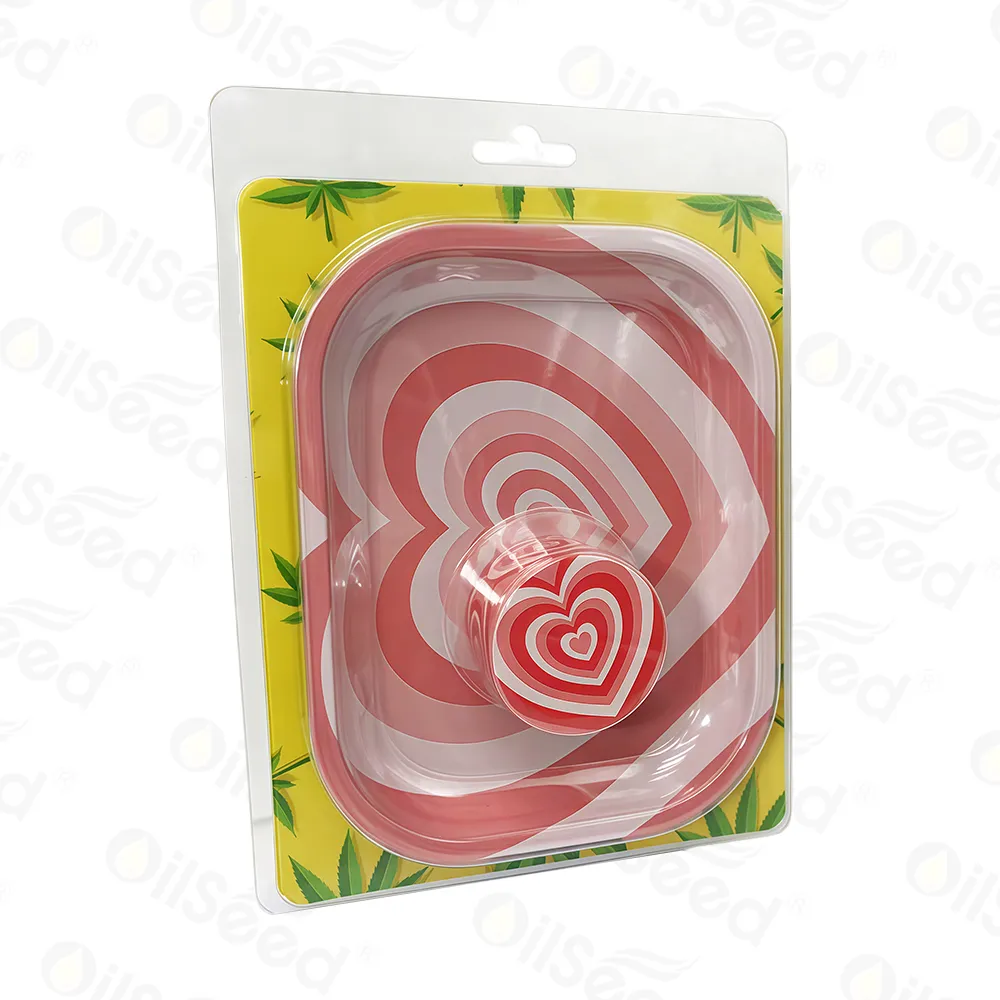
A new collection might include a grinder, rolling tray, glass product, storage item, and smoking kit that share related branding or design elements.
The buyer can then assign different quantities according to expected demand.
Core products may receive larger quantities.
Supporting products may receive moderate quantities.
Experimental products may receive smaller quantities.
This creates a more balanced purchasing structure.
The collection can look complete from a merchandising perspective without requiring equal investment across every product.
Lower Initial Commitments Can Protect Working Capital
Working capital is one of the most important considerations for a growing business.
Money committed to products cannot be used for other business activities until those products generate revenue. Excessive purchasing can therefore create pressure even when the products themselves are attractive.
Low MOQ can reduce the amount of capital committed to each new product line.
This does not eliminate purchasing risk. It simply gives the buyer more control over how much capital is allocated to each category.
A retailer can reserve additional funds for marketing, store improvements, staffing, ecommerce development, or future product opportunities rather than concentrating too much of its available capital in one large purchase.
For emerging brands, that flexibility can be especially valuable during periods of rapid development.
Low MOQ Supports More Frequent Product Refreshes
Retail environments benefit from a sense of freshness.
Customers who regularly visit a store may notice when the same products remain on display for extended periods. However, constantly introducing large quantities of completely new products is not necessarily practical.
Smaller purchasing quantities can provide another approach.
A retailer can periodically introduce selected new designs while maintaining established products as the foundation of the assortment.
This creates a rotating product environment without requiring a complete catalog replacement.
For a headshop supplier USA, offering flexible quantities can therefore support retailers that want to maintain a more active product presentation.
Supplier Communication Becomes More Important
Low-MOQ purchasing works best when supplier communication is clear.
Buyers should understand the conditions associated with smaller orders, including available products, customization options, production requirements, packaging choices, lead times, and potential differences between standard and customized products.
This information helps buyers plan realistic purchasing strategies.
For example, a supplier may offer a low MOQ for standard products while customized packaging requires a different minimum quantity. Another product may support small quantities but have limited customization options.
Understanding these differences before ordering prevents misunderstandings later.
A professional headshop supplier USA should be able to explain these conditions clearly so buyers can select the appropriate purchasing model.
Use Low MOQ for Brand Expansion, Not Just Smaller Orders
The broader value of low MOQ becomes clearer when viewed as a growth tool.
A business can use smaller quantities to enter a new product category.
It can introduce a new color direction.
It can develop a private-label concept.
It can expand from one accessory category into several complementary categories.
It can create a small seasonal collection.
It can introduce products to a new customer segment.
In each case, the objective is not simply to purchase fewer units. The objective is to create more opportunities for controlled expansion.
This distinction matters because a low-MOQ program should support business development rather than encourage random purchasing.
Build Reordering Around Real Business Performance
As products begin generating sales, purchasing decisions can become more informed.
A buyer may discover that a particular grinder design receives frequent repeat orders, while another variation generates only occasional interest. A retailer may find that certain glassware products perform consistently while a different category works better during specific promotional periods.
These observations can influence future purchasing quantities.
The business can gradually move from flexible introductory quantities toward larger recurring orders for proven products.
In this way, low MOQ can serve as an entry point rather than a permanent purchasing model.
A product begins with a manageable quantity.
Customer response becomes clearer.
Purchasing confidence increases.
Order quantities grow where appropriate.
The supplier relationship becomes more predictable.
This creates a natural path from experimentation to scale without requiring the buyer to make the largest commitment at the beginning.
Low MOQ and Private Label Require Clear Branding Control
Private-label buyers should pay particular attention to brand consistency when using smaller production runs.
A smaller order should still maintain the correct logo, artwork, product naming, packaging information, and visual identity.
Once a product becomes established, future orders should reference the approved version rather than recreating branding decisions from memory.
This is especially important when a brand gradually expands its product line. Small initial orders can eventually become recurring products, so documentation created during the first stage should remain available for future production.
A reliable supplier can help maintain this continuity by keeping approved product and branding specifications organized.
The Right Supplier Offers Flexibility Without Creating Complexity
Low MOQ is useful, but excessive flexibility without organization can create its own problems.
A supplier supporting many small orders needs clear systems for product identification, specifications, packaging, production scheduling, and communication.
For buyers, the ideal relationship is therefore not simply “low MOQ.”
It is low MOQ combined with organized manufacturing support.
That combination allows smaller businesses to access flexible purchasing while maintaining professional standards.
A capable headshop supplier USA can support this model by helping buyers understand which products are suitable for smaller runs, which products are better suited to larger quantities, and how customized requirements affect production.
From Small Orders to Long-Term Partnerships
Many established wholesale relationships begin with relatively modest purchases.
The buyer and supplier gradually learn how each other operates.
Product preferences become clearer.
Communication becomes faster.
Specifications become standardized.
Popular products become easier to reorder.
Private-label requirements become more established.
As the buyer grows, purchasing volume can increase naturally.
This creates a partnership based on development rather than a single large transaction.
For an emerging smoke shop brand, having access to a supplier that can support different purchasing stages can therefore be valuable throughout the company’s growth.
The supplier does not need to provide the same solution forever. Instead, the relationship can evolve as the buyer’s requirements change.
Conclusion
Low-MOQ purchasing gives growing smoke shops, distributors, and private-label brands another way to approach product expansion. Instead of committing substantial capital to every new product from the beginning, businesses can build broader selections, develop branded collections gradually, and increase purchasing quantities as commercial demand becomes clearer.
For companies working with a headshop supplier USA, the most important consideration is not simply the minimum order quantity. Buyers should also evaluate manufacturing consistency, customization capability, communication, packaging support, documentation, and the supplier’s ability to accommodate changing business requirements.
When these elements work together, low MOQ becomes more than a purchasing convenience. It becomes a practical tool for controlled growth—allowing emerging brands to introduce new products, develop their identity, expand their assortment, and gradually move toward larger and more predictable wholesale programs.