
A grinder can be a practical retail product, but it can also become a strong platform for design experimentation. Once a retailer has established a dependable core grinder selection, introducing limited-edition designs can create another layer of product variety without requiring the entire assortment to be redesigned.
This is where grinder wholesale becomes more than a simple replenishment category.
Limited-edition grinders can be developed around seasonal artwork, special colors, themed collections, unique finishes, retailer-exclusive designs, or short production runs. The purpose is not necessarily to replace established products. Instead, limited products can operate alongside the core range and give retailers additional opportunities to refresh their shelves.
For wholesalers, distributors, smoke shops, and private-label brands, the challenge is managing these special products without creating excessive SKU complexity or disrupting normal purchasing operations.
A successful limited-edition program therefore requires more than an attractive design. It needs a clear product role, controlled quantities, realistic production planning, differentiated packaging, organized SKU management, and a strategy for deciding what happens after the limited run ends.
Keep the Core Grinder Line Stable
Limited editions work best when they have a clear relationship with the regular product range.
A retailer should not constantly replace its core grinders with new designs. Established products often provide predictable purchasing patterns and recognizable price positions.
The limited collection can sit beside those products.
The core range provides continuity.
The limited range provides freshness.
This distinction allows retailers to experiment with new concepts without making their entire grinder wholesale program dependent on short-term products.
It also gives customers a reason to explore the category again without removing familiar options.
Give Each Limited Edition a Specific Concept
A limited product becomes easier to manage when its concept is defined before production begins.
The concept could be based on a visual theme, seasonal event, color direction, artistic collaboration, store identity, or particular design language.
The important point is to avoid creating a product that is simply “different.”
A clear concept can influence the grinder’s appearance, finish, packaging, product name, photography, and promotional materials.
For private-label brands, this can be particularly useful because each limited collection can reinforce the brand’s wider visual identity while still having its own character.
A grinder wholesale supplier can work from a defined concept more effectively than from a general request for something “unique.”
Use Limited Quantities Deliberately
The quantity of a limited edition should reflect its role.
A product designed as a short-term test does not necessarily require the same volume as a permanent core SKU.
Smaller production runs can allow retailers to evaluate customer response before committing additional purchasing resources.
However, limited production does not mean production should be improvised.
Materials, components, packaging, artwork, and quality requirements still need to be confirmed before manufacturing.
For buyers, the goal is to establish a quantity that is large enough to make production practical while remaining appropriate for the intended sales period.
Consider Seasonal Collections
Seasonal designs can provide a natural reason for introducing temporary grinder variations.
A retailer may use different artwork, colors, or packaging for a particular period while maintaining its standard products throughout the year.
Seasonal collections can also create a defined beginning and end.
This makes inventory planning easier because the buyer knows approximately when the product should enter the market and when the collection should be reviewed.
A grinder wholesale supplier can prepare production and packaging according to this schedule when the retailer communicates the launch window early enough.
Build Collections Instead of Isolated Products
A limited edition does not always need to be one product.
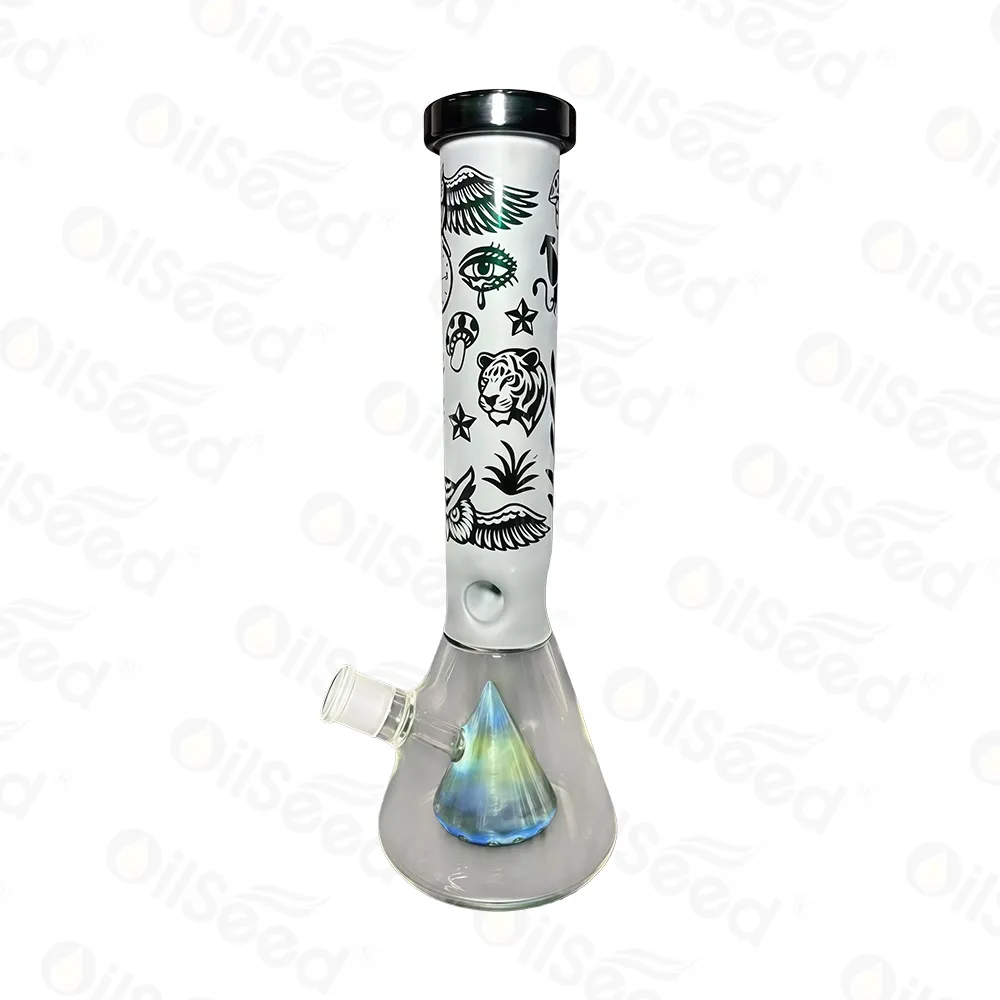
A collection can include several grinder designs that share a common visual theme.
For example, the same basic grinder format could appear in several coordinated finishes or artwork variations.
This creates a stronger retail story while allowing the manufacturer to work from an established product platform.
The collection can then be presented as one commercial concept rather than several unrelated SKUs.
This approach can also make product photography, packaging development, and promotional materials more organized.
Use Existing Product Platforms Where Practical
Limited editions do not necessarily require completely new engineering.
Using an established grinder structure can reduce unnecessary development complexity while allowing the visual identity to change.
The body format, threading system, component configuration, or other established specifications may remain consistent while finishes, colors, artwork, or packaging are modified.
This can provide a useful balance between product familiarity and visual novelty.
For buyers working with a grinder wholesale manufacturer, this approach may also make production planning easier than developing an entirely new grinder for every limited collection.
Create a Clear SKU System
Limited collections can quickly create inventory problems if product identification is inconsistent.
Each variation should have a clear SKU, product name, color or design reference, packaging reference, and order code.
If a collection contains six designs, the buyer should be able to identify each one immediately.
This becomes particularly important when distributors sell the collection to multiple retail accounts.
A clear SKU system prevents confusion between standard products and limited products and makes future reorder discussions easier.
Separate Limited Packaging From Core Packaging
Packaging is an important part of the limited-edition experience.
A special design can lose some of its commercial identity if it arrives in packaging that looks exactly like the standard collection.
Limited packaging can introduce a distinct color system, artwork direction, product name, collection identifier, or edition information.
At the same time, the packaging should remain compatible with the retailer’s storage and display environment.
A grinder wholesale supplier can coordinate the product and packaging specifications so that the limited collection feels intentional rather than simply being a standard product with a different color.
Decide Whether the Product Is Truly Limited
The word “limited” creates a specific customer expectation.
Retailers should therefore define what limited means operationally.
It could refer to a fixed production quantity.
A defined sales period.
A one-time artwork release.
A seasonal collection.
A retailer-exclusive production run.
A collaboration that will not be repeated.
The definition does not need to be complicated, but it should be clear internally.
If the same product is repeatedly reproduced without distinction, the limited-edition concept can become difficult to maintain.
Use Exclusivity Strategically
Some buyers may want a product that is available only through their business.
Retailer-exclusive grinder designs can create a different commercial proposition from broadly distributed products.
Exclusivity may involve artwork, packaging, color combinations, branding, or a complete private-label design.
The supplier and buyer should define the scope clearly.
Which markets are included?
How long does the exclusivity apply?
Is the product exclusive to one retailer or one distribution channel?
Can similar designs be produced for other customers?
Clear agreements help prevent misunderstandings later.
Test Designs Before Large Production
One advantage of limited collections is the ability to experiment.
Instead of committing to a large quantity of an untested design, a buyer can begin with a controlled production run where commercially practical.
The retailer can then observe:
Customer interest.
Sales velocity.
Design preferences.
Price acceptance.
Packaging response.
Repeat purchase interest.
This information can influence future collections.
A design that performs well may inspire a larger permanent product.
A weak design can simply remain a limited release without becoming part of the core line.
Do Not Confuse Attention With Sales
Some limited products may attract considerable attention but sell slowly.
A distinctive design can generate customer comments, social engagement, or staff interest without producing strong purchasing activity.
Retailers should therefore evaluate more than visibility.
Actual sales volume, sell-through rate, reorder behavior, and customer purchasing patterns provide more useful commercial information.
This distinction helps buyers avoid expanding a design simply because it looks impressive in promotional content.
Set a Clear Price Position
Limited-edition grinders may justify a different retail position from standard products, but the price difference should have a logical basis.
Factors can include design complexity, finish, packaging, customization, production quantity, branding, and overall product positioning.
The wholesale price should be considered alongside expected retail positioning.
A limited edition that becomes too expensive for its intended customer group may struggle regardless of its design.
Conversely, pricing a genuinely customized collection too close to a standard product may make the additional development effort difficult to justify.
Coordinate Artwork Before Production
Artwork approval becomes especially important when limited products involve custom graphics.
A small artwork error can affect an entire short production run.
Before production begins, buyers should confirm the final artwork, placement, dimensions, colors, branding elements, packaging files, and product references.
The approved artwork should then be connected to the correct SKU.
This creates a clear reference for the factory and reduces the risk of production teams using outdated files.
Prepare Product Photography Early
Limited collections often have a shorter commercial window than permanent products.
That makes content preparation particularly important.
Product photography, packaging images, lifestyle images, product descriptions, specifications, and promotional materials should be prepared before inventory reaches the retailer whenever possible.
Distributors can then introduce the collection to their customers without waiting for basic product assets.
A grinder wholesale supplier that maintains organized product photography and specification information can make these launches easier to coordinate.
Give Sales Teams a Simple Story
Sales representatives do not need a long technical explanation to introduce a limited collection.
They need to understand the commercial story.
What makes the collection different?
How many designs are available?
What is the production quantity?
Is the collection seasonal?
Is it exclusive?
What packaging does it use?
What makes it different from the standard grinder range?
A concise product sheet can answer these questions and make communication with retail buyers more consistent.
Manage the Collection Across Distribution Channels
A limited product may be sold through physical stores, distributor networks, ecommerce websites, or private-label channels.
Each channel may require slightly different product information.
However, the core SKU identity should remain consistent.
Product names, specifications, images, packaging references, and availability information should all correspond to the same product version.
This becomes increasingly important when distributors are handling multiple limited collections simultaneously.
Plan the End of the Limited Run
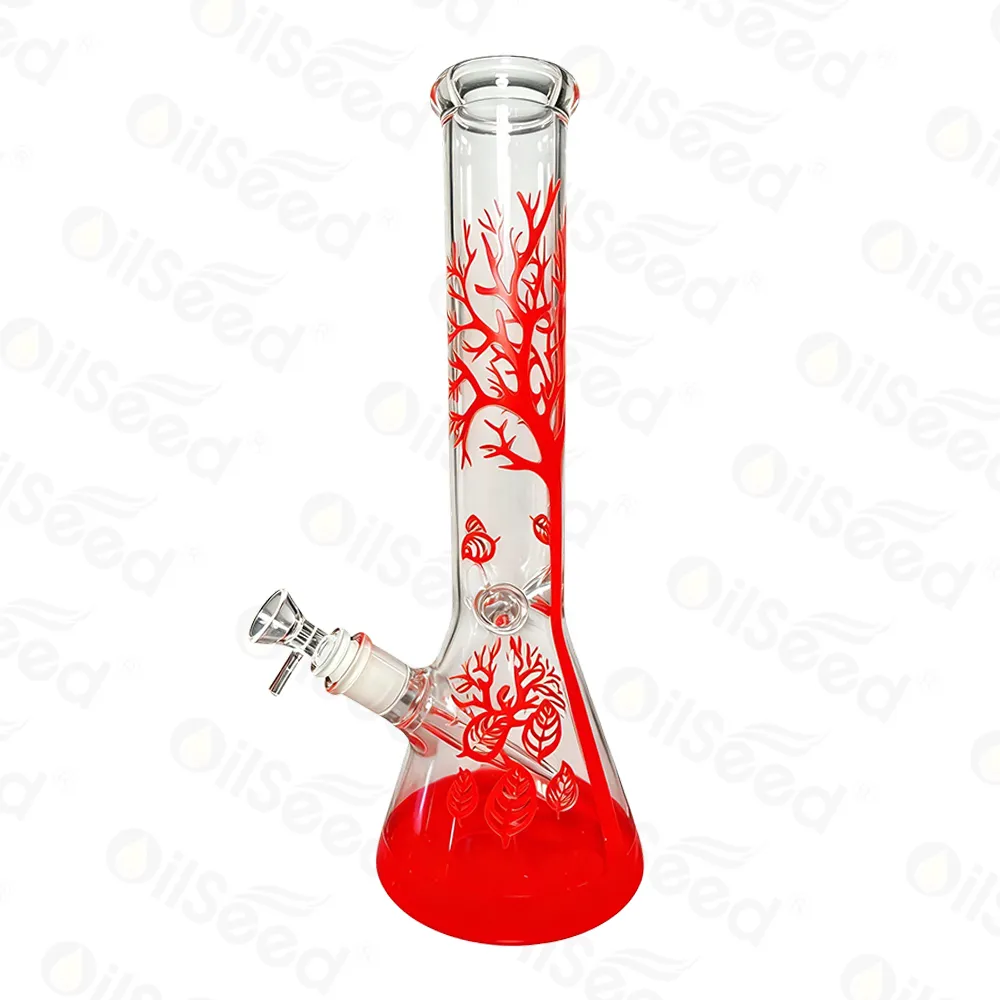
A limited product should have an exit plan.
When the planned quantity has been sold, the retailer needs to decide whether the SKU will be discontinued, replaced with another design, or potentially developed into a permanent product.
Remaining packaging materials also need consideration.
If the collection does not perform as expected, the buyer should avoid creating unnecessary additional inventory simply because materials remain available.
The commercial decision should be based on demand rather than production convenience alone.
Use Successful Designs as Development Signals
Limited editions can function as a product development laboratory.
A particular finish may generate strong demand.
A certain color combination may perform better than expected.
A specific packaging style may receive strong retailer feedback.
A visual theme may work particularly well for private-label customers.
These observations can influence future product development.
The limited collection therefore becomes a source of market information rather than simply a temporary marketing exercise.
Keep Production References for Future Collections
Even when a limited edition is not repeated, its production information can remain valuable.
The buyer should retain approved samples, artwork files, product specifications, packaging references, and quality standards.
If the design becomes popular later, the development process can be revisited without starting from zero.
A grinder wholesale supplier with organized production records can make this process significantly easier.
The archived reference can also help the buyer communicate precisely when developing a related future collection.
Use Low-MOQ Options Where Appropriate
Small-batch collections can be particularly relevant for brands that are testing new designs.
A lower MOQ can make experimentation more practical by reducing the amount of inventory required for an initial release.
However, MOQ should be evaluated alongside production cost, packaging requirements, artwork setup, and shipping efficiency.
A low quantity is not automatically the most economical choice.
The buyer should compare the total cost of a smaller run with the expected commercial value of the collection.
Keep Limited Editions From Overwhelming the Catalog
Too many limited products can create the same problem as too many permanent SKUs.
The catalog becomes difficult to manage.
Customers may struggle to understand which products are current.
Sales teams may have difficulty remembering availability.
Warehouses may need additional inventory locations.
A limited-edition strategy therefore works best when releases remain controlled.
The objective is to create occasional product freshness rather than constant SKU expansion.
Create a Repeatable Release Process
Once a brand decides that limited collections are useful, the process can become standardized.
Concept development.
Product selection.
Artwork preparation.
Sample approval.
Packaging development.
SKU creation.
Production planning.
Photography.
Sales preparation.
Launch.
Sell-through review.
Post-launch analysis.
A repeatable process allows each new collection to benefit from lessons learned during previous releases.
This is especially useful for brands that plan several seasonal or themed collections each year.
Protect the Core Business While Experimenting
The biggest advantage of limited-edition products is flexibility.
A retailer can introduce something new without changing its entire product strategy.
The core grinder range continues serving regular demand.
The limited collection creates an additional layer of interest.
If the limited products perform well, the retailer can explore related designs.
If they perform poorly, the core range remains available.
This separation allows experimentation without turning every product decision into a long-term inventory commitment.
Conclusion
A well-planned limited-edition strategy can add variety to a grinder category without destabilizing the core product range. The key is to treat limited products as structured commercial projects rather than simply adding new colors or designs whenever an opportunity appears.
For businesses purchasing through grinder wholesale, successful limited collections depend on clear concepts, controlled quantities, organized SKU systems, coordinated packaging, approved artwork, accurate product information, and realistic production planning.
Limited editions can also provide useful market feedback. Retailers can observe which designs attract actual purchases, which price positions work, and which visual directions deserve further development. These insights can eventually influence permanent products or future private-label collections.
The supplier’s role is equally important. A capable grinder wholesale partner can support small-batch production, custom finishes, packaging development, sample approval, product documentation, and future production references, allowing buyers to experiment without rebuilding the entire supply process for every release.
The strongest limited-edition programs maintain a clear boundary between experimentation and the core assortment. Regular products provide continuity, while temporary collections create opportunities for discovery and product refreshes.
When those two roles are managed together, limited-edition grinders can become a practical part of a broader wholesale strategy—giving retailers new products to introduce, giving brands more room for creative development, and giving suppliers opportunities to support more specialized product programs.