
A grinder category can look simple from the outside. A retailer chooses several designs, places them on shelves, and replenishes the products when inventory becomes low. In practice, however, building a profitable grinder assortment requires more thought. Customers rarely have identical budgets, preferences, or expectations, which means a single grinder style or price point is unlikely to serve every customer effectively.
For businesses purchasing grinder wholesale, the more useful question is not simply how many grinders should be ordered. It is how different products should work together within the same retail assortment.
A well-structured collection can include accessible entry-level products, dependable mid-range options, visually distinctive designs, and higher-value products that appeal to customers looking for premium features or presentation. Each product has a different commercial role, and the assortment becomes stronger when those roles are clearly separated.
This is particularly important for smoke shops and distributors managing limited shelf space. Adding more SKUs does not automatically create a better selection. If several products compete for exactly the same customer and occupy the same price position, the additional inventory may simply create duplication.
A more deliberate grinder wholesale strategy considers price architecture, product differentiation, shelf presentation, customer segmentation, packaging, replenishment, and the relationship between individual products and the wider accessory assortment.
A Grinder Collection Needs More Than One Price Level
Customers enter a retail store with different budgets.
Some may be looking for an affordable everyday grinder. Others may want a more distinctive design. Another customer may be interested in a premium product that feels more substantial or comes with enhanced presentation.
If a retailer stocks only one price range, it may unintentionally limit the number of customers who can find an appropriate product.
A tiered assortment creates more flexibility.
An entry-level group can provide accessible options. A mid-range group can represent the main body of the category. Premium products can provide higher-value alternatives.
The purpose is not to push customers toward a particular price level. Instead, the retailer creates a selection in which customers can compare meaningful differences.
Entry-Level Products Have a Specific Role
Entry-level grinders can be useful for customers who prioritize affordability and straightforward functionality.
These products do not necessarily need elaborate branding or complex presentation. Their value often comes from simple product design, practical packaging, and accessible pricing.
For a retailer, entry-level products can also provide a lower barrier for customers who are purchasing a grinder for the first time.
However, an entry-level product should still have a clear identity. If several low-cost SKUs are nearly identical, carrying all of them may not add much value to the assortment.
Mid-Range Products Often Create the Core of the Category
The middle of the price range is where many retailers can build a broader selection.
These products may offer more design choices, additional finishes, stronger packaging, or other characteristics that distinguish them from entry-level options without moving into the highest price tier.
A strong grinder wholesale assortment can use the mid-range category to introduce visual variety.
Different shapes, finishes, colors, and design concepts allow retailers to appeal to customers with different aesthetic preferences while maintaining a consistent overall price position.
The key is differentiation.
If every product looks almost identical, adding more SKUs does little to expand customer choice.
Premium Products Can Add Another Layer of Product Positioning
Premium grinders serve a different commercial purpose.
They can provide a higher-value option for customers who place greater emphasis on design, materials, finish, packaging, brand identity, or overall product presentation.
A retailer does not necessarily need a large number of premium SKUs.
A carefully selected group may be more practical than filling valuable shelf space with many expensive products that serve the same customer segment.
For distributors, premium products can also provide an opportunity to develop stronger private-label collections.
Custom branding and packaging can make premium products feel more like a complete brand offering rather than isolated accessories.
Product Differentiation Should Be Visible
A product assortment becomes easier to understand when customers can immediately see why products are different.
Differences may come from:
- Size
- Shape
- Material
- Finish
- Color
- Design language
- Packaging
- Brand identity
- Product configuration
Not every difference needs to be dramatic.
Small variations can be meaningful when they appeal to different customer preferences. The important point is that the assortment should avoid becoming a collection of products that are technically different but commercially interchangeable.
For grinder wholesale buyers, this means evaluating products from the perspective of the retail shelf rather than only from the supplier catalog.
Shelf Space Is a Limited Resource
A retailer can purchase hundreds of SKUs, but the physical store cannot display unlimited products.
Shelf space has a commercial cost.
Every product occupies a certain amount of display area, requires inventory management, and needs to justify its presence through customer interest or strategic value.
This makes assortment planning especially important for smaller smoke shops.
A retailer may prefer several highly differentiated grinders rather than a large number of similar designs.
The same principle applies to online stores. Although digital shelves are technically larger, excessive product duplication can still make navigation more difficult.
A clean assortment helps customers understand their choices without overwhelming them.
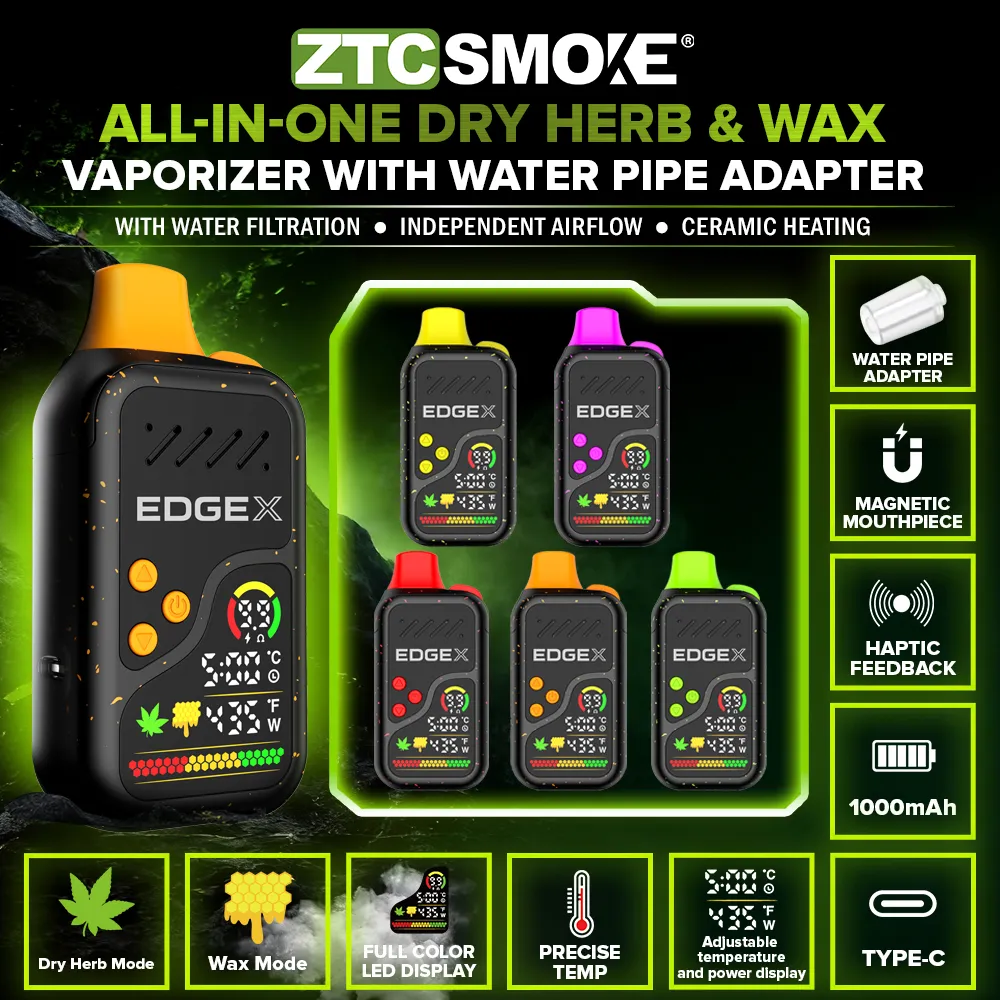
Color Can Create Variety Without Changing the Product Structure
Color is one of the simplest ways to create visual differentiation.
A proven grinder design can potentially be offered in several finishes or colors, allowing retailers to introduce variety without creating completely different product structures.
However, too many color variations can also create inventory complexity.
A retailer needs to balance customer choice with stock efficiency.
For smaller stores, a limited number of carefully selected colors may be more practical. Larger distributors may be able to support a broader range because their customer base is larger and more geographically diverse.
This is another reason why grinder wholesale purchasing should be based on the buyer’s actual sales environment rather than on catalog size alone.
Packaging Can Separate Product Tiers
Packaging can reinforce price positioning.
An entry-level grinder may use straightforward packaging that keeps costs controlled. A premium product may use more substantial packaging and a more developed visual identity.
The packaging does not have to be expensive simply for the sake of appearance.
Its purpose is to communicate the product’s position clearly and support the retailer’s overall presentation.
For private-label brands, this becomes particularly important because packaging can establish consistency across multiple accessory categories.
A grinder may share visual elements with a rolling tray, storage product, or smoking kit, creating a broader brand family.
Build Collections Instead of Isolated SKUs
One useful way to approach grinder wholesale is to think in collections.
Instead of asking which individual grinders should be purchased, a buyer can define several product groups.
For example, one collection might focus on accessible everyday designs. Another could focus on modern visual styling. A premium collection might emphasize elevated packaging and branding.
This structure gives each group a clear role.
It also makes merchandising easier because related products can be displayed together.
For distributors, collections can be particularly useful when presenting products to retail customers. Rather than sending a long list of unrelated SKUs, the distributor can show how products fit into different assortment strategies.
Cross-Category Merchandising Creates Additional Opportunities
A grinder does not exist in isolation within a smoke shop.
It can be presented alongside rolling trays, storage products, smoking kits, pipes, or other accessories.
Cross-category merchandising allows retailers to create connected product displays.
For example, a retailer could create a coordinated accessory section where grinders and rolling trays share similar colors or design themes. Another display could focus on premium products across several categories.
This approach can make the store feel more organized and give customers a broader view of the product range.
For buyers involved in smoking accessories wholesale, cross-category planning can also reduce the risk of building each product category independently.
Wholesale Buyers Should Consider Retail Margin Structure
Product selection is closely connected with retail economics.
A wholesale buyer needs to understand how different products fit within the store’s pricing structure.
A low-priced product may provide an accessible option, while a higher-priced product may create a different margin opportunity. The specific pricing model depends on the retailer, market, brand, and product cost.
The important consideration is balance.
If the entire assortment sits at one price level, the retailer may miss customers who are looking for something significantly different.
A multi-tier assortment allows the business to create more purchasing choices without requiring every product to compete directly with every other product.
Distributors Need Assortments That Can Work Across Different Retailers
A distributor faces a different challenge from an individual store.
One retail customer may prefer affordable grinders. Another may have a premium-oriented customer base. A third may focus heavily on private-label products.
A distributor therefore needs enough variety to support different account types without turning its own catalog into an unmanageable collection of similar products.
This is where clear product positioning becomes valuable.
A distributor can group grinders according to price tier, design direction, material, size, packaging, or branding options.
Retail customers can then select the product group that fits their own business model.
A professional smoke shop distributor USA can use this approach to make its grinder category easier for different accounts to navigate.
Private Label Can Turn a Product Category Into a Brand Asset
Private-label businesses have an opportunity to use grinders as part of a broader brand identity.
Rather than treating a grinder as a standalone product, the brand can connect it with other accessories through common visual elements.
Packaging, logo placement, typography, colors, product naming, and photography can all contribute to that connection.
A supplier offering OEM and ODM services can support this process by providing different product references while maintaining consistent branding requirements.
For businesses purchasing grinder wholesale, this can transform the category from a simple resale product into a recognizable component of a private-label collection.
Product Rotation Keeps the Assortment Fresh
Retailers do not necessarily need to replace successful products constantly.
However, introducing selected new designs can help keep the assortment visually fresh.
A practical rotation strategy might retain core products while periodically introducing limited new designs or finishes.
Older products can remain available when they continue to sell. New products can be tested alongside them rather than replacing everything at once.
This creates continuity without allowing the catalog to become static.
For wholesalers, regular product rotation can also provide customers with new reasons to review the catalog.
Avoid Creating Too Many Similar Products
More choice is not always better.
A retailer carrying ten grinders that differ only slightly may create confusion for both customers and staff.
A stronger approach is to identify meaningful gaps.
Does the assortment need a more affordable option?
Does it need a larger size?
Does it lack a premium design?
Does the collection need more color variety?
Does the private-label range require a product with different packaging?
These questions are more useful than simply asking which additional SKUs can be added.
For grinder wholesale buyers, assortment expansion should ideally solve a specific product or customer need.
Wholesale Planning Should Consider Replenishment
A product assortment is not successful if it cannot be replenished efficiently.
Buyers should consider which products are expected to become core sellers and which are intended as occasional or limited selections.
Core products may justify deeper inventory. Experimental designs may be purchased in smaller quantities until demand becomes clearer.
This creates a more balanced approach to purchasing.
It also allows retailers to protect cash flow while maintaining product variety.
Flexible MOQ options can be useful when introducing new designs because buyers can evaluate demand without immediately committing to the same quantity used for established products.
A Better Grinder Assortment Is About Structure, Not Volume
The strongest grinder wholesale strategy does not necessarily involve carrying the largest number of products.
It involves creating a collection where every important SKU has a reason to exist.
Entry-level products serve accessible price points.
Mid-range products provide variety and form the core assortment.
Premium products create higher-value alternatives.
Different colors and finishes introduce visual choice.
Private-label products build brand identity.
Limited designs keep the collection fresh.
Together, these roles create a more coherent retail category.
For distributors, this structure also makes it easier to present products to different types of customers. Instead of offering a catalog that feels like a long inventory list, the distributor can demonstrate how products fit into different retail strategies.
Building a More Flexible Grinder Wholesale Program
The grinder category can become more useful when buyers stop viewing it as a collection of individual products and start treating it as a structured retail system.
Price levels, design variety, shelf space, packaging, private-label branding, cross-category merchandising, and replenishment all influence how the category performs.
For retailers, a carefully structured assortment can make the purchasing process more deliberate while giving customers clearer choices. For distributors, organized product tiers can make it easier to serve different account profiles. For private-label brands, grinders can become part of a wider visual and commercial identity.
A capable grinder wholesale supplier can support this process by offering varied product options, flexible quantities, customization capabilities, consistent product information, and packaging solutions that allow buyers to build collections rather than simply accumulate SKUs.
The result is a more intentional product category—one where each grinder has a defined commercial role and the overall assortment feels connected.
In wholesale retail, that distinction matters. The goal is not to put more products on the shelf. It is to make the products on the shelf work better together.