
In a competitive retail environment, customers rarely evaluate every product in a store independently. They notice colors, packaging, product groupings, visual themes, and the overall impression created by the merchandise around them. A collection that feels coherent can be easier to understand than a shelf filled with unrelated products, even when both displays contain a similar number of items. For businesses involved in cannabis accessories wholesale, this creates an opportunity to help retailers present products as meaningful collections rather than disconnected individual purchases.
Retail storytelling is the process of connecting products through a recognizable theme, visual identity, or customer need. It does not require elaborate promotional language or an expensive display installation. A simple combination of consistent packaging, related design elements, clear product descriptions, and thoughtful grouping can help customers understand why products belong together. The story may focus on a visual style, a coordinated brand identity, a gift-oriented presentation, or a collection built around complementary accessories.
For a professional cannabis accessories wholesale buyer, the commercial value lies in making product relationships easier to communicate. Retailers can use coherent collections to organize their stores, explain product differences, and create a more recognizable shopping experience. Distributors and suppliers can also benefit because a clearly structured collection gives sales teams a stronger way to present several products together without relying exclusively on discounts.
The objective is not to make every item look identical. A successful collection preserves meaningful differences while establishing enough common ground for customers to recognize the relationship between products.
Why Customers Respond to Coherent Product Collections
A retail shelf communicates information before a salesperson says a word. Customers can quickly notice whether products share a visual style, whether their packaging looks related, and whether the assortment appears organized around a clear idea. When those relationships are easy to recognize, the collection may feel more intentional and easier to navigate.
By contrast, a group of unrelated products can create unnecessary decision-making effort. A customer may need to compare each item independently, while the retailer has fewer opportunities to explain how different products fit into a broader range. This does not mean variety is undesirable. Variety is often essential, but it becomes more useful when customers can understand the differences between products and the logic behind their presentation.
For retailers sourcing through smoking accessories wholesale, a coherent collection can create a practical structure for product organization. Items may share a color palette, a packaging style, a design theme, or a recognizable brand identity while serving different purposes. This gives the store a visual framework without eliminating the variety that customers expect.
Suppliers can support this process by identifying genuine relationships between products. If several items were designed to work as a collection, their shared characteristics should be communicated clearly. If the relationship is primarily visual, the marketing should present it as a coordinated design family rather than implying that the products have technical compatibility or functional relationships that have not been verified.
Start With a Clear Collection Theme
Every collection benefits from a simple organizing idea. The theme should be broad enough to accommodate several products but specific enough to distinguish the collection from unrelated merchandise. It may be based on a particular design language, a consistent color direction, a brand identity, or a defined retail presentation.
A collection built around minimalist design, for example, might use restrained graphics, simple product names, and consistent packaging. Another collection might emphasize expressive colors or decorative artwork. A private-label brand may organize products around its established identity rather than introducing a separate theme for every product category.
The theme should be chosen according to the intended customer and retail environment. A design-led boutique may prefer a distinctive visual direction, while a retailer seeking a broad and adaptable assortment may need a more neutral presentation. There is no universally correct theme; the important point is that the chosen direction should be recognizable and commercially relevant.
For cannabis accessories wholesale businesses, defining the theme early helps prevent the collection from becoming a random mixture of products. Buyers and suppliers can use the theme as a reference when reviewing new additions, packaging changes, photography, and promotional materials.
A clear theme also makes it easier to explain the collection in a few sentences. If a sales representative cannot describe what connects the products, the collection may need a more focused identity before it is introduced to retail customers.
Build Connections Between Products Without Making Them Identical
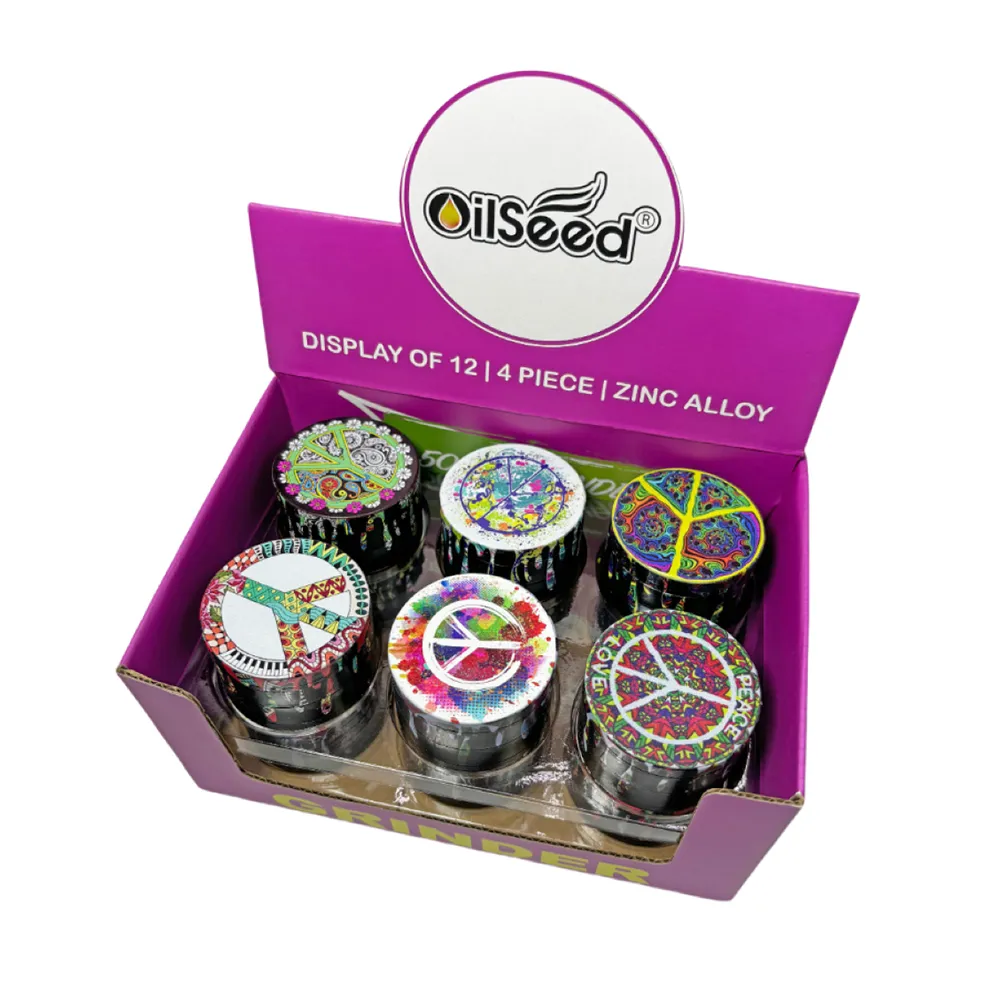
A strong collection uses shared elements to establish recognition while preserving individual product identities. Those shared elements might include a logo treatment, a limited color palette, a recurring graphic detail, consistent typography, or a related packaging structure. Each product can remain visually distinct while still belonging to the same family.
The balance matters because excessive uniformity can make a collection feel repetitive. If every product has nearly the same appearance, customers may struggle to understand why several versions are necessary. On the other hand, if each product follows an entirely different visual direction, the connection between them may be difficult to recognize.
Retailers and distributors should therefore identify which elements need to remain consistent and which can vary. Brand marks and core typography may remain stable, while colors, decorative patterns, or product-specific imagery can change according to the individual item.
A cannabis accessories wholesale supplier can help by providing a simple collection guide that identifies the shared design elements and explains how each product fits into the wider range. This is particularly useful for private-label projects, where a retailer wants to maintain brand recognition across multiple accessory categories.
The guide does not need to be a lengthy branding manual. A concise reference showing approved logos, colors, product names, packaging styles, and image treatments may be enough to keep the collection visually consistent as it expands.
Use Packaging to Communicate the Collection’s Identity
Packaging is one of the most visible connections between products. When several items use related packaging principles, customers can recognize their relationship even if the products themselves have different shapes, materials, or functions.
Consistent packaging does not mean using identical boxes for every item. Different products may require different dimensions, protective materials, or information layouts. Instead, consistency can be established through the placement of brand elements, typography, color relationships, and the way essential product information is presented.
The packaging should also remain practical. A visually attractive package that provides inadequate protection or makes important information difficult to read can undermine the overall presentation. Product protection, storage requirements, labeling accuracy, and relevant market obligations should remain central considerations.
For buyers engaged in smoking accessories wholesale, packaging offers an opportunity to connect products without requiring every item to undergo a major redesign. A consistent brand mark or coordinated information panel may be sufficient to create a recognizable family, depending on the existing product identity.
Suppliers should also ensure that the packaging accurately represents the product inside. Photographs, color descriptions, material information, and product names should correspond to the correct item and variation. A cohesive collection is more credible when the visual presentation is supported by reliable product information.
Make Product Names and Descriptions Work Together
A collection’s identity can become confusing when product names follow unrelated naming systems or descriptions use inconsistent terminology. Even when the products look similar, buyers may have difficulty recognizing their relationship if one item is described by its material, another by a color, and another by a vague promotional phrase.
A consistent naming system helps customers understand the collection while preserving the identity of each product. Names can combine a collection name with a specific product descriptor or variation, provided that the structure remains clear and does not obscure important distinctions.
Descriptions should follow a similar principle. Each product needs its own accurate explanation, but the language should remain consistent in tone and level of detail. Product dimensions, materials, finishes, packaging details, and other relevant specifications should be presented in a predictable format.
For a cannabis accessories wholesale supplier, this consistency is especially valuable when the catalog contains products from several categories. A retailer should be able to move between product pages without encountering radically different naming conventions or unclear descriptions.
The same structure helps sales teams. Representatives can introduce the collection, explain its shared identity, and then highlight the features that distinguish each item. This creates a more natural sales conversation than presenting a series of unrelated products with no connecting idea.
Design a Retail Presentation That Supports the Story
The collection’s story should be visible in the way products are presented. A coordinated group may be displayed together, introduced through a common visual element, or supported by simple signage explaining the collection’s identity. The presentation should make the relationship between items easier to recognize without overwhelming the store’s existing layout.
Retailers should consider the physical environment before deciding how much space a collection deserves. A small store may have limited display capacity and need a compact presentation, while a larger retailer may be able to dedicate more space to a coordinated product family. The appropriate approach depends on available room, customer traffic, product dimensions, and the role of the collection within the broader assortment.
Visual hierarchy is important. The collection name or primary visual element should be easy to identify, while product-specific information should remain accessible. If the display contains too many competing colors, signs, or decorative elements, the intended story may become difficult to understand.
Businesses involved in smoking accessories wholesale can help retailers by providing accurate product images, concise descriptions, and suggested grouping concepts. These materials should be adaptable rather than requiring every store to reproduce an identical display. Different retailers have different layouts, customer preferences, and merchandising priorities.
The aim is to give retailers a useful starting point while allowing them to adapt the presentation to their own environment.
Make Online Product Collections Feel Equally Cohesive
Retail storytelling should extend beyond physical stores. Online customers often encounter products through search results, category pages, product recommendations, and individual product pages rather than through a complete collection displayed in one place.
A coherent online collection therefore needs more than matching product photographs. It requires consistent naming, accurate descriptions, clear relationships between products, and navigation that helps customers understand the range.
Collection landing pages can introduce the shared theme and direct visitors to individual products. Product pages should then provide the specifications and images needed to evaluate each item independently. Related-product links can help customers discover other members of the collection, but those links should reflect genuine relevance rather than being added simply to increase the number of products displayed.
For suppliers supporting retailers through cannabis accessories wholesale, a useful digital content package may include product images, approved descriptions, collection-level text, product identifiers, and clear information about available variations. Retailers can adapt these materials for their own websites while retaining accurate product facts.
Descriptions should not be copied mechanically across every retailer’s website. Retailers may need their own editorial voice, category structure, and customer-focused explanations. Suppliers can provide a reliable factual foundation without requiring every partner to publish identical marketing copy.
Consistent and specific product information also makes collections easier to understand across digital channels, especially when buyers and customers compare several related items.
Use Product Stories to Support Sales Conversations
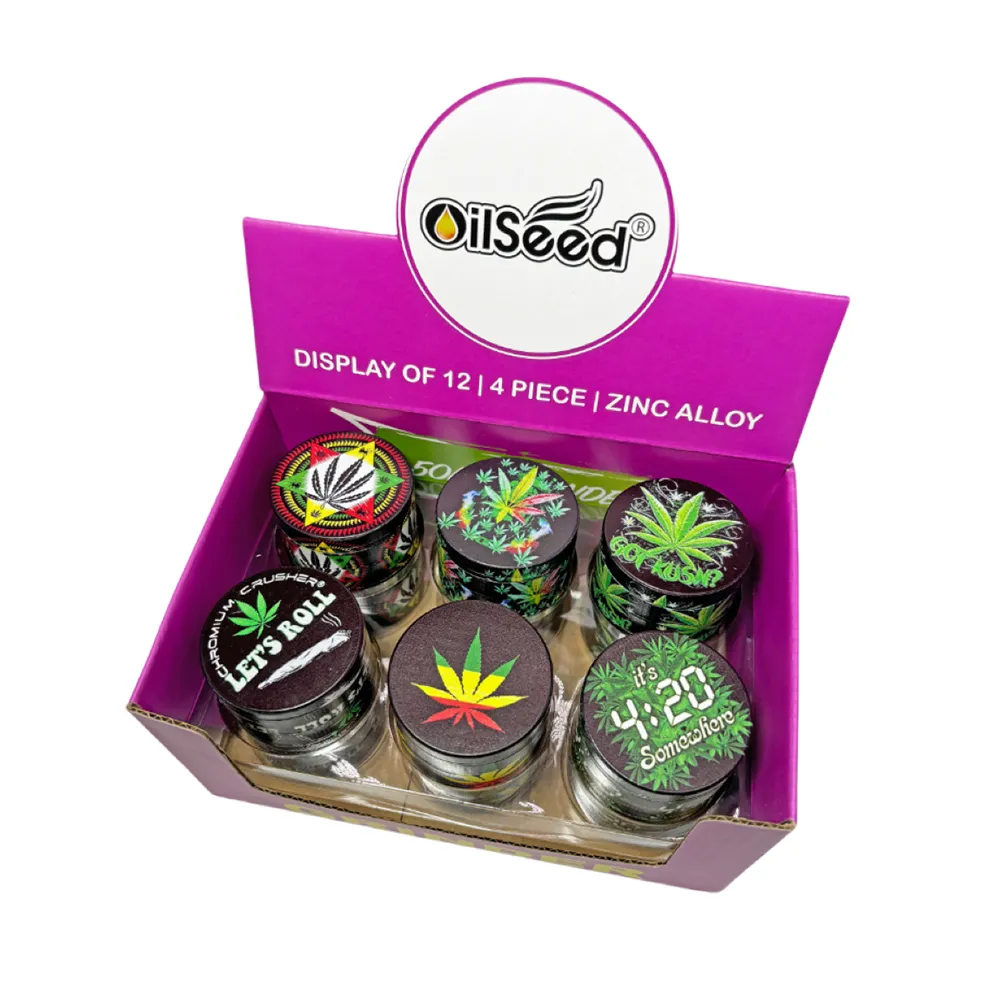
A product story gives sales representatives a more useful way to introduce a collection. Rather than listing individual items one by one, they can explain the common theme, identify the intended retail role, and show how different products contribute to the collection.
The story should be based on genuine product characteristics. A collection may be connected by its visual design, coordinated packaging, brand identity, or intended retail presentation. Sales teams should not invent claims about manufacturing origins, materials, durability, or performance simply to make the story more compelling.
A practical sales presentation can begin with the collection’s main idea, continue with a few representative products, and then explain the available variations. Buyers should also receive clear information about dimensions, packaging, ordering requirements, and customization options where relevant.
For smoking accessories wholesale businesses, this approach can make account conversations more focused. Retailers can understand the overall concept before reviewing the details of individual items, while sales representatives can identify which parts of the collection are most relevant to the customer’s store.
The story should remain flexible. A retailer may choose only a few products from the collection, and the supplier should be able to explain how those selections fit the broader concept without implying that the entire range must be purchased together.
Avoid the Common Mistake of Over-Branding Every Product
Brand consistency is valuable, but excessive branding can reduce visual clarity. Large logos, repetitive slogans, crowded packaging, and too many competing design elements may make a product difficult to understand or distract from its own distinctive characteristics.
A more disciplined approach establishes a hierarchy. The brand identity should be recognizable, the product name should be clear, and the most relevant product information should be easy to locate. Decorative elements should support these priorities rather than compete with them.
The appropriate balance depends on the brand. A highly expressive identity may intentionally use bold graphics, while a minimalist brand may rely on restrained typography and limited color. What matters is that the design choices are deliberate and consistent with the collection’s positioning.
Private-label buyers should also consider how the brand will appear across different product sizes and packaging formats. A logo that looks balanced on one package may become too large or difficult to read on another. Design systems should be adaptable enough to preserve recognition without forcing every product into the same layout.
For businesses involved in cannabis accessories wholesale, restraint can be as important as creativity. A collection does not need to communicate every brand message on every package. A clear identity, accurate product information, and a recognizable relationship between products often provide a stronger foundation for retail presentation.
Measure Whether the Collection Is Working
A visually cohesive collection should still be evaluated against its commercial purpose. Attractive packaging and positive feedback can be useful indicators, but they do not automatically demonstrate that the collection is helping retailers achieve their objectives.
Businesses can examine several measures, including the number of products adopted by retail accounts, repeat purchasing, sales distribution across the collection, customer questions, and feedback from sales representatives. Retailers may also be able to explain whether the products are easy to group, whether the visual identity is recognizable, and whether customers understand the differences between items.
Results should be interpreted in context. A product may perform differently because of price, store location, product availability, seasonality, or customer demographics. A slow-selling item does not necessarily mean that the collection concept is unsuccessful, just as strong sales for one product do not prove that every product in the collection is equally effective.
The most useful review identifies what the evidence suggests and what still needs to be tested. If customers recognize the collection but struggle to distinguish individual items, product descriptions or visual identifiers may need improvement. If retailers like the concept but find the packaging difficult to display, the presentation may need adjustment.
For cannabis accessories wholesale businesses, this kind of review turns retail storytelling into a practical commercial discipline rather than a purely creative exercise.
Conclusion
Retail storytelling can help transform a group of accessories into a more recognizable and coherent product collection. Through a clear theme, coordinated packaging, consistent naming, accurate descriptions, and adaptable retail presentation, businesses can make product relationships easier for customers to understand and retailers to communicate.
For companies operating in cannabis accessories wholesale, the objective is not to make every product identical or rely on branding to compensate for weak product differentiation. It is to connect genuinely related products through a consistent identity while preserving the features that make each item distinct.
When product design, packaging, digital content, and sales communication reinforce one another, retailers gain a more practical way to present the collection, and suppliers gain a clearer way to explain its commercial value. By building coherent product stories around real characteristics and customer needs, wholesale businesses can strengthen brand recognition and support more effective B2B retail partnerships.