
In a competitive retail market, carrying a broad selection of products does not automatically give a business a recognizable identity. Two retailers may offer similar glassware, grinders, rolling trays, storage products, and other smoking accessories, yet one creates a distinctive shopping experience while the other competes primarily on price. The difference often comes from how products are selected, presented, branded, and organized into a coherent commercial offering.
For businesses involved in cannabis accessories wholesale, product differentiation is therefore more than a design decision. It is a purchasing and brand-development strategy that helps retailers, distributors, and private-label companies establish a clearer position in their respective markets. Instead of selecting products only because they are popular or inexpensive, buyers can evaluate how each item contributes to their overall assortment, supports their target customer, and distinguishes their business from competing sellers.
This challenge becomes particularly important when multiple retailers source from similar manufacturing networks. Standard products may provide a dependable foundation, but a business that relies exclusively on widely available items can find it difficult to communicate a unique identity. Thoughtful differentiation does not require every product to be completely new or custom-made. It requires a deliberate combination of product design, collection planning, branding, packaging, and commercial positioning.
For SmokeOrigin and other suppliers serving smoke shops, wholesalers, distributors, and private-label brands, the opportunity lies in helping buyers move beyond individual product selection toward a more intentional product strategy. A well-planned assortment can create recognizable brand characteristics while preserving the flexibility needed for practical wholesale purchasing.
Why Product Differentiation Matters in Wholesale Markets
Wholesale buyers frequently face similar commercial pressures: customers compare prices, retailers need products that fit their store identity, and distributors must balance variety with manageable product ranges. When competing businesses carry nearly identical products with similar descriptions and presentation, price can become one of the most visible points of comparison.
Price competition is not always avoidable, but it becomes more difficult to escape when buyers cannot explain what makes their product offering distinctive. A retailer may stock a quality grinder or glass product, yet if comparable items appear everywhere with the same generic presentation, the retailer has limited ways to build recognition around that selection.
Differentiation gives the business more dimensions on which to compete. These may include a recognizable visual style, a carefully selected collection, a specific approach to packaging, exclusive color combinations, original product configurations, or a consistent private-label identity.
For cannabis accessories wholesale buyers, the goal is not to make every product unusual. Excessive novelty can make a product line difficult to manage and can weaken the connection between individual items. Instead, buyers should identify which characteristics matter most to their target market and invest in those areas deliberately.
A differentiated assortment also makes communication easier. Sales teams can explain why a collection exists, which customer needs it addresses, and how its products relate to one another. Retailers can then present a clearer identity rather than relying on a disconnected assortment of unrelated products.
Start With a Clear Market Position Before Choosing Products
Product differentiation works best when it begins with a defined commercial position. Before requesting custom colors, distinctive shapes, or branded packaging, buyers should understand what they want their business to represent.
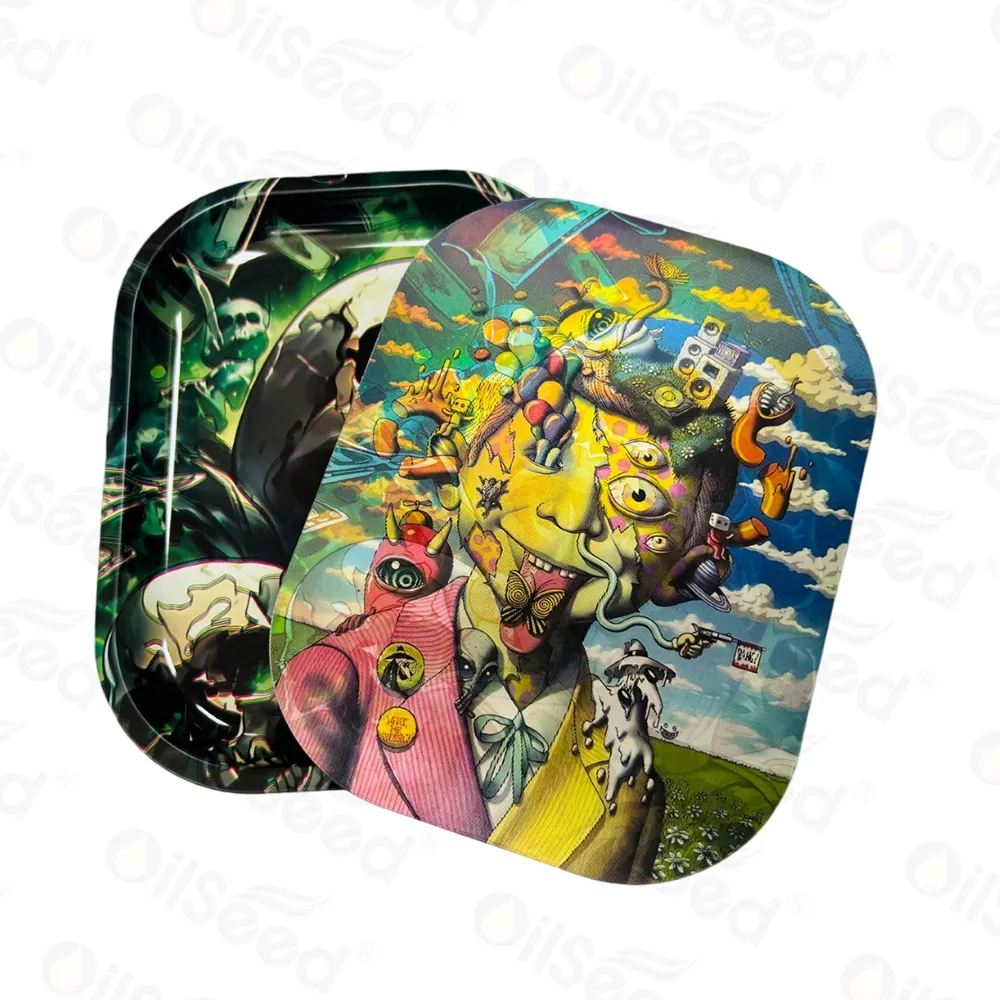
A retailer serving customers who prefer minimalist design may prioritize restrained colors, clean product lines, and consistent packaging. Another business may focus on expressive artwork, distinctive visual themes, or gift-oriented presentation. A distributor serving several types of retail accounts may need a broader strategy that allows different collections to serve different market segments.
These approaches are not mutually exclusive, but each requires a clear purpose. Without one, customization can become a sequence of disconnected decisions driven by whichever design appears attractive at the time.
Define the Customer You Want to Reach
Buyers should begin by describing the customer the product line is intended to serve. Consider the customer’s purchasing preferences, preferred design language, expectations for packaging, and the type of retail environment in which the products will appear.
The objective is not to assume that all customers within a market behave alike. Rather, it is to develop a practical hypothesis that can guide product selection and be tested through sales results and customer feedback.
Identify the Brand Characteristics Worth Owning
A business should select a limited number of recognizable characteristics that can appear consistently across its products. These may include a color system, a packaging style, a visual theme, a naming convention, or a particular approach to material and finish selection.
Consistency is more useful than adding a new visual feature to every product. When the same brand characteristics appear across related items, customers have a better chance of recognizing the collection as a unified offering.
Translate Positioning Into Purchasing Requirements
Once the intended position is clear, buyers can turn it into practical requirements for suppliers. Instead of requesting something broadly described as premium or unique, they can specify the relevant design elements, approved colors, packaging expectations, logo placement, and product variations.
This gives manufacturers a more precise brief and makes sample evaluation more objective. It also reduces the risk of spending time on customization that does not contribute meaningfully to the intended market position.
Build Differentiation Across the Entire Product Collection
A recognizable brand rarely depends on one isolated item. It usually emerges from the relationship between several products that share a coherent identity while serving different purchasing needs.
For a business sourcing cannabis accessories wholesale, collection planning should consider how products work together. Grinders, rolling trays, glassware, storage products, and related accessories can be organized into a collection through shared colors, compatible visual themes, consistent naming, and coordinated packaging.
This does not mean every item must look identical. In fact, excessive uniformity can make a collection feel repetitive and reduce the usefulness of having multiple product categories. The better approach is to define a recognizable visual framework while allowing each product type to retain its own functional and design characteristics.
A collection might use a consistent packaging layout and naming system while offering different product shapes, sizes, or finishes. Buyers could also organize products into related design families, allowing retailers to select a complete collection or introduce selected items without losing the overall brand connection.
The commercial advantage is flexibility. A retailer can start with a limited selection and add complementary products later, while a distributor can present a recognizable collection to multiple accounts with different assortment requirements.
Use Customization to Create Meaningful Differences
Customization can strengthen product differentiation, but not every customized detail creates meaningful market value. Buyers should distinguish between changes that improve recognition or fit a clear customer preference and changes that add complexity without making the product more compelling.
Color and Finish Selection
Color is often one of the most visible ways to distinguish a product line. A coordinated palette can connect several product categories, while a distinctive finish may help an item stand apart from standard alternatives.
However, buyers should evaluate colors in the context of the complete collection. A color that looks attractive on one item may not translate well across other materials or product shapes. Approved samples and clear color references help reduce differences between the intended design and the finished product.
The objective is to create a repeatable visual identity rather than a collection of unrelated color experiments.
Logo Placement and Brand Recognition
Logo customization can make a product identifiable, but placement and scale should reflect the product’s design and intended presentation. An oversized logo may overwhelm a simple design, while a logo that is difficult to see may contribute little to recognition.
Buyers should review the logo in relation to the product’s physical dimensions, finish, packaging, and other visual elements. For products sold as a collection, consistent logo treatment can connect different categories without requiring identical layouts.
Artwork files, placement references, color specifications, and approval records should be maintained so repeat production remains aligned with the approved design.
Packaging as Part of the Product Identity
Packaging can reinforce the visual character of a product and help retailers organize related items. A coordinated packaging system may use shared typography, consistent information placement, and recognizable color elements across several categories.
The design must still reflect the product’s actual packaging requirements. Fragile products may need protective internal structures, while other items may be better suited to compact retail packaging. Visual consistency should not come at the expense of practical protection or accurate product information.
For B2B buyers, the strongest packaging programs combine recognizable design with clear product identification, efficient handling, and appropriate protection.
Balance Standard Products With Private-Label Development
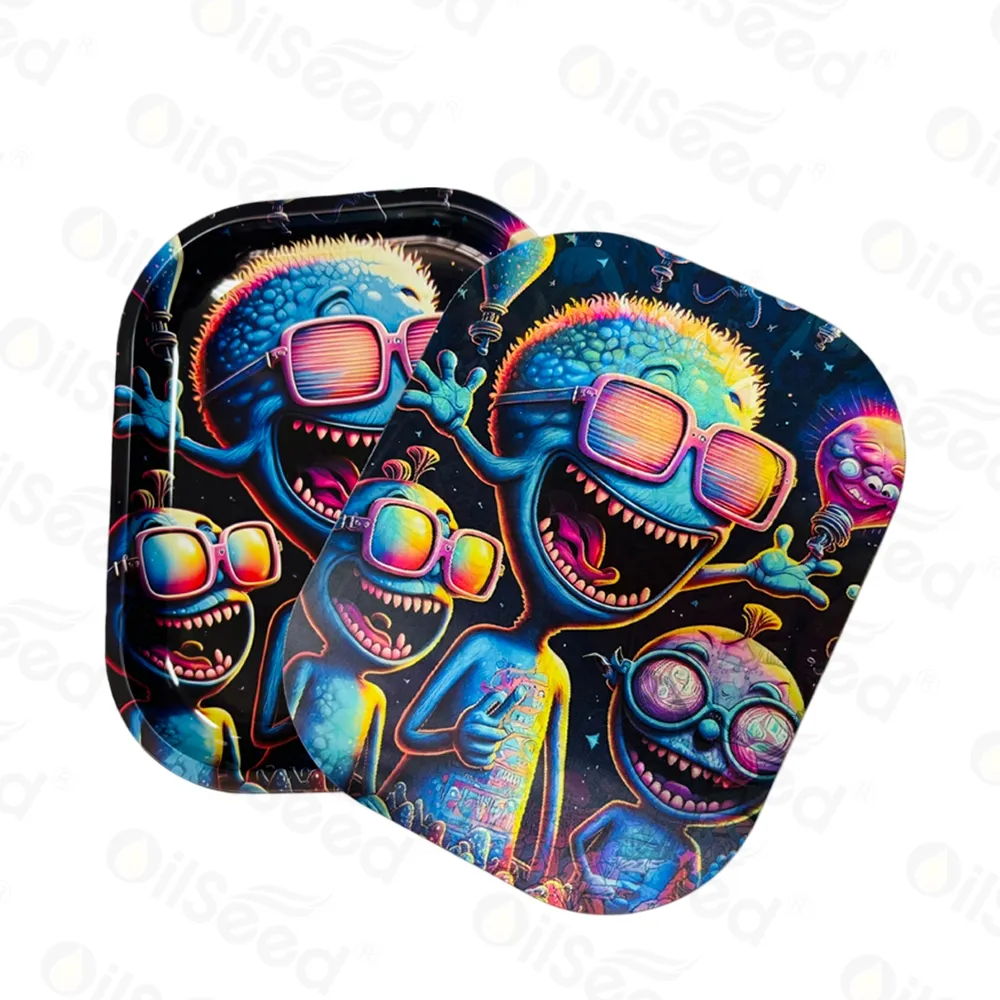
A differentiated product strategy does not require every item to be developed from scratch. Standard products can provide a useful foundation, while selected customized products create stronger brand recognition.
This balance allows buyers to focus development resources on the products where differentiation is most meaningful. Established standard items may support a broad assortment, while customized versions can give a private-label collection a more distinctive identity.
The right balance depends on the business model. A retailer building its first private-label range may prefer to introduce a small number of branded products before expanding the collection. A larger distributor may use standard products across many customer accounts while developing selected customized lines for specific partners.
Buyers should also define which elements are standard and which are customer-specific. A product may use an existing design with customized packaging, or it may require changes to color, logo placement, materials, or other specifications. Each option creates different development requirements and should be documented accordingly.
When sourcing cannabis accessories wholesale, clear customization boundaries help prevent misunderstandings about what the supplier will produce, what the buyer must approve, and which elements can be repeated in future orders.
Evaluate Product Differentiation Through Samples and Buyer Feedback
An original design is not automatically a commercially effective design. Buyers should evaluate whether the proposed difference is visible, relevant to the intended customer, and practical for the planned retail environment.
Samples provide an opportunity to examine the physical product rather than relying exclusively on digital mockups. Buyers can review proportions, finish, logo visibility, packaging quality, and how the item relates to other products in the collection.
Where several design directions are being considered, the evaluation criteria should be defined in advance. For example, buyers may compare visual recognition, consistency with the brand identity, clarity of product information, suitability for display, and ease of integrating the item into the existing range.
Feedback should also come from people who understand the intended market. Depending on the business, this may include retail buyers, store managers, sales representatives, or selected customers. Their opinions should be recorded as evidence to consider rather than treated as a substitute for commercial testing.
A practical test may begin with a limited product release, a selected group of retail accounts, or a small number of stores. The business can then observe actual purchasing behavior, customer questions, reorder patterns, and feedback before deciding whether to expand the design.
This process helps separate genuine differentiation from novelty that looks impressive during development but does not provide a lasting reason for customers to choose the product.
Protect Brand Consistency as the Collection Expands
Once a product line gains traction, new variations can create opportunities for expansion. However, uncontrolled additions may weaken the identity that made the collection recognizable in the first place.
A business should maintain a simple set of brand and product rules covering approved colors, logo usage, packaging structure, product naming, photography style, and the relationship between different collections. These guidelines do not need to restrict every design decision. Their purpose is to preserve recognizable characteristics while allowing controlled development.
New products should be evaluated against the existing collection before approval. Buyers can ask whether the new item fills a genuine gap, complements current products, or introduces a useful variation. If the only justification is that the design is different, the business may need a stronger commercial reason to proceed.
Version control is also important. When artwork, packaging, or product specifications change, the business should record which version has been approved and ensure that purchasing documents and sales materials reflect the correct version.
For distributors serving multiple retailers, these controls help preserve consistency even when products are sold through different channels. They also make it easier to maintain a recognizable brand as the product range grows.
Measure Whether Differentiation Is Creating Business Value
Product differentiation should be assessed through more than aesthetic preference. Buyers need to understand whether the strategy contributes to their commercial objectives.
Useful indicators may include repeat-order behavior, adoption by target retail accounts, customer recognition, demand for complementary products, and the performance of customized items relative to comparable standard products. The relevant measures depend on the original purpose of the development program.
If the goal is to establish a private-label identity, buyers may pay particular attention to customer recognition and repeat purchases. If the goal is to attract a specific retail segment, account adoption and feedback may provide more useful evidence.
The business should also examine whether a differentiated product creates new operational challenges. Customization may require additional approvals, distinct product references, or more complex packaging coordination. These factors should be considered alongside the commercial results rather than ignored until they become disruptive.
A review process helps determine whether to expand a successful design, refine an underperforming product, or discontinue a variation that does not justify its place in the collection.
How SmokeOrigin Can Support Differentiated B2B Product Programs
For wholesalers, distributors, smoke shops, and private-label brands, supplier cooperation can play an important role in translating a market position into a practical product program. Clear development briefs, approved samples, consistent product information, and documented customization requirements help both parties work toward the same result.
SmokeOrigin supports B2B buyers through smoking accessories, glassware, OEM, ODM, private-label, custom-branding, custom-packaging, and product-development programs. Buyers can use these capabilities to explore how selected product categories might share a recognizable visual identity while maintaining their individual characteristics.
A productive development process begins with a clear brief. Buyers should identify the intended customer, the desired design direction, the product categories involved, the customization requirements, and the information needed for approval. The supplier can then clarify which elements can be achieved through existing product options and which require additional development.
Before moving into production, both parties should confirm the approved specifications, artwork, packaging details, product references, and any agreed order requirements. These records create a reliable reference for repeat orders and future extensions of the collection.
For businesses involved in cannabis accessories wholesale, the goal is to build a product identity that is recognizable, commercially relevant, and practical to maintain. Supplier collaboration is most valuable when it supports that goal through clear communication and controlled execution rather than customization for its own sake.
Conclusion
Product differentiation gives wholesale buyers a way to compete through more than price alone. A clear market position, coordinated product collections, meaningful customization, consistent branding, controlled development, and practical market testing can all help create a more recognizable commercial offering.
For businesses sourcing cannabis accessories wholesale, differentiation should begin with an understanding of the customer and continue through every stage of product selection, design approval, packaging, presentation, and collection expansion. The objective is not to make every product unusual, but to create a coherent range that reflects the business’s identity and gives buyers a clear reason to choose it.
With a defined strategy and reliable supplier coordination, retailers, wholesalers, distributors, and private-label brands can develop product programs that are easier to recognize, more consistent to manage, and better aligned with long-term business goals.