
In international wholesale purchasing, a product can meet a buyer’s design expectations and offer an attractive price while still presenting commercial risks that are easy to overlook. Missing material information, unclear product labeling, unsupported marketing claims, or incomplete documentation can create problems after an order has been placed. For retailers, distributors, and private-label brands, these issues may affect product listings, import planning, customer communication, and the ability to sell products in their intended markets.
For businesses involved in cannabis accessories wholesale, reviewing compliance-related information before confirming an order is an important part of responsible procurement. The objective is not to assume that every accessory is subject to the same rules. Requirements vary according to the product’s construction, intended use, destination, marketing claims, and applicable federal, state, and local regulations. Instead, buyers need a repeatable process for identifying which requirements apply and obtaining appropriate evidence before committing to a shipment.
This process is particularly important for international B2B transactions. A manufacturer may be familiar with the requirements in its domestic market but less familiar with the rules that apply to a distributor selling into a particular U.S. state. Likewise, a buyer may understand local retail requirements but lack complete information about the materials, components, or manufacturing claims associated with a product.
A structured review helps both parties identify questions early, assign responsibility for resolving them, and avoid relying on assumptions. When compliance information is treated as part of the purchasing process rather than an administrative task completed at the last minute, businesses can make better sourcing decisions and build more reliable supplier relationships.
Why Compliance Review Should Begin Before the Purchase Order
Many procurement problems develop because compliance questions are raised only after the commercial terms have been agreed. By that point, the buyer may have approved artwork, paid a deposit, arranged promotional activities, or committed to a delivery schedule. Discovering that a label needs revision or that a product claim cannot be substantiated may require additional work and delay the launch.
An earlier review allows buyers to examine product suitability while alternative options are still available. If a particular material, label format, or intended-use statement creates uncertainty, the buyer can request clarification before approving the design or placing a substantial order.
For a cannabis accessories wholesale business, the first step is to identify the product’s actual category and intended market. A glass accessory, storage container, grinder, electronic device, and product marketed with health-related claims may raise very different questions. It would be inaccurate to apply one universal checklist to all of them.
The buyer should therefore begin with a product-specific review. What is the product made from? How is it marketed? Where will it be sold? Does it include electrical components, batteries, coatings, or other features that may trigger additional requirements? Will the buyer sell it under a private label, and who is responsible for the final packaging and claims?
These questions help define the scope of the review before money is committed. They also prevent businesses from spending time collecting irrelevant documents while overlooking requirements that genuinely affect the product.
Identify Which Rules Apply to Each Product Category
The term “smoking accessories” covers a broad range of products, and the applicable rules may differ substantially across categories. Buyers should not assume that a requirement applicable to one product automatically applies to every other item in the catalog.
The review should consider the product’s physical characteristics, intended function, sales claims, and destination. Depending on these factors, relevant requirements may involve consumer product safety, material restrictions, electrical safety, battery transportation, labeling, packaging, advertising claims, or other obligations.
For products sold in the United States, federal requirements may coexist with state and local rules. Certain requirements may depend on where the product is distributed, whether it is sold directly to consumers, and whether it falls within a regulated product category. Buyers should verify the current rules relevant to their specific transaction rather than relying on a general statement that a product is “compliant in the USA.”
Build a Product-Specific Requirement List
A practical starting point is to create a short requirement list for each product family. The list should identify the intended market, the main product characteristics, the documents or evidence required, and the person responsible for verifying each item.
For example, a non-electrical glass accessory may require a different review from a battery-powered device. An item sold with specific performance claims may also require additional evidence to support those claims.
The purpose of the list is not to create unnecessary paperwork. It is to make the review consistent and ensure that important questions are answered before approval.
Verify Requirements for the Intended Destination
A supplier’s previous experience exporting to the United States can be useful, but it does not automatically establish that every product meets every requirement in every state. Buyers should identify their intended distribution areas and check whether relevant local restrictions or product-specific obligations apply.
Where the legal position is uncertain, qualified legal or regulatory advice may be necessary. This is particularly important when product classification depends on intended use, design features, or the wording of marketing claims.
For bulk smoking accessories orders containing multiple categories, each product family should be reviewed according to its own characteristics. A general declaration covering an entire shipment may not answer the specific questions associated with every item.
Verify Material Information and Supplier Claims
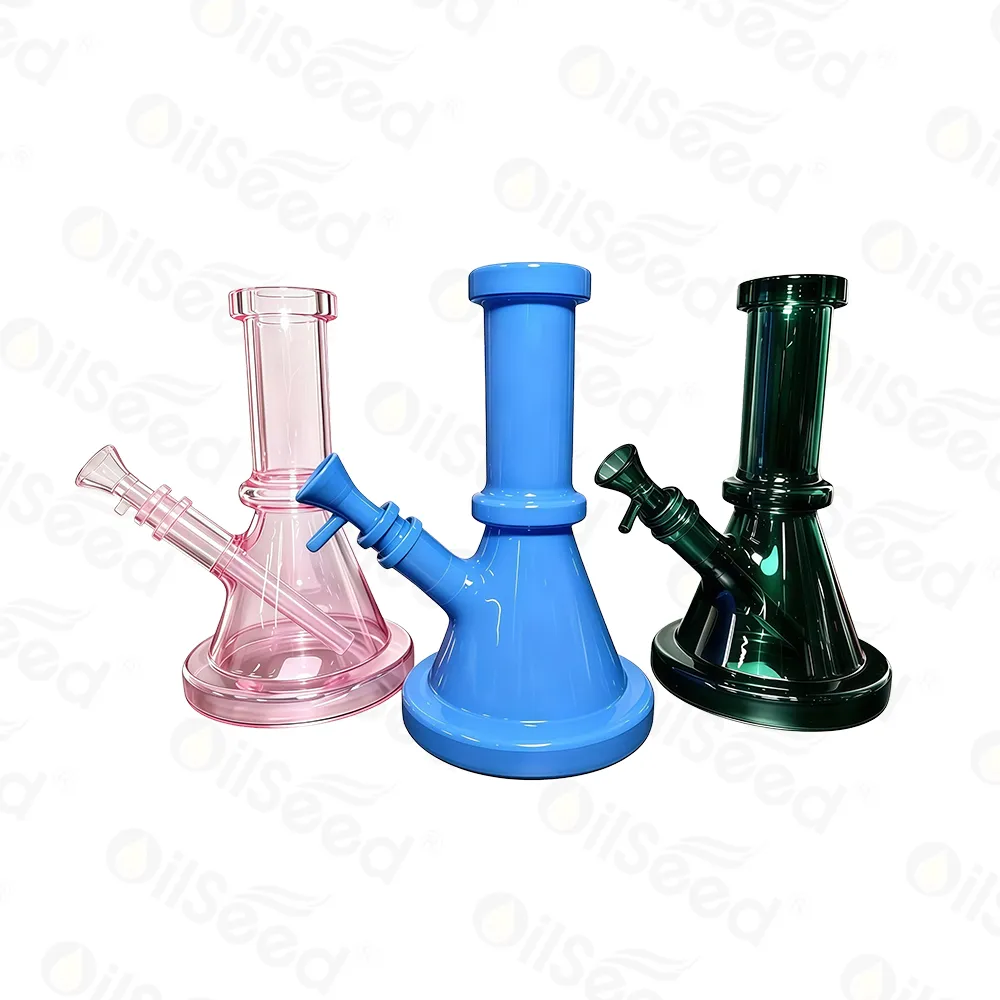
Material information is an important part of product evaluation because it can influence product suitability, labeling, customer expectations, and applicable requirements. Buyers should understand what materials are used in the product and whether the supplier can provide appropriate supporting information.
A product description that simply states “premium material” or “high quality” may be insufficient for procurement purposes. Depending on the product and applicable rules, buyers may need more specific information about the material type, coating, component composition, or relevant testing.
The level of evidence should be proportionate to the claim and the product’s risk profile. Some purchases may require only a clear material specification and supplier declaration, while others may require test reports or additional documentation from a qualified laboratory.
Buyers should also check whether the evidence applies to the exact product being purchased. A report for a similar model, an earlier formulation, or a different component does not necessarily establish the characteristics of the current item.
For a cannabis accessories wholesale program, this verification becomes especially important when private-label products are involved. The brand owner may be responsible for how the product is described to customers, even if the manufacturing process is handled by an external supplier.
A sensible approach is to record the product model, relevant material specifications, document date, issuing organization, and any limitations stated in the evidence. This makes it easier to identify whether further verification is needed when the product changes.
Review Labels and Packaging Before Artwork Approval
Packaging is often treated primarily as a branding and presentation decision, but it can also carry information that affects the accuracy of product claims and the buyer’s obligations. Reviewing labels only after mass production begins can create avoidable costs if the design needs to be revised.
Buyers should identify which information must appear on the product or its packaging under the rules that apply to the specific item. Depending on the category, this may include product identification, responsible business information, warnings, instructions, material information, or other required statements.
Not every item requires every type of label. The applicable requirements should be determined through product-specific review rather than copying the label from another product and assuming that the same format is appropriate.
Check the Accuracy of Every Claim
Packaging and marketing materials should describe the product accurately. Statements about materials, performance, durability, environmental benefits, or other characteristics should be supported by appropriate evidence.
Broad claims such as “100% safe,” “non-toxic,” or “fully compliant” can create problems when they cannot be substantiated or when they imply guarantees that the evidence does not support. Buyers should avoid using absolute claims simply because a supplier includes them in a draft product description.
Where a warning or instruction is required, its wording and presentation should be checked against the relevant requirements. Translation quality also matters when packaging is prepared in more than one language.
Control Artwork Versions
Private-label projects may involve several rounds of revisions. The buyer should maintain a clear record of the approved artwork and ensure that production uses the correct version.
The final review should compare the artwork with the agreed product specifications and any identified labeling requirements. If the product, material, or intended use changes, the label may need to be reviewed again.
For smoking accessories wholesale buyers, this control reduces the risk of receiving correctly manufactured products with outdated packaging or unsupported claims.
Treat Testing Documents as Evidence, Not Automatic Approval
Test reports and certificates can provide useful evidence, but their existence alone does not prove that a product satisfies every requirement applicable to a particular market.
Buyers should verify what the document actually covers. Relevant details may include the tested model, material or component, test method, date, issuing laboratory, and stated results. The buyer should also check whether the document relates to the current version of the product.
A report that covers one component may not evaluate the complete finished product. Likewise, a document issued for one purpose should not be presented as evidence of compliance with an unrelated requirement.
Where testing is relevant, buyers should determine whether the testing method and issuing organization are appropriate for the question being investigated. If a report contains limitations or exclusions, these should be understood before the document is used to support a purchasing decision.
Suppliers should be encouraged to explain the scope of the evidence they provide. If they cannot establish whether a report applies to the current product, the buyer may need additional documentation or independent verification.
The goal is to use evidence carefully rather than treating certificates as interchangeable commercial assurances. This is a more reliable approach for distributors managing bulk smoking accessories across different product categories.
Establish Clear Responsibilities for OEM and Private-Label Orders
Custom manufacturing adds another layer to compliance review because the buyer may control the branding, packaging, product configuration, or marketing claims while the supplier controls production. Without a clear division of responsibility, each party may assume that the other is handling important checks.
An OEM or private-label agreement should identify who supplies product specifications, who approves materials, who prepares labels, who verifies claims, and who is responsible for obtaining any required testing or documentation. The allocation should reflect the actual responsibilities of the parties and the applicable legal requirements.
The buyer should not assume that outsourcing production transfers every legal responsibility to the manufacturer. Equally, the supplier should not be expected to approve marketing claims or legal language that falls outside its expertise without clear instructions and appropriate review.
A documented approval process can separate responsibilities into practical stages:
- Product concept and intended market are confirmed.
- Specifications and materials are documented.
- Required evidence is identified and reviewed.
- Packaging artwork and product claims are approved.
- Production proceeds using the approved version.
- Relevant records are retained for future reference.
Each stage should have a clear owner and a record of completion. If the product changes after approval, the relevant checks should be repeated rather than assuming that the original review remains valid.
For a smoke shop wholesale supplier offering customization, this process helps buyers understand what is included in the service and what additional verification may be required before launch.
Maintain Documentation That Supports Traceability
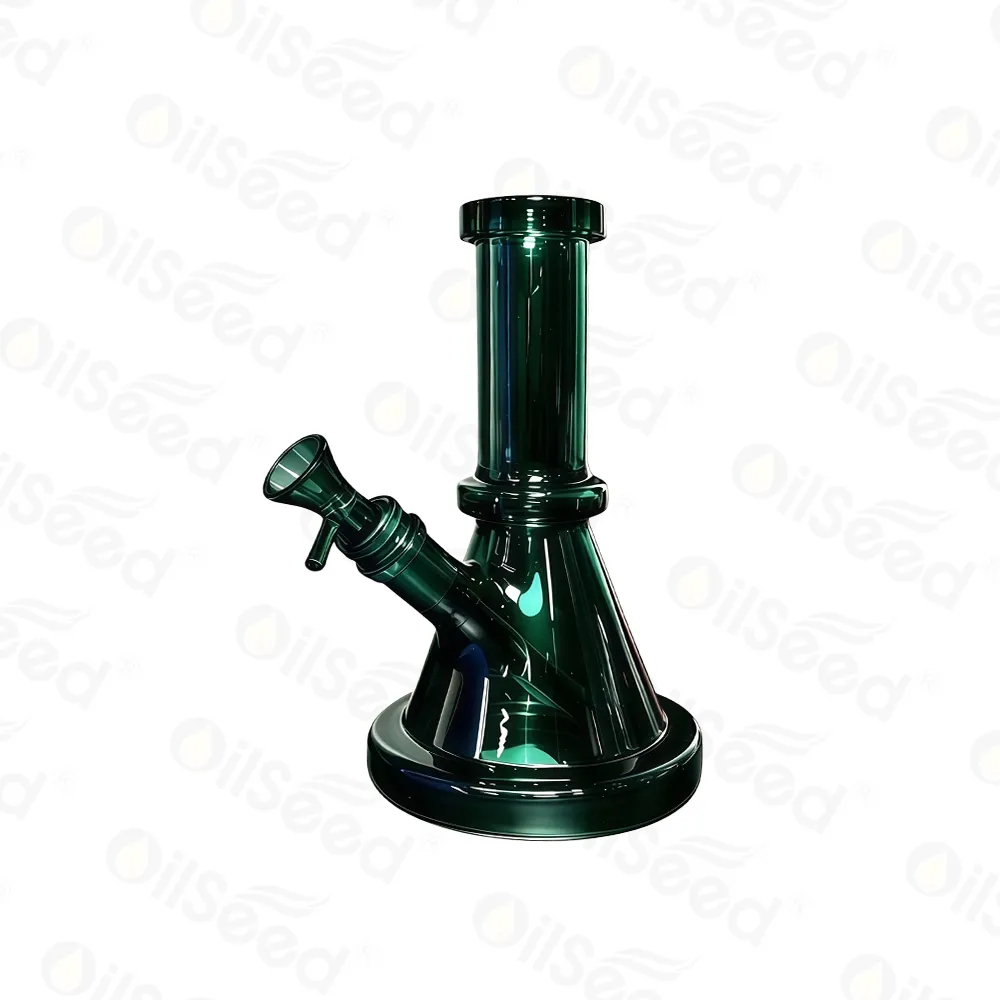
Compliance-related records are most useful when they can be connected to the actual product and order. A folder containing miscellaneous certificates is less valuable if employees cannot determine which model each document covers or whether the documents remain relevant.
A structured record should link the product code, model or version, supplier, material specification, approved artwork, relevant test reports, and purchase order. Where available and appropriate, batch or production references can help connect the documentation to a particular shipment.
The business should also record document updates. If a supplier changes a material, component, manufacturing process, or product design, the buyer needs to determine whether the change affects the evidence already collected.
This does not mean every minor change automatically requires a new test. The decision depends on the nature of the change and the applicable requirements. However, the change should be assessed rather than ignored.
Document control is particularly useful for companies selling products through several channels. The same item may appear in a wholesale catalog, ecommerce listing, distributor database, and printed product sheet. If one source contains outdated material information or an unsupported claim, the inconsistency may spread across the entire sales network.
For businesses involved in cannabis accessories wholesale, keeping product information linked to its supporting evidence improves internal coordination and makes future reviews more efficient.
Use Supplier Agreements to Address Compliance-Related Changes
Product requirements and documentation can change during a long-term supplier relationship. A component may be replaced, a packaging format may be revised, or a destination market may introduce a new requirement. Buyers and suppliers need a clear process for handling these changes.
The purchasing agreement should identify how material product changes are communicated and approved. It can also define which party is responsible for notifying the other when relevant documents expire, become outdated, or no longer cover the current product version.
If a supplier proposes a substitute material or component, the buyer should evaluate whether the substitution affects product performance, labeling, testing, or market suitability. Approval should be documented before the changed version is produced where the agreement requires prior approval.
The same principle applies when the buyer modifies a label or marketing claim. A packaging change may appear purely visual, but it can introduce new statements that require evidence or additional review.
A supplier should not silently replace a documented component simply because the alternative is easier to obtain. Buyers, in turn, should communicate changes to product requirements promptly and avoid relying on outdated specifications.
Clear change-control rules reduce confusion and help both parties determine when additional verification is necessary.
Identify Warning Signs During the Supplier Evaluation Process
Suppliers vary in their ability to provide accurate product information and support documentation. Buyers can reduce uncertainty by asking specific questions before placing a large order.
Potential warning signs include inconsistent product descriptions, documents that identify a different model, refusal to clarify the scope of a certificate, unsupported claims about universal compliance, and repeated changes to material specifications without explanation.
Another concern arises when a supplier treats all product categories as though they face identical requirements. A professional supplier should recognize that different products may need different forms of verification and should be willing to identify where further review is necessary.
However, a missing document does not automatically prove that a supplier is unreliable or that the product is noncompliant. The buyer should first establish whether the document is actually required and whether another appropriate form of evidence is available.
The evaluation should focus on the supplier’s ability to provide accurate information, explain limitations, maintain consistent specifications, and cooperate with reasonable verification requests.
For a headshop supplier USA, these capabilities are valuable because buyers often need reliable product information for procurement, distribution, and retail presentation. Clear communication helps identify potential issues before they become expensive problems.
Create a Repeatable Pre-Order Review Checklist
A checklist can make compliance-related review easier to manage across a broad catalog. It should not attempt to replace professional legal advice or apply the same rules indiscriminately to every product. Instead, it should ensure that the main questions are asked consistently.
Before confirming an order, buyers can verify that the product and destination market have been identified, the applicable requirements have been considered, and the material information matches the approved specification. They can then check whether required labels and claims have been reviewed, relevant documents have been obtained, and private-label responsibilities have been assigned.
The checklist should also record unresolved questions. If a document is pending or a requirement has not yet been confirmed, the order should not be treated as fully reviewed simply because most of the other items are complete.
Responsibility for each outstanding item should be assigned to a specific person or team, with a target date for resolution. This prevents critical tasks from disappearing between sales, purchasing, product development, and compliance staff.
The checklist should be updated when products or markets change. A process that worked for one category may need additional questions when the company introduces electrical products, new materials, or a different distribution territory.
A repeatable system helps companies maintain discipline without making every purchasing decision unnecessarily complicated.
Conclusion
Compliance-related review is an important part of responsible B2B sourcing because product suitability depends on more than design, pricing, and manufacturing quality. Buyers need to understand which requirements apply, verify material and labeling information, assess supporting evidence, and clarify responsibilities before committing to production or shipment.
For businesses involved in cannabis accessories wholesale, the most effective approach is product-specific and evidence-based. It combines early requirement identification, accurate documentation, careful label review, clear private-label responsibilities, and a documented process for handling product changes.
These measures do not guarantee that every legal or regulatory issue has been eliminated. They provide a more disciplined way to identify uncertainties, seek appropriate verification, and reduce avoidable purchasing risks.
For SmokeOrigin, clear product specifications, accurate product information, and transparent cooperation with B2B buyers can support a more professional sourcing experience. When compliance questions are addressed early and responsibilities are documented, retailers, distributors, and private-label brands can make purchasing decisions with greater confidence while building more reliable long-term supplier relationships.