
Product photography is often treated as a marketing detail, but for businesses involved in cannabis accessories wholesale, product images can play a much more practical role. Wholesale buyers frequently evaluate products remotely, compare multiple suppliers, prepare internal purchasing proposals, create retailer listings, and share product information with sales teams before placing an order.
In this environment, photography becomes part of the B2B purchasing process.
A buyer may not be able to physically inspect every product before requesting a quotation. Instead, the first evaluation may depend on photographs showing the product’s shape, finish, scale, details, packaging, and available variations. If those images are inconsistent or incomplete, the buyer may need additional communication before understanding what is actually being offered.
A professional photography system solves this problem by turning individual product photos into a structured commercial asset.
For a cannabis accessories wholesale supplier, the goal is not simply to make products look attractive. The objective is to create visual information that helps buyers understand products quickly, compare options accurately, and communicate selections internally.
B2B Product Photography Has a Different Job
Retail photography often focuses heavily on lifestyle, emotion, and visual appeal.
Wholesale photography has another responsibility: information.
A B2B buyer may want to know:
What the product looks like.
How large it is.
What variations exist.
Which details differentiate it.
How the finish appears.
What packaging looks like.
Whether several products belong to the same collection.
This means a wholesale photography system needs both commercial presentation and practical product information.
Start With a Standard Primary Image
Every product should have a clear primary image that immediately establishes its identity.
The image should make the product easy to recognize without unnecessary visual distractions.
For a cannabis accessories wholesale catalog, consistent primary images help buyers scan large product ranges more efficiently.
When every product is photographed using a similar visual structure, differences between products become easier to identify.
This is especially useful for distributors managing dozens or hundreds of SKUs.
Keep Backgrounds Consistent
Background consistency creates a more organized visual system.
A supplier may choose a neutral background for its standard product photography so that:
The product remains the main subject.
Different SKUs can be compared easily.
Images can be reused across sales materials.
Catalog pages appear more professional.
Sales representatives can present products without redesigning every image.
The specific background style matters less than maintaining a consistent standard.
Photograph Products From Multiple Angles
One photograph rarely communicates enough information for a wholesale buyer.
A useful product image set can include:
Front view.
Side view.
Rear view.
Top view.
Bottom view where relevant.
Detail view.
Packaging view.
Multiple angles help buyers understand the physical form without requiring additional clarification.
For products with distinctive shapes or decorative elements, this becomes particularly important.
Detail Photography Reveals Product Characteristics
A detailed close-up can communicate features that disappear in a standard product photograph.
Useful detail shots may show:
Surface finish.
Decorative elements.
Branding.
Texture.
Connections.
Edges.
Material appearance.
Manufacturing details.
The objective is not to exaggerate the product.
It is to provide enough visual information for a buyer to understand what is actually being offered.
Show Scale When Dimensions Matter
A product photograph can look very different from the buyer’s physical impression.
A large image on a website does not necessarily indicate a large product.
For cannabis accessories wholesale, dimensions should therefore be provided separately, while photography can help reinforce the sense of scale.
Useful approaches include photographing products beside standardized reference objects or providing visual comparisons within a controlled image system.
The exact method depends on the product category.
Keep Product Proportions Accurate
Photography should represent the product honestly.
Extreme wide-angle lenses, aggressive perspective, or heavy digital manipulation can make products appear larger or differently shaped than they are.
This can create problems when buyers receive samples that do not match their expectations.
B2B photography should therefore prioritize accurate representation over dramatic distortion.
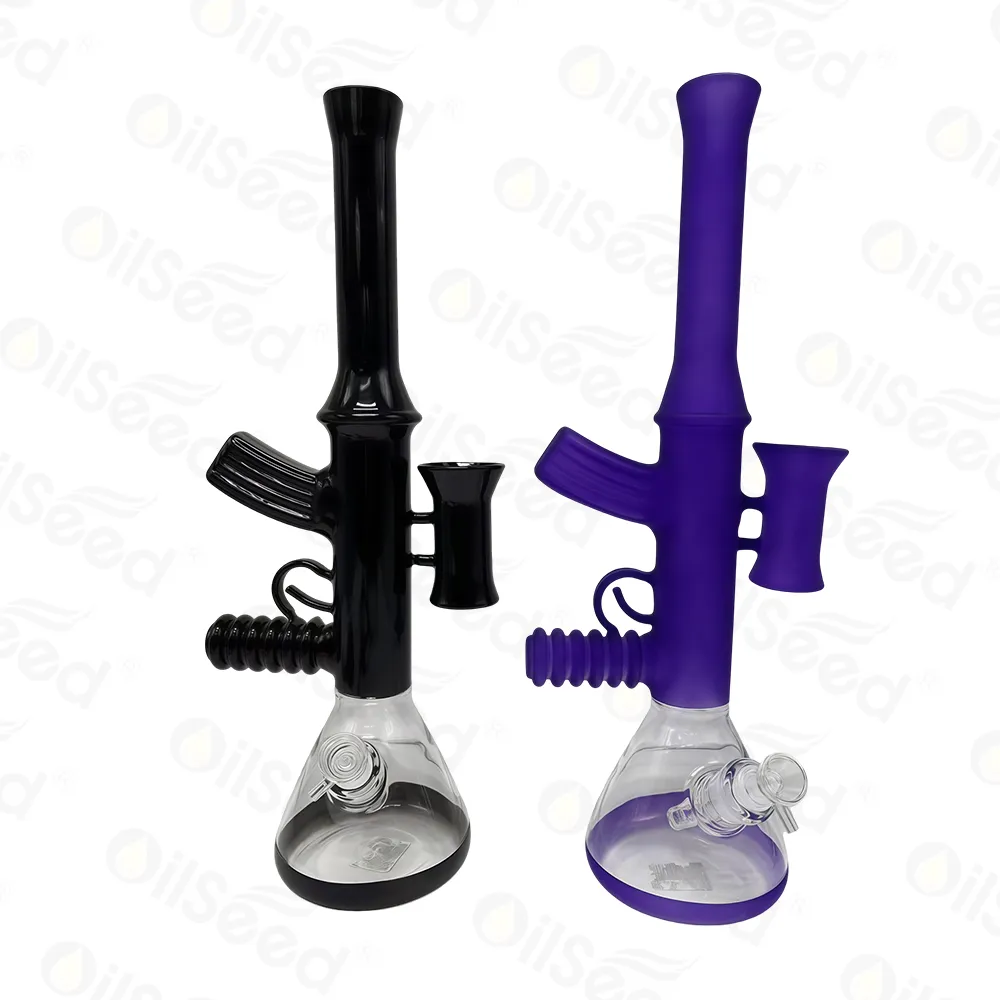
Photograph Different Finishes Separately
If a product is available in several finishes, one photograph may not be sufficient.
Different finishes can change the appearance of:
Color.
Reflectivity.
Texture.
Surface details.
Visual weight.
For example, a matte finish and a glossy finish may look substantially different under the same lighting.
Each commercially important variation should therefore have an appropriate visual reference.
Maintain Color Consistency Across the Image Library
A large cannabis accessories wholesale catalog can quickly become visually inconsistent if every product is photographed under different conditions.
One product may appear warm.
Another may appear cool.
A third may appear highly saturated.
Even when the physical products are consistent, the photography can make them appear different.
Standardized lighting, camera settings, background treatment, and post-production procedures can reduce this problem.
Use a Controlled Lighting Setup
Professional product photography does not necessarily require an enormous studio.
What matters more is repeatability.
A controlled lighting setup can help maintain:
Consistent shadows.
Stable color appearance.
Predictable reflections.
Clear surface details.
Similar visual depth.
Repeatability becomes increasingly valuable as the product catalog grows.
Reflective Products Need Special Attention
Certain accessories have highly reflective surfaces.
Metal, polished finishes, glass, and glossy materials can reflect the photography environment.
Poor lighting may create unwanted:
Hot spots.
Harsh reflections.
Dark patches.
Color distortions.
These problems can hide product details.
A controlled photography environment allows the supplier to show the actual finish more clearly.
Glass Products Need Both Beauty and Accuracy
Glassware can be particularly challenging because transparency, reflections, color, and shape all interact.
A strong image set can combine:
Clean product photography.
Detail photographs.
Different viewing angles.
Controlled lighting.
Color references.
Packaging photographs.
For wholesale buyers, the objective is to show the glass product accurately rather than relying only on highly stylized images.
Photograph Packaging as a Separate Asset
The product itself is only one part of a B2B order.
Packaging may also influence purchasing decisions.
Buyers may need to understand:
Retail box design.
Labels.
Branding.
Product identification.
Inner protection.
Outer carton markings.
Custom packaging options.
A separate packaging photograph can provide information that a product-only image cannot.
Private-Label Products Need Multiple Visual Layers
Private-label customers often require more than a single finished-product photograph.
A supplier may need to provide:
Unbranded product reference.
Branded sample.
Logo detail.
Packaging sample.
Color variation.
Collection photographs.
These assets help the buyer evaluate how a product can be transformed into a private-label offering.
For cannabis accessories wholesale, this can make the photography system useful not only for sales but also for product development.
Create a Photography Standard Before Expanding the Catalog
Adding hundreds of photographs without a standard can create a large but inconsistent image library.
Before expanding photography, define:
Image dimensions.
Background treatment.
Lighting approach.
Primary image format.
Secondary image requirements.
Detail image requirements.
Packaging image requirements.
File naming.
Product code references.
This turns photography into a repeatable workflow.
Connect Every Image With a SKU
File names should make product identification easy.
A practical naming structure can include:
Product code.
Product variation.
Image type.
Version.
This reduces confusion when sales teams download images or when the same product appears in several catalogs.
A photograph without clear identification can become difficult to manage as the library grows.
Maintain Separate Images for Different Uses
Not every image needs to serve every purpose.
A supplier can maintain different image types for:
Website product pages.
Wholesale catalogs.
Sales presentations.
Distributor listings.
Social media.
Private-label proposals.
Packaging approval.
The same original photography can often support multiple uses, but organizing the files by purpose improves efficiency.
Build a Reusable Image Library
A centralized image library allows sales and marketing teams to find current product photographs without repeatedly asking the factory for files.
The library can be organized by:
Category.
Product code.
Collection.
Color.
Finish.
Packaging.
Private-label version.
New product status.
This reduces duplicated work.
Keep Lifestyle Photography Separate
Lifestyle photography can be useful for branding and marketing, but it should not replace standard product photography.
Lifestyle images may communicate:
Environment.
Visual mood.
Product context.
Brand personality.
Standard product images provide:
Identification.
Shape.
Details.
Variations.
Comparison.
For B2B purchasing, both types can have value, but they serve different purposes.
Create Image Sets for Sales Representatives
Sales teams often need to answer buyer questions quickly.
A sales representative may need to send a customer:
One primary image.
Several product angles.
A close-up.
Packaging.
Available colors.
A collection image.
Preparing these assets in advance makes communication more efficient.
Instead of searching through folders during every inquiry, the salesperson can use a predefined product image set.
Make Images Easy to Compare
A wholesale buyer may compare ten or twenty products at the same time.
If every photograph uses different:
Angles.
Scale.
Backgrounds.
Cropping.
Lighting.
comparison becomes more difficult.
Standardized photography reduces visual noise and allows the buyer to focus on product differences.
Use Collection Photography Carefully
Collection images can show several related products together.
They are useful for communicating:
Design families.
Color systems.
Product ranges.
Matching products.
New collections.
However, collection images should supplement individual product photographs rather than replace them.
A buyer still needs to identify each SKU independently.
Show Product Variations Clearly
If the same model is available in several colors or finishes, the image library should make the relationship obvious.
The buyer should be able to understand:
Which features remain unchanged.
Which elements vary.
Which SKU corresponds to each variation.
This reduces confusion during quotation and ordering.
Photograph New Products Immediately
New products often receive the most attention during their initial launch period.
If a supplier introduces a new product but does not have professional photography ready, sales teams may rely on:
Factory snapshots.
Unedited photographs.
Incomplete images.
These materials can make an otherwise strong product appear unfinished.
Photography should therefore be included in the new-product launch workflow rather than treated as a later marketing task.
Maintain Version Control
Product images can become outdated when the physical product changes.
Changes may include:
Color.
Finish.
Shape.
Logo.
Packaging.
Accessories.
Dimensions.
If the old image remains in circulation, buyers may order according to outdated information.
Every major product change should therefore trigger an image review.
Archive Old Product Images
Deleting every old image can create another problem.
Historical images may still be useful for:
Previous customer orders.
Production references.
Private-label records.
Discontinued product documentation.
Instead of deleting them, businesses can move them into an archive with clear version information.
The key is ensuring outdated images are not accidentally presented as current products.
Use Photography During Sample Approval
Product photography can support sample approval.
A buyer may approve a physical sample and request photographs for future reference.
Those photographs can become part of the product’s visual record.
For long-term cannabis accessories wholesale, this creates continuity between:
Sample.
Production.
Catalog.
Sales materials.
Reorder.

Photograph Products After Final Approval
Early development samples may differ from final production products.
Using development photographs in commercial materials can therefore create inconsistencies.
A stronger workflow is to update the main image library after the product has passed final approval.
This ensures sales teams are working with the version buyers are actually expected to receive.
Create a Standard Detail-Shot Checklist
Different product categories require different details.
Instead of relying entirely on the photographer’s judgment, suppliers can create category-specific checklists.
For example, a glass product may require:
Shape detail.
Connection detail.
Surface detail.
Color reference.
Packaging.
A grinder may require:
Top view.
Bottom view.
Interior detail.
Surface finish.
Logo detail.
The checklist can evolve as buyers ask recurring questions.
Use Buyer Questions to Improve Photography
Customer questions can reveal missing visual information.
If buyers repeatedly ask:
“How large is this?”
“What does the bottom look like?”
“Is the finish matte?”
“Does the logo look like this?”
“Which colors are available?”
the supplier can consider adding photographs that answer those questions directly.
This creates a feedback loop between sales communication and visual content.
Photography Can Reduce Repetitive Sales Communication
A good image library cannot answer every question, but it can answer many basic ones.
Instead of repeatedly sending separate photographs from different conversations, the sales team can provide a standardized product image set.
This can reduce communication time and make product presentations more consistent.
Give Distributors Reusable Image Assets
Distributors often need product photographs for their own sales channels.
A supplier can provide approved image packages that include:
High-resolution product images.
Web-optimized images.
Multiple angles.
Packaging photographs.
Variation images.
Collection photographs.
Clear product identification.
This gives distributors greater flexibility while helping preserve accurate product presentation.
Support AI and Search-Friendly Product Discovery
Structured visual assets are becoming increasingly useful as product discovery moves across search engines, ecommerce platforms, visual search, and AI-assisted purchasing research.
A clear product image library combined with consistent product names, descriptions, specifications, and identifiers creates a stronger overall information system.
For a cannabis accessories wholesale supplier, this means photography should not exist separately from product data.
Images and textual information should reinforce each other.
Keep Image Quality High Without Making Files Impractical
High-resolution images are useful for catalogs and sales presentations, but excessively large files can create unnecessary problems for websites and internal systems.
A practical image system can maintain:
High-resolution master files.
Optimized website versions.
Compressed sales versions.
This allows the same original photograph to serve different channels.
Review Photography as the Catalog Changes
A product image library should not be considered finished.
As products are:
Added.
Updated.
Renamed.
Repackaged.
Discontinued.
relevant images should be reviewed.
Regular content maintenance prevents old visuals from remaining active after the physical product has changed.
Build Photography Into Supplier Operations
For companies operating a professional cannabis accessories wholesale business, photography works best when it becomes part of the product workflow.
A new product can move through:
Design.
Sample.
Approval.
Production.
Photography.
Product data.
Catalog.
Sales launch.
The sequence can be adapted to the supplier’s internal process, but the important point is that photography should be connected to product management.
Make Visual Assets Part of B2B Service
A supplier that provides organized visual assets is offering more than photographs.
It is providing buyers with tools that support:
Product evaluation.
Sales presentations.
Retail listings.
Internal purchasing.
Distributor communication.
Private-label development.
This can become a meaningful part of the overall B2B service experience.
Conclusion
Professional photography has a much larger role in cannabis accessories wholesale than simply making a catalog look attractive. For wholesale buyers, photographs are often part of the information they use to evaluate products, compare variations, communicate internally, prepare retail listings, and decide which products deserve further discussion.
A strong photography system begins with consistency. Standard primary images, controlled backgrounds, multiple viewing angles, accurate proportions, detailed close-ups, packaging photographs, and clearly identified product variations give buyers a more complete visual understanding.
The system becomes even more valuable when every image is connected to a SKU, product version, finish, and current specification. New products can receive photography as part of their launch process, while changed or discontinued products can be updated or archived to prevent outdated visuals from circulating.
For private-label programs, photography can also support development by documenting branded samples, packaging, colors, and finished products. For distributors, organized image packages make it easier to reuse approved visual assets across their own sales channels.
Ultimately, effective product photography is another form of B2B product infrastructure. When visual assets are accurate, organized, consistent, and connected to current product information, they help shorten the distance between product discovery and purchasing communication.
For businesses building a long-term cannabis accessories wholesale program, investing in a structured photography system can therefore improve not only presentation, but also sales communication, product management, distributor support, and the overall efficiency of the wholesale buying process.