
Wholesale purchasing becomes much more effective when product selection is connected to the type of retail business receiving the products. A large specialty store, a neighborhood smoke shop, a premium lifestyle retailer, and a newly opened independent store may all purchase smoking accessories, but their inventory requirements are rarely identical.
For businesses working in smoking accessories wholesale, understanding these differences can make product planning more practical. Instead of treating every retailer as if it needs the same catalog, suppliers and distributors can organize products around store size, customer expectations, available display space, purchasing capacity, and the role each category plays within the retailer’s business.
This approach does not mean creating a completely different product catalog for every customer. The same core wholesale range can support multiple retail profiles when products are organized into flexible purchasing layers.
A small retailer may need a concentrated assortment of proven products.
A larger store may require broader category coverage.
A premium-oriented retailer may place greater emphasis on materials, finishes, and presentation.
A new business may need a balanced starting assortment before gradually expanding.
The challenge for a smoking accessories wholesale supplier is to make these differences easy to understand without making the purchasing process unnecessarily complicated.
Start With the Retail Store Profile
Before recommending products, it helps to understand what type of store will actually sell them.
Several factors can influence product selection.
Store size.
Available display space.
Customer demographics.
Average transaction value.
Existing product categories.
Brand positioning.
Purchasing frequency.
Budget available for inventory.
These factors provide a practical framework for determining which products should receive more attention.
A product that makes sense for a large specialty retailer may not be suitable for a small store with limited shelf space.
Likewise, a compact assortment that works for a neighborhood shop may not provide enough variety for a larger retail operation.
Small Stores Need Concentration Rather Than Endless Variety
Smaller stores often face a simple physical limitation: they cannot display every available product.
Adding hundreds of SKUs can make the retail environment difficult to organize.
For these businesses, a concentrated assortment can be more useful.
The retailer may select a limited number of products from several major categories rather than carrying dozens of variations within each category.
This gives the store category coverage while keeping inventory manageable.
For smoking accessories wholesale, suppliers can support this approach by identifying core products that provide broad category representation.
Larger Stores Can Support Greater Product Depth
A larger retailer generally has more room to develop deeper categories.
Instead of carrying three grinder models, for example, the store may have enough space for multiple sizes, finishes, designs, and price levels.
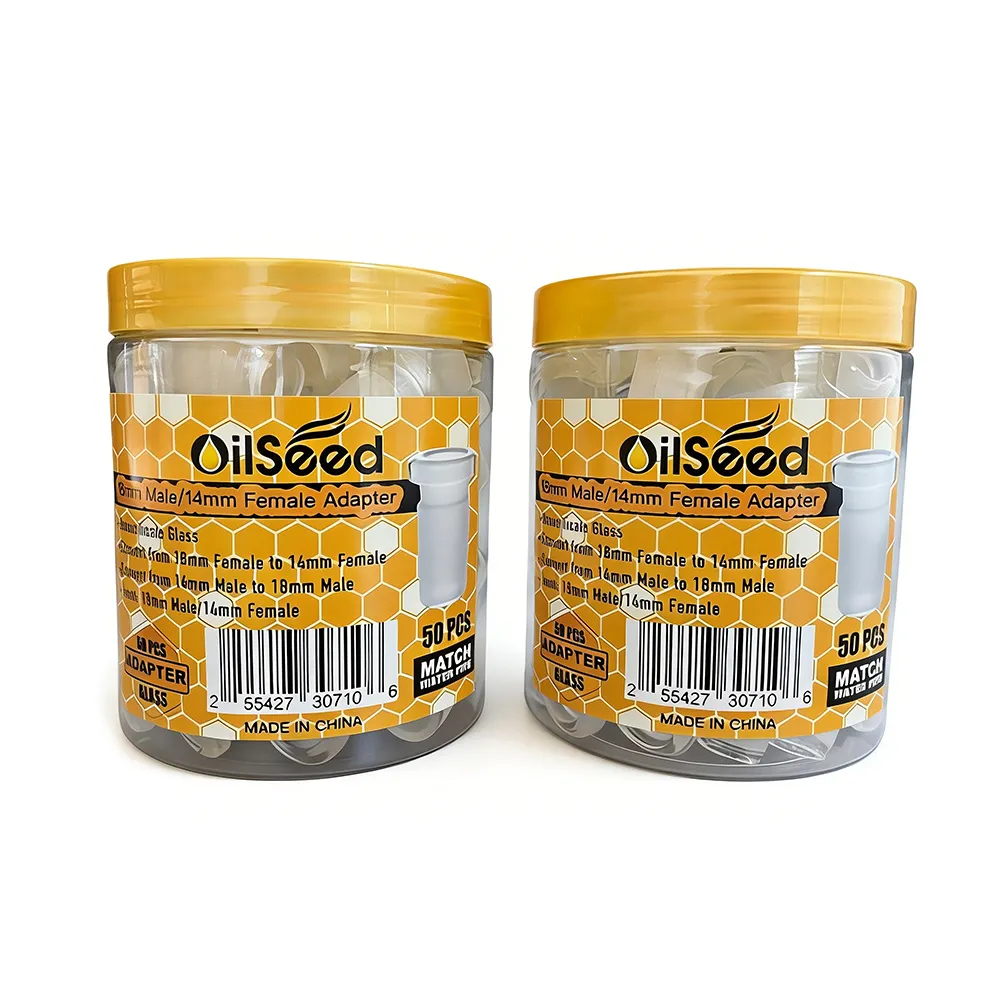
The same principle can apply to glassware, trays, storage products, ashtrays, kits, and other accessories.
However, more shelf space does not mean every available SKU should automatically be stocked.
Product depth still needs to be connected to customer demand and purchasing patterns.
The goal is to create useful variety rather than visual clutter.
Match Product Depth With Customer Expectations
Different stores may attract different customer expectations.
A retailer focused on accessible everyday products may require a different assortment from one that emphasizes premium presentation.
This affects:
Materials.
Finishes.
Design complexity.
Packaging.
Product size.
Branding.
Price position.
A supplier can therefore organize its catalog so buyers can identify products that correspond with their own store positioning.
Build a Balanced Price Structure
A retail assortment often benefits from having several price positions.
An entry-level product can provide an accessible purchasing option.
A mid-range product can serve customers seeking additional features or design differentiation.
A premium product can provide a higher-value alternative.
The purpose is not simply to push customers toward the highest-priced product.
It is to give the retailer enough flexibility to serve different purchasing preferences.
For smoking accessories wholesale, a balanced price structure can also help retailers build a more complete category without relying on a single product level.
Avoid Excessive Price Overlap
A catalog can become difficult to manage when several products occupy nearly identical price positions while offering very little differentiation.
If five products cost nearly the same and look almost identical, the retailer may have difficulty deciding which ones deserve shelf space.
A better assortment gives each product a clear reason for existing.
One may differ by size.
Another by design.
Another by material.
Another by finish.
Another by packaging.
This makes the assortment easier to understand.
Consider the Role of Impulse Products
Not every accessory needs to occupy the same position in the purchasing journey.
Some products may require significant consideration.
Others can function as smaller complementary purchases.
Smaller accessories can sometimes help retailers build additional product variety without requiring substantial shelf space.
For wholesale buyers, these products can be useful for filling gaps around larger core categories.
The important point is to understand the role each product plays rather than evaluating every SKU using the same criteria.
Build Around Core Categories
A retail assortment should generally begin with the categories most relevant to the store’s customers.
Depending on the business, these may include:
Glassware.
Grinders.
Rolling accessories.
Storage products.
Ashtrays.
Smoking kits.
Dab accessories.
Other related products.
The exact category mix should reflect the store rather than follow a universal formula.
A retailer can then build additional depth around the categories that perform well.
Use Category Depth to Support Store Identity
A store does not necessarily need to be equally deep in every category.
One retailer may have a particularly strong glassware section.
Another may emphasize grinders and accessories.
Another may build a visually coordinated private-label range.
The assortment can therefore reflect the identity of the store.
This creates a more distinctive retail environment than simply stocking the same number of products from every category.
Consider Display Space Before Ordering
Physical space should be considered before purchasing large quantities.
A product may sell well in theory but become difficult to merchandise if its packaging requires too much shelf or storage space.
Retailers should consider:
Shelf dimensions.
Display height.
Product width.
Packaging shape.
Storage capacity.
Counter space.
For smoking accessories wholesale, this information can help buyers select products that fit their actual retail environment.
Create Compact Assortments for New Stores
New retailers often face a difficult purchasing decision.
They need enough products to make the store feel complete, but they may not yet know which individual products will become strong sellers.
A compact assortment can provide a starting point.
Instead of purchasing deep quantities of every product, the retailer can introduce a controlled selection across several categories.
Sales data can then guide future purchasing.
Let Sales Data Expand the Assortment
Once a retailer has several months of sales information, the assortment can become more precise.
Products that sell repeatedly may receive more inventory.
Products with slower movement may be reordered less frequently.
Related products can be introduced around strong categories.
This creates a gradual process of assortment development.
The retailer does not need to predict the perfect product mix from the beginning.
Build Different Assortment Levels
A supplier can simplify purchasing by presenting several assortment levels.
For example, a retailer might select:
A compact assortment.
A standard assortment.
An expanded assortment.
A premium-focused assortment.
These are not rigid packages.
They can function as starting frameworks that help buyers understand how product depth can change according to store requirements.
Give Buyers Room to Customize
Retailers should still be able to modify recommended assortments.
One store may prefer more glassware and fewer storage products.
Another may want additional grinder options.
Another may want more premium designs.
A flexible purchasing structure allows the supplier’s recommendations to serve as a starting point rather than a fixed requirement.
Consider Local Customer Preferences
Retail businesses often serve specific local audiences.
Customer preferences may influence color choices, product sizes, design styles, and price levels.
Wholesale suppliers should therefore avoid assuming that one assortment will perform identically across every retail account.
The retailer’s own sales history can provide more useful information than a generic catalog recommendation.
Create Product Depth Without Duplicating Products
Product depth does not require endless variations of the same design.
A category can become deeper through meaningful differences.
These may include:
Different sizes.
Different materials.
Different configurations.
Different visual styles.
Different price levels.
Different packaging formats.
This creates genuine choice rather than simple SKU inflation.
Use Color Carefully
Color can help retailers create a more visually interesting assortment.
However, adding too many colors to every product can quickly increase inventory complexity.
A better approach may be to select a controlled palette.
Core colors can remain available across multiple products.
Additional colors can be introduced selectively.
This gives retailers visual variety while maintaining manageable SKU counts.
Build Premium Sections Separately
Premium products may require a different presentation from entry-level products.
Retailers can create a dedicated premium section rather than mixing every product together.
This makes product differentiation easier for customers.
It also allows the retailer to maintain a clear visual hierarchy within the store.
For smoking accessories wholesale, suppliers can support this structure by identifying products according to design complexity, materials, finish, packaging, or other relevant characteristics.
Use Matching Products to Strengthen Displays
Products can become more visually effective when they share a common design language.
Matching colors, finishes, patterns, or branding can connect different categories.
For example, a retailer may create a coordinated display containing several types of accessories that share a similar visual identity.
This can make the store appear more organized without requiring every product to be identical.
Keep Functional Products Easy to Find
Not every product needs to compete for visual attention.
Some products serve practical purposes and should remain easy to locate.
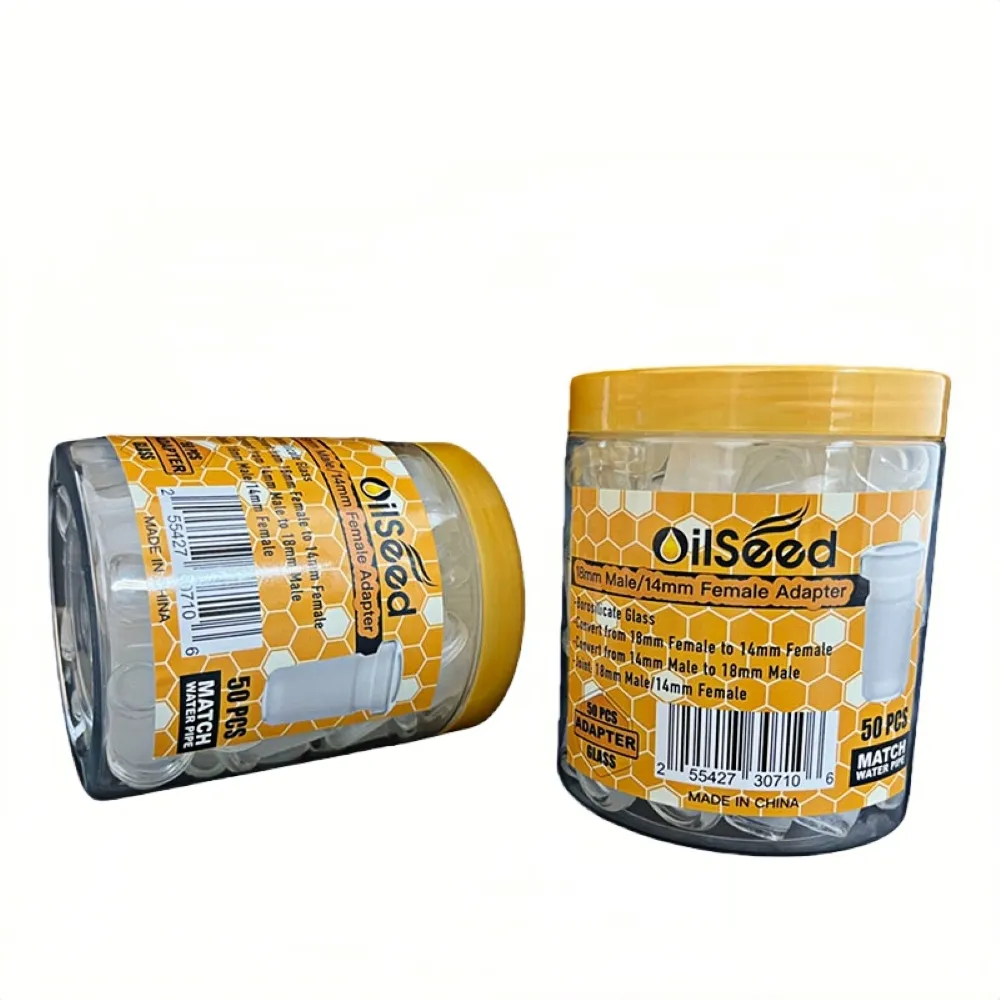
Storage products, maintenance accessories, replacement components, and other functional items can be organized according to their use.
Clear organization helps customers understand the purpose of these products quickly.
Plan Inventory Around Reorder Frequency
Product selection and inventory depth should also reflect how often products are reordered.
Frequently reordered products may justify deeper stock.
Products with slower movement may be purchased in smaller quantities.
This reduces the risk of tying up excessive capital in products that move slowly.
A supplier can help retailers understand available order quantities without forcing every product into the same purchasing pattern.
Use Flexible Quantities for Assortment Testing
When possible, smaller initial quantities can help retailers test new products.
The retailer can introduce a limited number of units, monitor customer response, and then increase the order if the product performs well.
This is particularly useful for:
New designs.
New colors.
Unfamiliar product categories.
Premium products.
Seasonal variations.
Testing provides actual store-level information before the retailer commits substantial inventory.
Consider Private-Label Opportunities
Once a retailer understands its preferred product structure, private labeling can become a logical next step.
A successful product category may be developed into a branded range.
The retailer can then explore:
Custom colors.
Logo placement.
Packaging.
Product combinations.
Matching designs.
A supplier with established manufacturing capabilities can support this transition from standard wholesale products to customized collections.
Make Private-Label Expansion Gradual
A retailer does not need to private-label every product immediately.
Starting with a small number of recognizable products can make brand development easier.
Once the brand identity becomes established, additional categories can be introduced.
This creates a more controlled expansion process.
Support Different Store Sizes With the Same Catalog
One of the most useful characteristics of a strong wholesale catalog is flexibility.
The supplier should not need a completely different product range for every retailer.
Instead, the same catalog can be organized into different depth levels.
A smaller retailer selects fewer products.
A larger retailer selects more variations.
A premium retailer emphasizes higher-end products.
A private-label customer selects products suitable for customization.
This creates efficiency for both the supplier and the buyer.
Build a Clear Product Selection Framework
A simple framework can help buyers make decisions.
First, identify the store’s core categories.
Second, determine how much physical space is available.
Third, establish the desired price structure.
Fourth, select core products.
Fifth, add meaningful variations.
Sixth, identify complementary products.
Seventh, test new products in controlled quantities.
Finally, use sales data to refine the assortment.
This approach turns product selection into an ongoing process rather than a one-time purchasing decision.
Keep the Catalog Flexible as the Store Changes
Retail businesses evolve.
A store may expand.
Its customer base may change.
A new product category may become important.
A retailer may move toward private labeling.
A premium section may be introduced.
The wholesale assortment should therefore be flexible enough to change with the business.
Products that were suitable during the first stage of a retailer’s development may not remain equally important later.
Use Supplier Communication to Identify Gaps
Retail buyers often know what their customers are requesting before the supplier does.
They may repeatedly ask for a particular size, style, color, or related accessory.
These requests can reveal gaps in the existing assortment.
A supplier that pays attention to these requests can use them to improve future product development.
This creates a more responsive relationship between wholesale supply and retail demand.
Avoid Overloading Buyers With Choices
More products do not automatically make purchasing easier.
A catalog containing thousands of nearly identical options can create decision fatigue.
The supplier can improve the experience by highlighting meaningful distinctions.
Core products.
New products.
Premium products.
Private-label options.
Popular categories.
Complementary products.
This allows buyers to navigate the catalog without eliminating the broader product range.
Create Retailer-Specific Recommendations
A supplier can make product selection more useful by asking a few practical questions.
How large is the store?
Which categories are already performing?
What price levels does the retailer target?
How much display space is available?
Does the retailer operate online?
Is private labeling required?
How frequently does the retailer reorder?
These answers can guide a more relevant product recommendation.
Make Assortment Planning a Continuous Process
The strongest retail assortments rarely remain unchanged forever.
They develop through repeated purchasing cycles.
Products are introduced.
Customers respond.
Sales data is collected.
Slow-moving products are reduced.
Strong categories receive more attention.
New products are tested.
The assortment gradually becomes more closely aligned with the store’s actual customers.
For smoking accessories wholesale, this creates a practical feedback loop between supplier, retailer, and end-market demand.
Connect Assortment Planning With Product Development
Wholesale suppliers can also use retailer assortment information to guide future manufacturing.
If multiple retailers request a similar product variation, that may indicate a broader opportunity.
If a particular design repeatedly underperforms, the supplier may reconsider whether additional versions are necessary.
This helps product development become more connected to real purchasing behavior.
Conclusion
Product selection becomes more effective when it reflects the actual retail environment where products will be sold.
For businesses operating in smoking accessories wholesale, there is rarely one perfect assortment for every retailer. Store size, available display space, customer expectations, price positioning, category focus, purchasing capacity, and reorder behavior can all influence which products make sense.
A small store may benefit from a concentrated selection.
A larger retailer may require deeper category coverage.
A premium-focused business may prioritize higher-end designs and presentation.
A new store may need a balanced starter assortment.
A growing retailer may gradually introduce private-label products.
The key is flexibility.
A well-organized wholesale catalog can provide the same broad product range while allowing each retailer to select an assortment that fits its own business. Core products provide stability, meaningful variations create choice, complementary products expand category coverage, and controlled testing gives retailers a practical way to discover new opportunities.
Over time, sales data can make the assortment increasingly precise.
The result is not simply a larger inventory.
It is a product range that is better matched to the retail environment, easier to manage, and more capable of evolving as the business grows.
For buyers working with smoking accessories wholesale, understanding the relationship between store profile and product structure can turn purchasing from a simple SKU-selection exercise into a more deliberate approach to building a sustainable retail assortment.