
A wholesale catalog becomes more valuable when its products work together rather than simply existing as a long list of individual SKUs. Retail buyers are not always looking for one isolated product. They may be building a new store section, expanding an existing category, preparing seasonal displays, or developing a private-label collection that requires several complementary products.
For businesses involved in cannabis accessories wholesale, this creates an opportunity to think about product assortment from a broader perspective.
Instead of asking only whether a particular product can be sold individually, buyers can also consider how different products support one another within the same catalog.
A grinder can sit alongside a rolling tray.
A storage product can complement a related accessory.
Glassware can be presented with cleaning or maintenance products.
A branded product can be supported by matching packaging and additional accessories.
The objective is not simply to create larger orders. A well-structured assortment makes it easier for distributors and retailers to build coherent product categories and gives customers more ways to purchase related products from the same supplier.
Build the Catalog Around Product Relationships
A large product catalog can become difficult to navigate when every SKU is treated as an independent item.
A better approach is to identify relationships between products.
These relationships may be based on:
Product function.
Product size.
Design style.
Material.
Color.
Price range.
Brand identity.
Packaging.
Retail display purpose.
Once these relationships are identified, the catalog can be organized into logical product groups.
For a cannabis accessories wholesale supplier, this creates a more useful purchasing experience because buyers can discover complementary products instead of searching through unrelated SKUs.
Start With Core Product Categories
Before creating bundles or collections, the supplier needs a clear understanding of its core categories.
These may include grinders, rolling trays, glassware, storage products, ashtrays, smoking kits, and other accessories.
Each category should have a clear commercial role.
Some products may attract buyers because they are familiar and easy to reorder.
Others may provide higher visual differentiation.
Some products may be useful as complementary items.
This creates a foundation for building a broader assortment.
Identify Products That Naturally Complement Each Other
Complementary products are not necessarily products that must be used together.
They can simply make sense within the same purchasing decision.
For example, a retailer purchasing a group of grinders may also be interested in related trays or storage products.
The connection gives the buyer a reason to explore additional products.
This can make the catalog more useful without forcing unrelated items into the same collection.
Create Product Families
Product families can make a catalog easier to understand.
Several products may share a common design language while offering different functions.
A collection could use similar:
Colors.
Materials.
Patterns.
Finishes.
Logo treatments.
Packaging.
This creates visual consistency.
For private-label businesses, product families can also help establish a stronger brand identity because customers see multiple products connected by the same design concept.
Use Color as a Linking Element
Color can be one of the simplest ways to connect products.
A retailer may prefer a coordinated group of products rather than a collection of unrelated colors.
For example, several product categories can share a common color palette while maintaining their individual designs.
The result is a collection that looks intentional when displayed together.
For cannabis accessories wholesale, this can be particularly useful when buyers want to create visually consistent retail sections.
Create Functional Collections
Not every collection needs to be based on appearance.
Products can also be grouped according to their commercial function.
A basic collection might focus on everyday accessories.
Another may emphasize portability.
Another may focus on storage and organization.
Another may combine several related accessory types.
Functional grouping gives buyers another way to navigate the catalog.
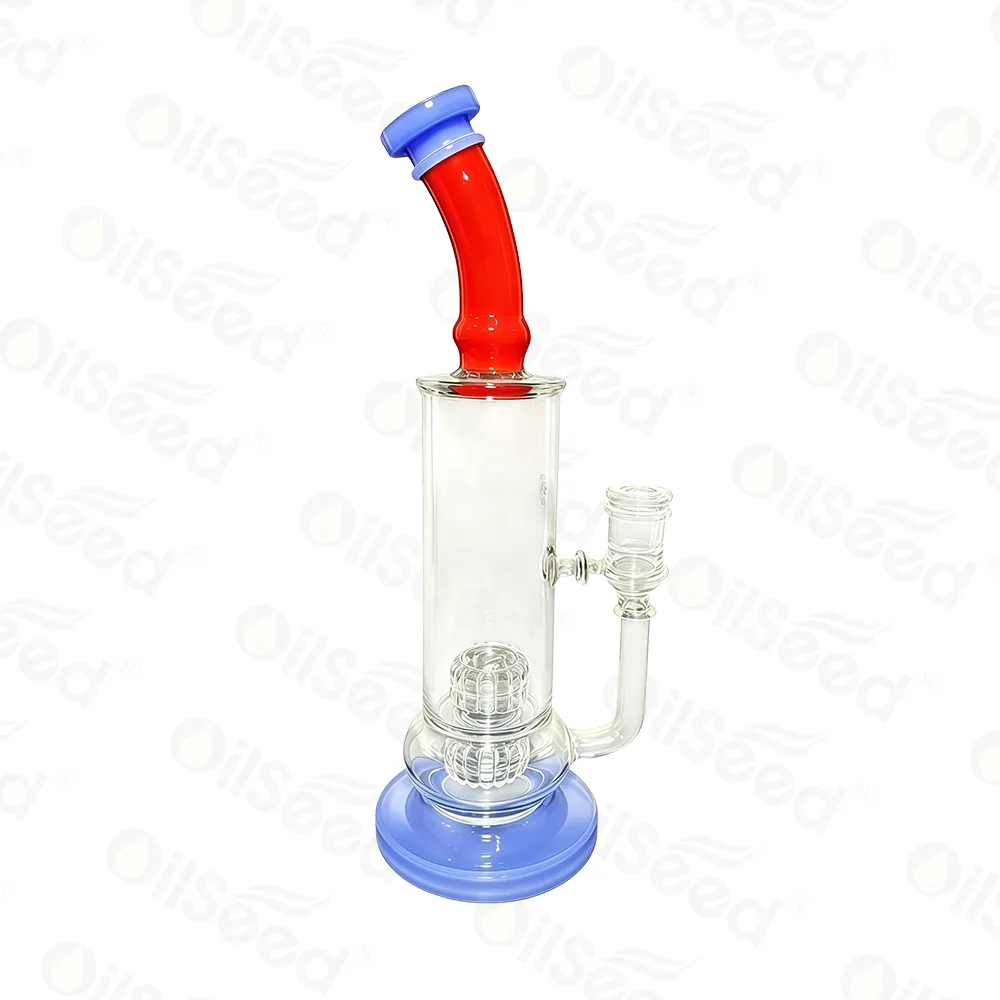
Build Entry-Level and Premium Variations
A product family can sometimes support multiple price positions.
One model may use a simpler configuration.
Another may feature additional details or a more premium finish.
This gives retailers greater flexibility when building their assortment.
Instead of choosing one product and excluding customers at different price levels, the retailer can offer several related options.
The important point is to maintain meaningful differentiation between the products.
Avoid Creating Artificial Bundles
Not every group of products needs to become a formal bundle.
If products have no meaningful relationship, combining them can make the catalog feel arbitrary.
A bundle should provide a clear reason for the products to appear together.
The relationship might be functional, visual, commercial, or related to a specific retail display.
If the connection is difficult to explain, the products may be better presented independently.
Design Bundles Around Retailer Needs
Wholesale bundles should solve a purchasing problem.
A retailer opening a new category may want several complementary SKUs.
A smaller store may want a compact selection without purchasing dozens of unrelated products.
A distributor may need a product group that can be offered to several retail accounts.
Understanding these scenarios helps suppliers create more useful combinations.
For cannabis accessories wholesale, the most practical bundle is often the one that simplifies a buyer’s product-selection process.
Use Product Quantity Strategically
A bundle does not necessarily need to contain equal quantities of every item.
One product may naturally sell faster than another.
For example, a retailer might need more units of a frequently reordered accessory while purchasing fewer units of a higher-priced complementary item.
Quantity should therefore reflect the intended commercial relationship between products.
This makes the bundle more practical for real wholesale purchasing.
Create Display-Oriented Collections
Retail display can also influence product grouping.
Several products may look particularly effective when displayed together because they share similar visual characteristics.
A supplier can provide suggested collections that help retailers build:
Counter displays.
Category walls.
Color-themed sections.
New-product displays.
Private-label collections.
The supplier does not need to control the retailer’s store layout.
Providing organized product options simply makes planning easier.
Make Product Codes Easy to Understand
As product families expand, SKU structure becomes important.
A consistent naming or coding system can indicate relationships between products.
For example, related products might share a common family prefix while different sizes or finishes use additional identifiers.
This makes it easier for purchasing teams to understand which products belong together.
It also reduces confusion when a retailer orders several variations at once.
Connect Product Images Across Collections
Product photography should reinforce product relationships.
If several products belong to one collection, their images can use a consistent visual style.
Similar backgrounds, angles, lighting, and product presentation make the relationship easier to recognize.
This is useful not only for printed catalogs but also for online B2B stores.
A buyer can quickly identify products that belong to the same collection.
Use Product Descriptions to Explain Compatibility
Product descriptions can also highlight relationships.
Instead of describing every product as a completely independent item, the supplier can mention relevant collection connections.
For example, a product description may identify that a particular model belongs to a larger collection or is available in matching finishes.
This provides useful context without turning the description into aggressive sales copy.
Develop Multi-Category Collections
A collection does not have to remain inside one product category.
A coordinated design language can extend across different types of accessories.
A color theme might appear across grinders, trays, storage products, and glassware.
This creates a broader branded ecosystem.
For private-label customers, such collections can be especially useful because they allow the brand to appear consistently across multiple product categories.
Make Private-Label Expansion Easier
Private-label buyers often begin with one product.
Once that product establishes a recognizable identity, they may want to expand the same branding into additional categories.
A supplier with a coordinated product catalog can support this expansion more efficiently.
The buyer can maintain consistent:
Brand colors.
Logo placement.
Packaging.
Design language.
Product naming.
This creates a more complete private-label collection rather than a collection of unrelated branded items.
Build Starter Assortments
Not every retailer wants to select every SKU individually.
A supplier can create starter assortments based on common purchasing needs.
A starter assortment might contain a carefully selected number of products across several categories.
The buyer can then adjust the quantities according to store size and customer demand.
This reduces the amount of time required to build an initial catalog.
Offer Expansion Paths
A starter assortment becomes more useful when it provides a clear path for future expansion.
For example, a retailer might begin with a small collection and later add:
Additional colors.
Higher-end products.
New sizes.
Related accessories.
Private-label variations.
Seasonal products.
This allows the product assortment to grow gradually.
For a cannabis accessories wholesale supplier, designing these expansion paths can make the catalog more useful to both new and established buyers.
Consider Inventory Complexity
Product bundling can create operational advantages, but it can also increase SKU complexity.
Every additional color, size, packaging format, or variation creates another inventory reference.
Before expanding a collection, buyers should consider whether the additional SKU provides enough commercial value to justify the added inventory requirements.
A controlled catalog is often easier to manage than an enormous assortment with many products that differ only slightly.
Use Core Products to Support New Products
New products do not always need to establish themselves independently.
An existing core product can introduce buyers to a newer complementary item.
For example, a retailer may already reorder one established product and discover a related new product during the same purchasing process.
This gives the new product additional exposure without requiring a completely separate sales process.
Create Seasonal Collection Updates
Collections can also be refreshed periodically.
Instead of changing the entire product range, suppliers can introduce selected updates.
These may include:
New colors.
New patterns.
Limited design variations.
Updated packaging.
New complementary products.
The core collection remains stable while selected elements create freshness.
Use Collections to Simplify Catalog Navigation
A large wholesale website can become difficult to navigate when products are organized only by individual product type.
Collection-based navigation gives buyers additional routes.
They can browse by:
Product category.
Material.
Design family.
Color.
Price range.
Application.
Private-label opportunity.
This can make product discovery more efficient.
Keep Wholesale Bundles Flexible
A bundle should not always be completely fixed.
Some buyers may want to replace one product with another.
Others may want additional quantities of a particular SKU.
A flexible assortment system can allow buyers to start with a recommended product group and customize the final order.
This preserves the convenience of bundling while recognizing that every retailer has different inventory requirements.
Use Bundles to Support Smaller Buyers
Smaller retailers often have limited purchasing capacity.
Selecting individual products from a very large catalog can take significant time.
A curated assortment gives these buyers a practical starting point.
They can purchase a balanced selection without committing to every available product.
As their business grows, they can expand the assortment.
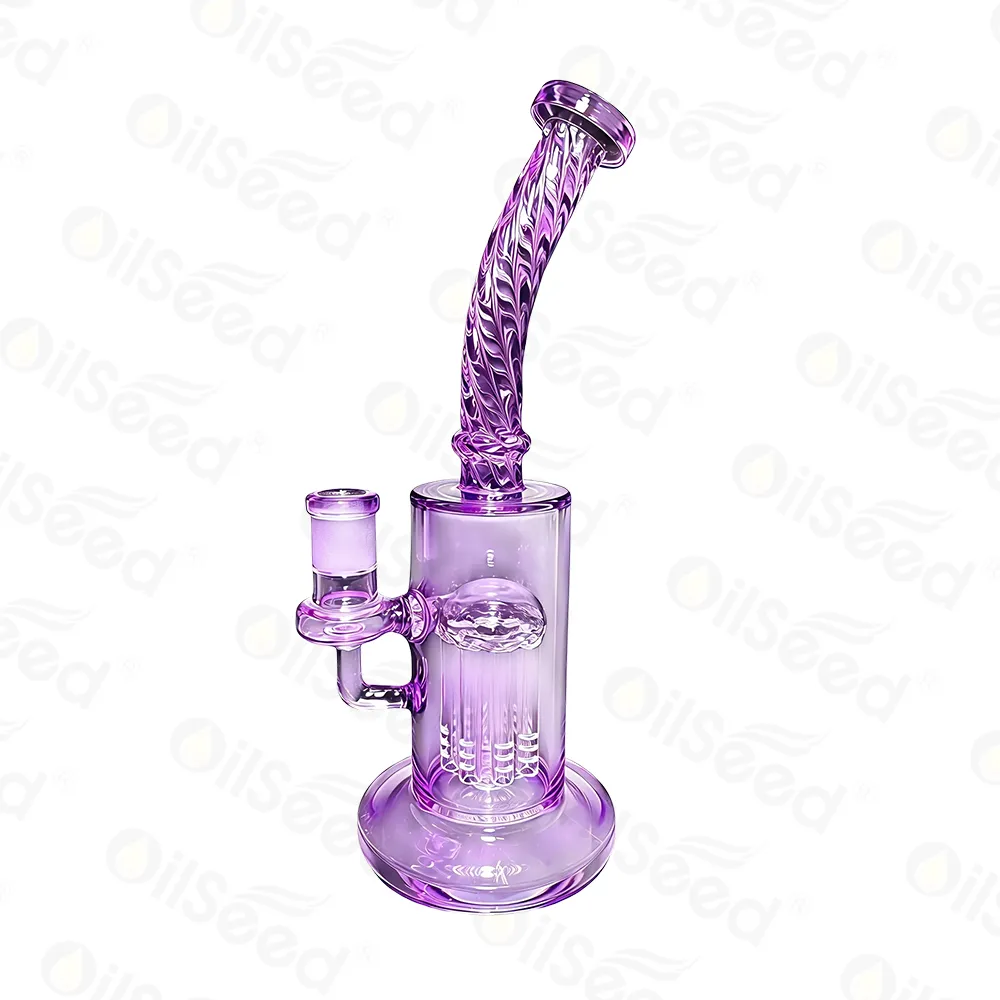
Create Distributor-Friendly Product Groups
Distributors have a different requirement.
They may need product groups that can be introduced to multiple retail accounts.
A collection with clear product relationships makes it easier for the distributor’s sales team to explain the range.
The distributor can present several related products instead of introducing every SKU independently.
This can simplify sales conversations.
Make Product Relationships Visible to Sales Teams
Internal sales teams should understand why products belong together.
A simple product matrix can show:
Core product.
Complementary product.
Available variations.
Target account type.
Packaging options.
Private-label availability.
Suggested assortment.
This gives sales representatives a clearer framework when speaking with wholesale buyers.
Connect Collections With Product Development
Collection planning can influence future product development.
If a supplier has several successful products within one design family, new products can be developed to complement the existing collection.
Instead of asking, “What completely new product should we create?” the development team can ask, “What product is missing from this collection?”
That question can produce more commercially connected ideas.
Use Customer Feedback to Expand Collections
Buyers often reveal gaps in a collection through their questions.
They may ask whether a particular color is available.
They may want a smaller version.
They may ask for matching packaging.
They may want another accessory using the same design.
These requests can provide useful information about potential collection expansion.
The supplier can record recurring requests and use them to guide future development.
Keep Product Collections Easy to Explain
A good collection should be understandable quickly.
A buyer should be able to see:
What connects the products.
How the products differ.
Which products are core.
Which products are complementary.
Which products are available for customization.
If the collection requires a complicated explanation, the assortment may need to be simplified.
Build a Long-Term Assortment Strategy
A wholesale catalog should evolve over time.
Some products become core products.
Some remain supporting products.
Some are replaced.
Some create new collection opportunities.
Some become private-label platforms.
This means assortment planning should not be treated as a one-time task.
The catalog should continuously reflect purchasing behavior, product performance, supplier capabilities, and customer requirements.
Conclusion
A strong wholesale catalog is not simply a large collection of products. Its value also comes from how those products relate to one another.
For businesses operating in cannabis accessories wholesale, building complementary product families can make purchasing easier, support more coherent retail displays, simplify private-label expansion, and give distributors a clearer way to present multiple categories.
The most useful approach is not to create as many bundles as possible. It is to identify genuine relationships between products and turn those relationships into practical purchasing options.
Core products can provide stability.
Complementary products can expand the assortment.
Matching designs can create stronger collections.
Flexible bundles can support different account sizes.
Private-label extensions can carry a consistent brand identity across multiple categories.
When these elements are organized carefully, the catalog becomes more than a product list. It becomes a purchasing framework that helps retailers and distributors understand how individual products can work together.
For a growing cannabis accessories wholesale business, that structure can make product discovery easier while creating more opportunities for customers to expand their orders naturally across related categories.