
A wholesale product catalog is often treated as a simple collection of product images and prices. In reality, for businesses working in vape accessories wholesale, a well-structured catalog can become one of the most useful sales tools available to a distributor, wholesaler, or private-label buyer.
B2B customers rarely evaluate a product based on appearance alone. Purchasing managers may need specifications, available options, packaging information, customization possibilities, order quantities, and commercial details before they can make a purchasing decision. If this information is scattered across emails, spreadsheets, product pages, and messages, sales representatives spend more time answering basic questions and buyers take longer to move from product discovery to quotation.
A professional catalog solves part of this problem by bringing important information together in a format that is easy to review and share.
For a vape accessories wholesale business, the catalog should therefore be viewed as a sales communication system rather than a digital brochure. Its purpose is to help buyers understand products quickly, compare relevant options, identify suitable items, and start a purchasing conversation with fewer information gaps.
A B2B Catalog Should Answer Purchasing Questions
Consumer-facing catalogs often focus heavily on visual presentation. B2B catalogs have a different job.
A wholesale buyer wants to understand whether a product is commercially suitable before investing additional time in the purchasing process.
The catalog should therefore answer practical questions such as:
What is the product?
What are its key specifications?
What options are available?
What materials or finishes can be selected?
Is customization available?
What packaging options exist?
What order quantity is required?
Can samples be requested?
How should the product be identified when placing an order?
The more clearly these questions are addressed, the less back-and-forth the sales team needs to handle.
For companies involved in vape accessories wholesale, this can make the difference between a catalog that simply looks professional and one that actively supports the purchasing process.
Organize Products Around Buyer Intent
A large catalog can quickly become difficult to navigate if products are arranged only according to internal factory categories.
B2B buyers typically think in terms of purchasing needs.
They may be looking for products for a new retail collection, accessories to complement an existing product line, private-label items, promotional products, or products within a specific price position.
A useful catalog can therefore organize products in several layers.
The main category establishes what type of accessory the buyer is viewing.
Subcategories help narrow the selection.
Product tags identify important characteristics.
Visual collections make related products easier to compare.
Customization indicators show which products can support private-label programs.
This creates a more natural browsing experience.
Instead of forcing buyers to understand how the supplier organizes its internal inventory, the catalog communicates in terms that are closer to the buyer’s purchasing process.
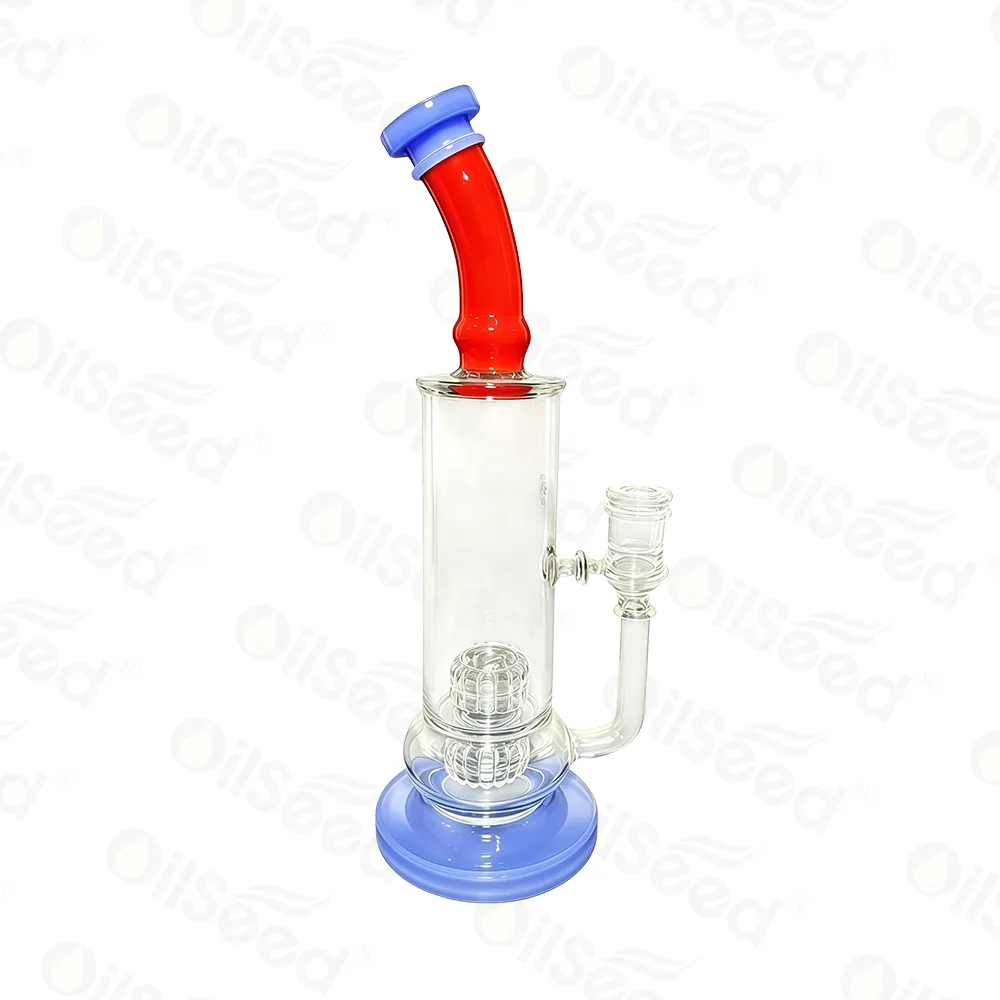
Product Images Should Support Sales Conversations
Images are essential, but a wholesale catalog needs more than attractive photographs.
Sales representatives often send product pages directly to buyers through email or messaging platforms. The image should therefore communicate the product clearly even when viewed outside the full catalog.
Useful image sets may include:
A primary product image.
Different product angles.
Close-up details.
Available finishes or variations.
Packaging examples.
Lifestyle applications where appropriate.
A collection image showing related products.
The objective is not to create an enormous number of photographs. It is to provide enough visual information for buyers to understand the product without repeatedly requesting additional images.
For vape accessories wholesale, consistent photography can also make a supplier’s entire catalog look more organized and professional.
Specifications Need to Be Easy to Scan
B2B buyers do not always read product descriptions from beginning to end.
They often scan for specific information.
For that reason, specifications should be presented in a consistent structure.
Important fields might include:
Product name.
Product code.
Dimensions.
Material.
Weight.
Available variations.
Finish.
Customization options.
Packaging format.
MOQ information.
Sample availability.
Production information.
The exact fields will vary by product category, but consistency is critical.
If one product page lists dimensions at the top, another places them at the bottom, and a third only provides the information after a sales representative is contacted, the buyer has to spend unnecessary time searching.
A consistent information structure makes comparisons easier.
Product Codes Should Be Sales-Friendly
A product code is more than an internal manufacturing reference.
When a sales representative sends a buyer twenty product images, clear identification becomes important.
A useful code can help both sides refer to the same product during communication.
Instead of saying “the second black product from yesterday’s message,” a buyer can identify a specific code.
This becomes increasingly important when products have multiple variations.
The catalog should make it easy to understand the relationship between the main product and its variations without creating unnecessary complexity.
For vape accessories wholesale, this can reduce mistakes during quotation preparation and order discussions.
Separate Standard Products From Custom Options
Wholesale buyers need to know what can be purchased immediately and what requires additional development.
A catalog can make this distinction visible.
Standard products may have established specifications and regular production processes.
Customized products may allow changes to branding, colors, finishes, packaging, or selected design elements.
Private-label products may require artwork approval and additional preparation.
These categories should not be mixed together without explanation.
A buyer looking for standard products should not have to assume that every item supports unlimited customization.
Similarly, a private-label buyer should be able to identify products that are suitable for branding programs.
Clear labeling makes the sales process more transparent.
Create Dedicated Pages for Private Label Buyers
Private-label customers have different information requirements from standard wholesale buyers.
They need to know more about customization.
A dedicated catalog section can explain available options without turning every individual product page into a lengthy technical document.
For example, a private-label section might introduce:
Logo placement options.
Color customization.
Finish options.
Custom packaging.
Product combinations.
Branding methods.
Artwork requirements.
Sample procedures.
MOQ considerations.
This gives potential private-label buyers a clear starting point.
A supplier involved in vape accessories wholesale can then use the catalog as an introduction before moving into detailed product discussions.
Make Pricing Information Flexible
Not every B2B catalog needs to display a fixed public wholesale price.
In many cases, pricing depends on quantity, customization, packaging, destination, or commercial terms.
However, the catalog should still provide enough information for the buyer to understand the purchasing structure.
It can indicate whether products are:
Standard wholesale items.
Volume-priced products.
Custom products requiring quotation.
Private-label products requiring project pricing.
This avoids creating false precision while still helping buyers understand what happens next.
A clear “request quotation” pathway can then move the buyer from catalog browsing into a direct sales conversation.
Build Sales-Ready Product Descriptions
A strong wholesale product description should not simply repeat the product name.
It should help the sales representative explain the product.
A useful description can combine the basic product function with relevant design characteristics and commercial positioning.
For example, instead of writing only:
“Metal accessory with compact design.”
A stronger description might explain the product’s construction, intended retail positioning, available variations, and potential branding options.
The description should remain factual and concise, but it should provide enough information to make the product easier to sell.
For a vape accessories wholesale supplier, this is particularly useful when different sales representatives are communicating with different customers. Consistent descriptions reduce variations in how products are presented.
Create Buyer-Friendly Comparison Pages
When a catalog contains many similar products, comparison pages can save considerable time.
A comparison section can group products according to characteristics such as:
Size.
Material.
Design.
Price level.
Customization.
Target retail positioning.
Packaging.
This does not mean the catalog needs complicated technical tables for every category.
Even a simple comparison framework can help buyers narrow their options.
A distributor can then send a focused selection to retail customers instead of forwarding the entire supplier catalog.
Give Sales Representatives Different Catalog Tools
A single catalog may not be sufficient for every sales situation.
Sales representatives often need several levels of information.
A full catalog can provide the complete product range.
A category sheet can focus on one product family.
A new-product sheet can highlight recent releases.
A private-label presentation can explain customization.
A quotation sheet can summarize selected products for a specific buyer.
This modular approach makes sales communication more efficient.
Instead of sending a 100-page catalog to every customer, a salesperson can provide the section most relevant to the conversation.

Keep New Product Information Easy to Update
Wholesale catalogs change frequently.
New products are introduced.
Old products are discontinued.
Packaging changes.
New colors become available.
Customization options expand.
If updating the catalog requires rebuilding the entire document every time, sales teams may continue using outdated information.
A better system separates product data into manageable components.
The master product information can remain structured.
Individual product pages can be updated independently.
New-product sections can be refreshed regularly.
Discontinued products can be removed without affecting unrelated categories.
This is especially useful for growing vape accessories wholesale suppliers with large and changing catalogs.
Control Product Images and Descriptions
Inconsistent information can damage sales efficiency.
A product may appear with one image in the catalog, another image in a sales presentation, and an outdated image in a product listing.vape accessories wholesale
The same problem can happen with product descriptions.
Sales teams should therefore have access to approved product materials.
This creates a single source for:
Product photographs.
Product names.
Descriptions.
Specifications.
Branding information.
Packaging details.
Customization information.
When every sales representative uses the same approved material, buyers receive a more consistent presentation.
Create Catalogs for Different Buyer Types
Not every buyer needs the same information.
A smoke shop owner may want a quick overview of products and retail appeal.
A distributor may need broader category information and product combinations.
A private-label brand may focus on customization and branding.
A purchasing manager may prioritize specifications and commercial details.
The master catalog can contain everything, but sales teams can create shorter versions for different buyer types.
This makes communication more relevant.
A vape accessories wholesale supplier does not necessarily need to create completely separate product systems. It can simply organize the same core information into different sales formats.
Use New Product Sheets to Create Sales Momentum
New products deserve focused attention.
Rather than adding a new item somewhere in the middle of a large catalog, suppliers can create dedicated launch sheets.
A useful new-product sheet can contain:
Large product images.
Key specifications.
Available variations.
Customization options.
Packaging information.
MOQ guidance.
Sample information.
A short description of the product concept.
This gives sales representatives something easy to send when introducing a new collection.
It also allows buyers to evaluate new products without searching through the complete catalog.
Make Inquiry Conversion Part of the Catalog Design
The ultimate purpose of a B2B catalog is not simply to display products.
It should make the next step obvious.
After reviewing a product, the buyer should know what information to provide when requesting a quotation.
For example:
Product code.
Quantity.
Selected variation.
Customization requirement.
Packaging requirement.
Target delivery location.
Expected purchasing schedule.
This allows the sales representative to prepare a more accurate response.
A catalog that makes these requirements clear can shorten the path between product discovery and quotation.
Catalogs Can Strengthen Supplier Credibility
A professional catalog also communicates how a supplier organizes its business.
Clear product information suggests operational discipline.
Consistent photography demonstrates attention to presentation.
Accurate specifications make communication easier.
Transparent customization information reduces uncertainty.
Organized product categories help buyers understand the supplier’s capabilities.
For a headshop supplier USA or international vape accessories wholesale business, these details contribute to the overall purchasing experience.
The catalog becomes an indirect representation of the supplier’s approach to business communication.
Review the Catalog Based on Sales Questions
One of the easiest ways to improve a catalog is to monitor what sales representatives are repeatedly asked.
If buyers constantly ask for dimensions, those dimensions should be easier to find.
If customers frequently ask whether private labeling is available, customization information should be more visible.
If salespeople repeatedly request additional product photographs, the standard image set may need improvement.
If buyers regularly ask which products belong to the same collection, the catalog could provide clearer grouping.
In this way, the catalog evolves according to actual sales conversations rather than assumptions.
Conclusion
A B2B catalog for vape accessories wholesale should do more than display products. It should organize information in a way that helps buyers understand products, compare options, identify customization possibilities, and move naturally toward a quotation or purchasing discussion.
For suppliers and distributors, this means treating product photography, specifications, product codes, descriptions, private-label information, comparison tools, and sales materials as connected parts of one communication system.
A well-organized catalog also helps sales teams work more consistently. Instead of repeatedly rebuilding product information for individual customers, representatives can use approved materials and adapt them to different purchasing situations.
When the catalog is designed around real B2B questions rather than simply around product presentation, it becomes a practical sales asset. It helps buyers make decisions faster, gives sales teams clearer tools, and creates a more organized path from the first product inquiry to the final wholesale order.