
There was a time when success in the smoking accessories industry depended largely on product availability. Retailers focused on filling display cases with as many products as possible, believing that a larger inventory naturally translated into higher sales. Customers walked into stores expecting variety, and wholesalers competed primarily on pricing and stock volume.
That landscape has changed dramatically.
Today’s consumers make purchasing decisions differently. They compare products online before entering a store, follow industry trends through social media, and increasingly value aesthetics, craftsmanship, and brand identity alongside functionality. As a result, smoking accessories wholesale is evolving from a product-driven business into an experience-driven industry where presentation, storytelling, and customer engagement matter just as much as inventory itself.
This transformation is changing the way wholesalers manufacture products, how retailers organize their stores, and how brands communicate with customers. Businesses that recognize this shift are discovering that long-term success depends less on selling individual products and more on creating memorable experiences around them.
The Modern Customer Expects More Than Functionality
Consumers today rarely purchase products based solely on practical use.
Instead, they often look for products that align with their personal style, interests, and lifestyle preferences. Design has become a language that communicates personality, while product quality reinforces trust.
This shift has encouraged retailers to rethink how they present their collections. Instead of displaying products in dense, crowded cabinets, many businesses now create carefully curated environments where customers can browse comfortably and compare products more naturally.
This shift has encouraged retailers to rethink how they present their collections. Instead of displaying products in dense, crowded cabinets, many businesses now create carefully curated environments where customers can browse comfortably and compare products more naturally.
The shopping experience itself has become part of the product.
Product Design Has Become a Form of Communication
Every design choice sends a message.
Minimalist collections often communicate simplicity and elegance. Bold artistic pieces attract customers seeking individuality, while premium finishes suggest craftsmanship and exclusivity.
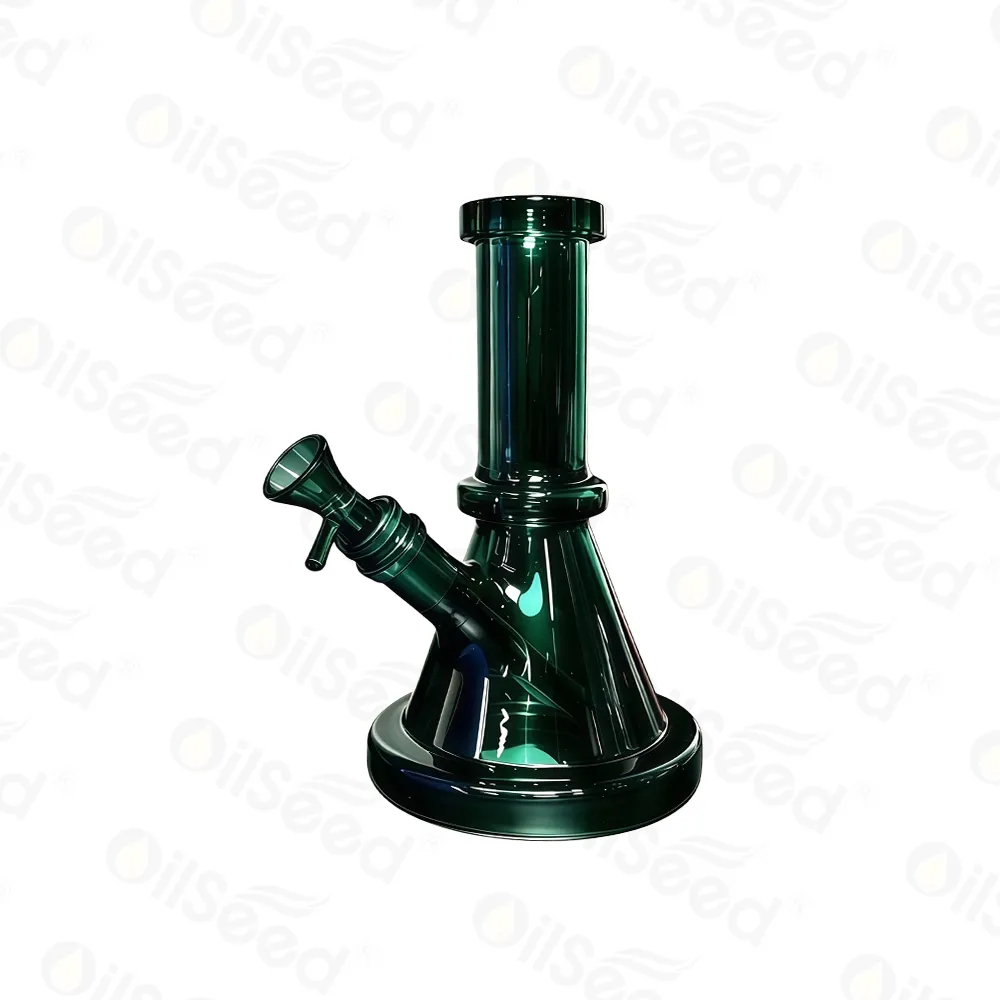
Businesses sourcing through glass pipe wholesale programs increasingly understand that customers are purchasing visual identity as much as physical products.
The result is a marketplace where thoughtful design contributes directly to perceived value.
Rather than asking whether a product functions well, customers increasingly ask whether it reflects who they are.
Retail Stores Are Becoming Lifestyle Destinations
Modern smoke shops are evolving beyond traditional retail environments.
Many successful businesses now focus on creating spaces where customers feel comfortable exploring products, learning about new collections, and discovering brands they have never encountered before.
Lighting, interior design, product arrangement, and educational displays all contribute to this atmosphere.
Customers who enjoy spending time inside a store are naturally more likely to return, recommend the business to friends, and develop long-term loyalty.
Retail is gradually becoming hospitality.

Wholesale Relationships Are Becoming Collaborative
In previous years, wholesalers and retailers often interacted only when purchase orders were placed.
Today, many businesses work together throughout the entire product lifecycle.
Suppliers share information about upcoming collections, retailers provide customer feedback, and both sides collaborate on inventory planning and product development.
This collaborative approach produces stronger product selections while reducing unnecessary inventory risks.
Instead of transactional relationships, the industry is increasingly built upon ongoing partnerships.
Smaller Collections Can Create Stronger Impact
The assumption that larger inventories automatically generate higher sales is gradually disappearing.
Many retailers have discovered that carefully selected collections often outperform overwhelming product assortments.
Curated inventory simplifies purchasing decisions and allows each product to receive greater attention.
Customers spend less time searching and more time appreciating product details.
Quality of presentation has become more influential than quantity of products.
The Future Belongs to Adaptable Businesses
Markets continue to change rapidly.
Consumer expectations evolve, product trends shift, and retail technologies improve every year.
Businesses that succeed are rarely those that predict every trend perfectly. Instead, they are the companies willing to observe, learn, and adapt.
Flexibility has become one of the industry’s greatest competitive advantages.
Retailers capable of adjusting product selections, improving customer experiences, and embracing innovation are generally more resilient during changing market conditions.
Wholesale Is Becoming Increasingly Brand-Oriented
Wholesale purchasing once focused almost entirely on manufacturing capability.
Today, retailers also evaluate branding.
They ask questions such as:
- Does this supplier present products professionally?
- Are product collections visually consistent?
- Is packaging aligned with premium retail standards?
- Does the supplier communicate a clear identity?
Brand perception now influences purchasing decisions throughout the supply chain, not only among end consumers.
Strong branding creates confidence before customers even interact with a product.
Digital Content Is Extending the Retail Experience
The customer journey no longer begins inside the store.
It often starts with an online article, a search engine result, a product video, or a social media recommendation.
Every piece of educational content contributes to customer understanding before a purchase takes place.
For this reason, many businesses now invest in blogs, buying guides, educational resources, and product showcases alongside traditional retail operations.
Content has become an extension of customer service.
Looking Beyond Today’s Market
The future of wholesale bongs USA and the broader smoking accessories industry will likely be shaped by businesses that understand people rather than simply products.
Customers are increasingly drawn toward authenticity, consistency, thoughtful design, and meaningful experiences.
Manufacturers will continue refining production quality.
Retailers will continue improving customer engagement.
Brands will continue searching for ways to build stronger emotional connections with their audiences.
The businesses that successfully combine these elements will remain competitive regardless of changing market conditions.
Conclusion
The future of smoking accessories wholesale is no longer defined solely by production capacity or product pricing. It is increasingly influenced by experience, design, education, branding, and long-term relationships.
Whether expanding premium collections through glass pipe wholesale, responding to changing demand in the wholesale bongs USA market, or building stronger retail partnerships, businesses that focus on creating value beyond the product itself will be better positioned for sustainable growth.
As the industry continues to mature, the companies that thrive will be those that understand an important reality: customers may purchase products, but they remember experiences.